
The question, in the buyer's words
I own a 60-room motel with mostly late-night checkouts and early housekeeping, and I'm not sure a robot is the right answer for a place like mine; which robot type should I look at first?
Key takeaways
- For a 60-room motel, start by testing a floor scrubber for lobby and corridors, not a room-cleaning robot.
- Housekeeping carries the highest injury risk, yet none of the robot types we reviewed takes over room cleaning.
- Delivery robots fit only if guests order enough items to keep one busy on a typical night.
- Measure your own room turn times and floor hours before you look at any lease quote.
- The site assessment is free, and the lease quote follows it.
Which robot type should a motel owner consider first?
A motel owner with 60 rooms, late checkouts and early housekeeping should start with an autonomous floor scrubber for the lobby, the breakfast room and the guest room corridors. That is the first robot type to consider because the floor work runs through the night and the early morning, and a scrubber can run those passes on a mapped route without an operator in the room. It is a floor machine, though. It does not clean guest rooms, and a motel owner should not expect it to.
The honest answer is that no robot type we would recommend for a motel makes beds, cleans bathrooms or restocks rooms across the property. Those tasks carry much of the labor and injury risk, so the crew stays on rooms. What a floor scrubber does is take the repetitive hallway and lobby passes off the crew's list, so people spend their hours on the rooms that guests see and the rooms that must turn over before check-in.
Why is housekeeping the hardest job to automate at a motel?
Housekeeping is where the injury data concentrates. In a 2010 analysis of OSHA 300 logs from five unionized hotel companies, published in the American Journal of Industrial Medicine by Buchanan and colleagues, housekeepers had 7.9 injuries per 100 worker-years, compared with 5.2 per 100 worker-years overall for hotel workers. The housekeeper musculoskeletal disorder rate in the same study was 3.2 per 100. The paper also notes that the Bureau of Labor Statistics does not publish injury rates for single occupations, which is why it relied on company logs.
A Cal/OSHA presentation places maids and housekeeping cleaners among the first 10 of nearly 800 BLS-tracked occupations for injuries with days away, restricted work, or job transfer. The presentation does not state its year, so treat the ranking as a directional signal rather than a current measure. Both sources point the same way: the room work is where the strain is, and a fix that only reduces floor passes leaves the most exposed task largely untouched.
For your decision, judge any robot type by the hours it removes from the whole shift, not by how advanced it looks. A floor scrubber earns its place only if the floor hours it removes are real and recurring.
How much housekeeping time can a robot take off a motel shift?
Room time sets the size of the problem. According to a time-and-motion study reported by CleanLink, a departure room takes about 43 minutes on average, nearly 20 minutes longer than a stayover room. Smartness, a vendor glossary, gives a narrower range of 15 to 20 minutes for a stayover and 30 to 45 minutes for a departure. Vendor figures and study figures do not match exactly, so measure your own rooms over a week before you treat any number as your baseline.
Late checkouts push departure cleaning into the morning, and early housekeeping means the corridors are already busy with carts. A floor scrubber can work the lobby and corridors while staff are inside rooms, which is the overlap that matters. The gain is the floor time the crew no longer spends on those passes.
Be clear about the gap. A robot covers corridor and lobby floors, not the 43 minutes spent inside a departure room. None of the sources we reviewed gives a published corridor cleaning time for a motel, so that figure must come from measurement at your property during the site assessment.
Which other robot types fit a motel, and which do not?
Delivery robots are the second type to check. A hospitality market explainer reports that over 3,500 hotels globally began using delivery robots in 2023, and that delivery robots accounted for about 40% of total hospitality robotics revenue in 2025. The 40% is a revenue share, not a share of hotels, and neither figure is specific to motels. A delivery unit earns its keep on repeated stops, so the question for a 60-room property is whether guests order enough amenities, ice or room service to keep one busy. If they do not, the unit sits idle.
Housekeeping robots that clean bathrooms or make beds did not appear in any source we reviewed at motel scale, so we do not recommend them for this property. Security patrol robots are a different job. They watch and report rather than clean, and they address theft or after-hours access, not turnover. They belong in a later conversation, after the floor and delivery questions are settled.
The realistic category for a motel is the floor cleaning robot for shared areas. Delivery is a conditional second look. Everything else waits.
Where would a floor scrubber actually work in a 60-room motel?
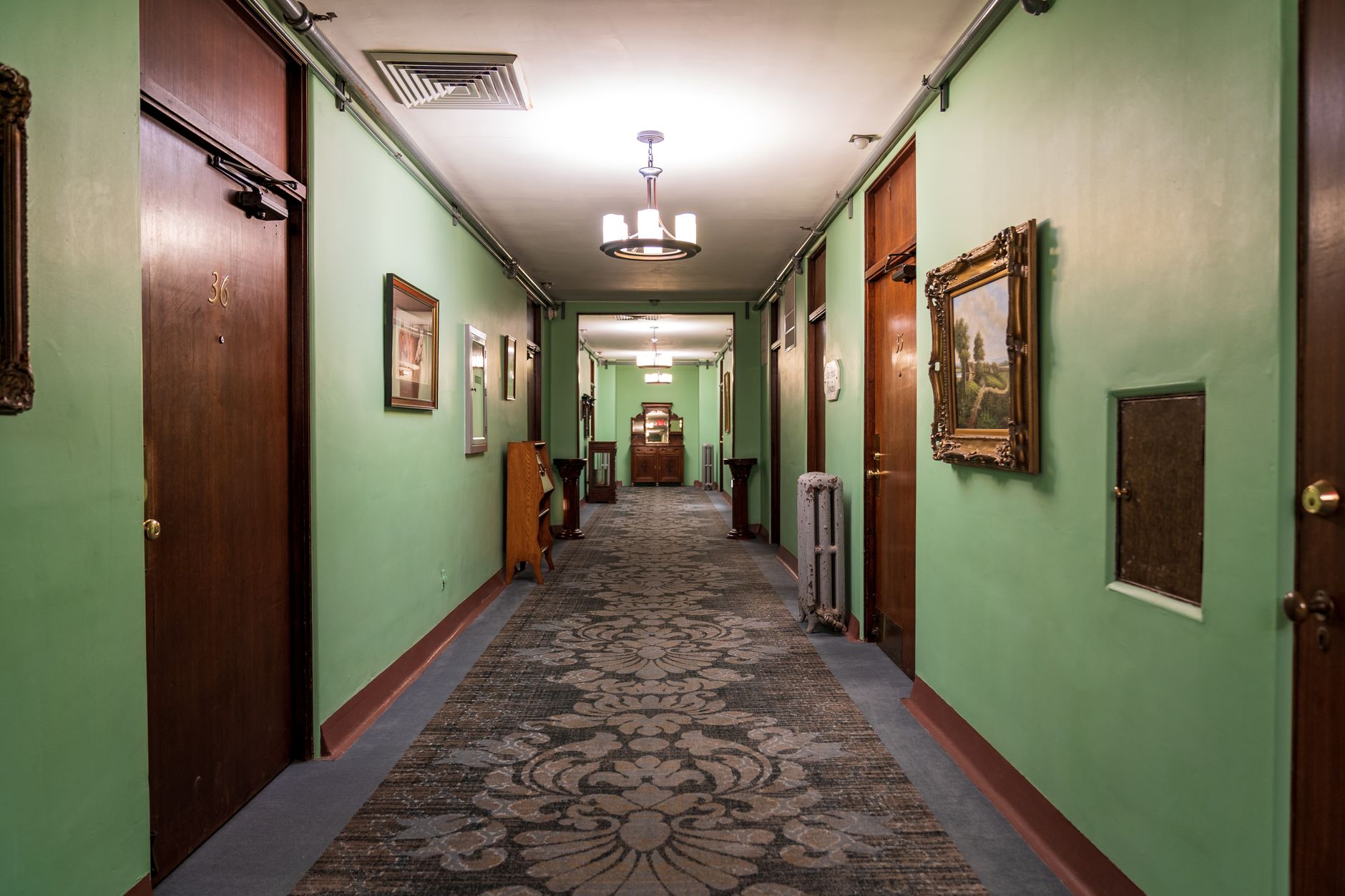
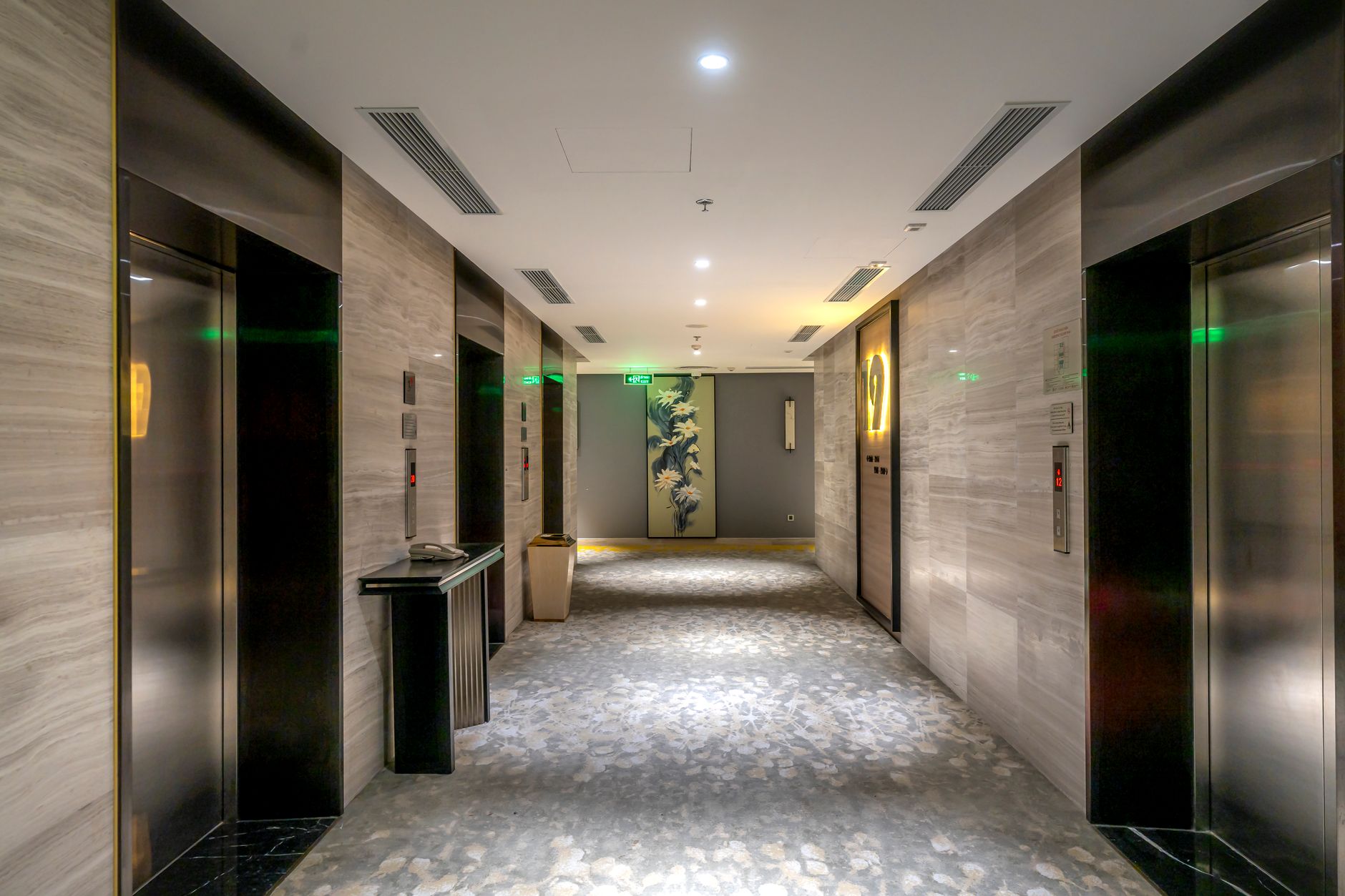
A floor scrubber works best on hard or sealed floors along open, mappable routes. In a motel, that usually means the lobby, the breakfast room and the ground floor corridors that lead to guest rooms. Carpeted corridors and worn thresholds change what a scrubber can do, so they are a question for the site assessment and not an assumption made at the desk.
Stairs, elevator landings and the laundry room need separate treatment. A scrubber follows a mapped route, so tight turns, loose cords, stored linen carts and door swings must be cleared or planned around before the unit runs. Work the route out with the night manager, because the most common failure on a new route is a cart left in the path.
The zones below show where the work sits in a typical motel layout and what a site visit would check in each one.
What does staffing pressure mean for a small motel?
Staffing is the pressure behind the question. According to an AHLA and Hireology survey conducted December 2024 to January 2025, as reported by Hospitality Net, the share of hotels calling themselves 'severely understaffed' fell to 9%. That is an improvement, but it does not mean a small property can always fill every early housekeeping shift. Hotels of different sizes feel the squeeze differently, and a motel with a thin night crew feels it sharply.
Turnover figures for housekeeping specifically vary across the sources we checked, and some of the figures circulating online could not be confirmed against the original survey. Use your own records instead. Count how many early housekeeping shifts went unfilled last quarter, and how many floor passes slipped as a result. Those two numbers tell you more than any national average.
A robot does not fill a shift. What it can do is reduce the floor hours a crew must cover, which may let a short team complete rooms first on a busy morning. Plan staffing around the rooms, and treat the robot as the way to protect that plan.
What should a motel owner check before requesting a lease quote?
Before you request a quote, gather the facts the quote depends on. Most of them come from your own property and your own records, not from national figures. The list below covers what a site visit will need to confirm.
We run the site assessment at no charge, and the lease quote follows it. Lease payments are set in that quote, through financing, and cover deployment, training and our service plan. We usually suggest starting with one leased unit, so you can measure real floor hours before committing to more.
- Room turn times for stayover and departure rooms, measured over a full week rather than one busy day.
- Hard floor areas from the lobby to the rear corridors, with carpet, thresholds and obstacles marked.
- The number of late checkouts and early housekeeping starts on a typical night.
- How often guests request amenities, ice or room service, which decides whether a delivery unit has work.
- Who on the night staff will handle scheduled runs, alarms, charging and the unit's stop logs.
How does getting a floor robot work with us?
We are an OEM-neutral integrator for US businesses. We select the right robot across manufacturers for your floor, lease it through financing, deploy and integrate it, train your staff and service every unit under our service plan. Regional service engineers cover every state we service, so the same partner handles the site assessment, the lease, the go-live and the repairs.
The first step is the free site assessment, where we map the floor layout and measure the hours involved. The quote for the lease follows that assessment. If the numbers do not justify a robot at this property, the assessment will say so, and you will not owe anything for that answer.
Frequently asked questions
Upcoming hotels & hospitality events
- MeetupMPI Virginia Morning Brew Meet-Up, November 2026Nov 10, 2026Hampton, VA
- SummitVA1 Governor's Tourism Summit 2026Nov 18 to 20, 2026Kalahari Resorts & Conventions, Spotsylvania, VA
- ConferenceVirginia Association of Fairs ConventionJan 14 to 17, 2027Williamsburg Lodge, Autograph Collection, Williamsburg, VA
- ConferenceIHLA Convention and Exposition, 2027Feb 8 to 10, 2027Indianapolis, IN
Want a robot at your motel guest room corridors?
Tell us about your site. We will recommend the robot, quote the lease, and keep it serviced.
Sources
- Buchanan et al., American Journal of Industrial Medicine (2010), via PubMed
- U.S. Bureau of Labor Statistics, Maids and Housekeeping Cleaners occupational factsheet
- Cal/OSHA presentation (DrNKrauseppt.pdf)
- Hospitality Net, AHLA and Hireology staffing survey report
- CleanLink, time-and-motion study coverage
- Hospitality Net, hotel robots market explainer
- Statista, number of hotel and motel industry businesses in the US (citing IBISWorld)
- Smartness, average cleaning time per room glossary