
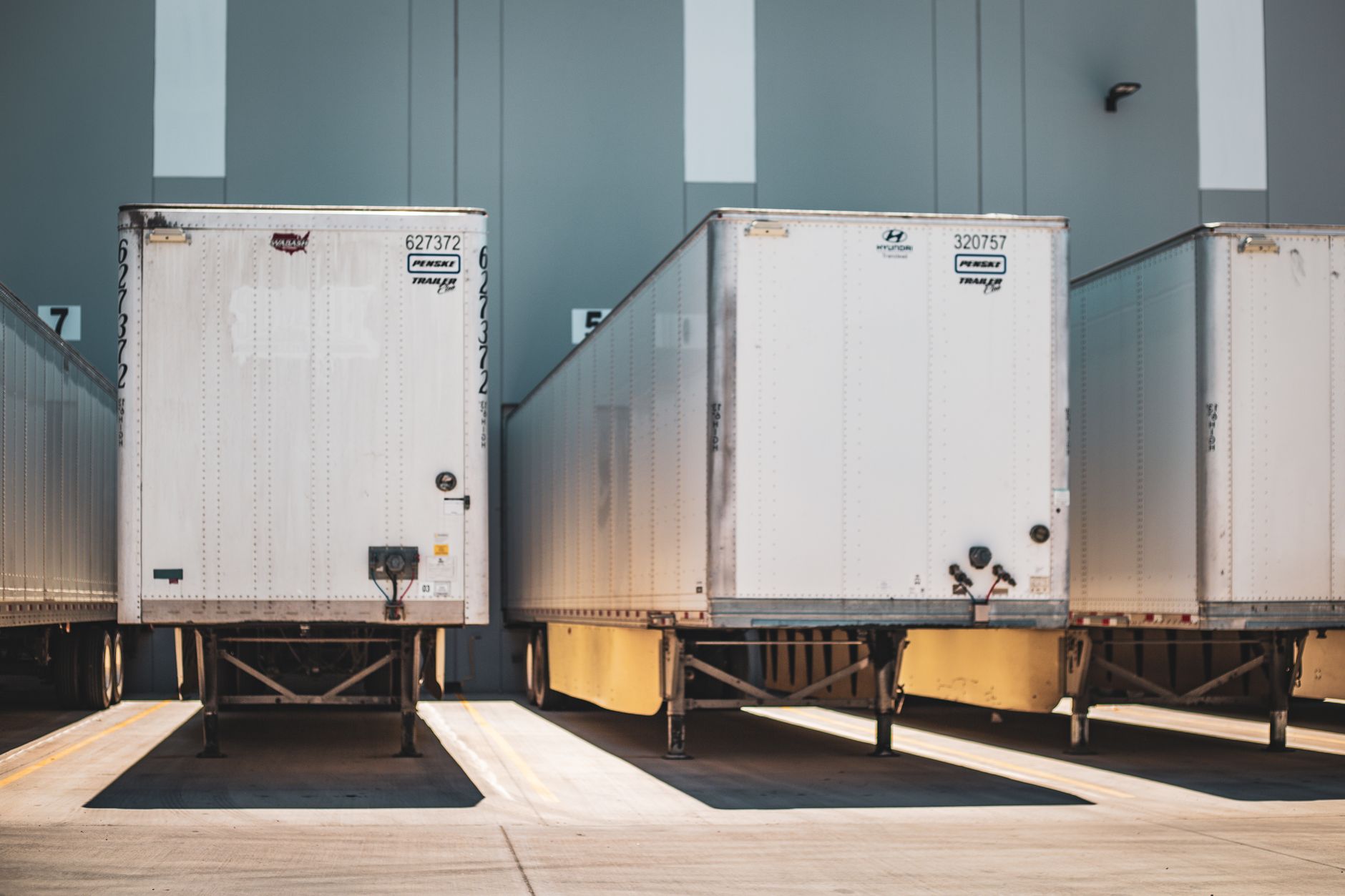
The question, in the buyer's words
I run a 70,000-square-foot beauty-supply distributor, and two receiving clerks keep carrying cases from the dock to reserve racks by hand; which robot type fits that work, or is my building too small for one?
Key takeaways
- The dock-to-rack carry is the leg a mobile robot can take, when cases already sit in carts, totes or pallets.
- High reserve-rack put-away, damaged cases and mixed loads still need a person in most setups.
- Floor area alone rarely rules out robots, so check clear height, column spacing, floor condition and door count.
- Carrying cases by hand carries the exposure: warehousing and storage recorded 4.8 total recordable cases per 100 full-time workers in 2024.
- Start with a free site assessment, then a lease quote, before choosing a machine type.
Which robot type fits a beauty supply dock and reserve racks?
A beauty supply distributor's receiving work is not one task, so the answer depends on which part you mean. Your two clerks do four things: unload cases at the dock, stage them, carry them to the reserve racks, and put each case into its slot. Each step asks something different of a machine, so no single robot covers all four.
The horizontal legs, from dock to staging and from staging to the rack aisle, are the ones a mobile robot can take. The vertical leg, placing a case into an upper reserve slot, is where a person, a lift or a fixed system is still needed in most builds. Unloading depends on how each trailer arrives and whether the cases come palletized or loose.
So the honest short answer is a mobile robot for the carrying, not a robot that runs the whole receiving flow alone. This page focuses on the carry because it repeats on every shift and is the part of the flow your clerks do by hand all day. Other machine types can fit narrower parts of the work, and later sections explain which and why.
Is a 70,000 square foot beauty supply building too small for a robot?
Probably not on floor area alone. Beauty-industry sites in trade press range widely, from a regional distributor at 48,000 square feet with a 24-foot clear ceiling to a beauty retailer's Dallas distribution center at 760,000 square feet with 46 dock doors. Your 70,000 square feet sits between those two, so the size of the building is not the test.
The route and the racks matter more than the total area. A mobile robot needs a mapped path, clear aisles, reachable dock doors and rack ends it can see. A long, narrow building with one dock door and full-height reserve racks can be a harder fit than a squarer building with open staging bays.
Check clear height, column spacing, floor flatness and door count before you accept either answer. Those four measures decide whether a pallet machine can operate at all, and the site assessment is where they get measured rather than estimated from square footage.
Trailer variation matters too. If each truck arrives with a mix of cases and pallets that changes, the route will shift from one delivery to the next, which is harder for a mobile robot to follow than a fixed, repeated run.
How much strain does carrying cases by hand put on the crew?
Hand carrying is where the injury exposure sits in this job. Warehousing and storage (NAICS 493) recorded 4.8 total recordable cases per 100 full-time workers in 2024, with a DART rate of 4.1 and 1.5 days-away cases, according to the Bureau of Labor Statistics industry page. Those are whole-industry figures, so they show the exposure rather than your site's record.
Back injuries are the pattern to watch in manual handling. The NIH back safety page cites a Bureau of Labor Statistics figure of 212,080 back-injury cases in 2013, and says OSHA attributes most compensable injuries to manual handling, with lower-back involvement in four of five. The figures are dated, but they describe the same exposure your clerks face each shift.
The closest match we found is a NIOSH study of grocery warehouse order selectors, run between 1987 and 1992. It reported that back injuries were 17 to 39 percent of order-selector injuries and illnesses, and that 63 percent of full-time selectors at one warehouse reported at least one recordable injury in 12 months, with 47 percent reporting a back injury. All sampled lifting tasks exceeded the recommended weight limit.
For the owner, the practical point is that the carry is the repeated, load-bearing task, and the exposure builds there. Reducing the trips a person makes with a case in hand reduces that exposure. Ask your safety lead for your own recordable rate and recent back-injury claims before you decide, since your site record matters more than any industry figure.
Which robot types fit the carry, the pallet and the rack?
An autonomous mobile robot is the type to look at first for carrying. These machines move carts, totes or shelving along mapped routes, so they suit cases already loaded into containers. The robot takes the container from the dock to staging and back, and a person stays at the rack to place each case in its slot.
An autonomous forklift fits palletized loads. It needs aisles, floor and dock space that let a pallet machine operate, and it brings its own safety plan for the aisles it shares with people. Mixed beauty products on one pallet can make pallet-level automation harder than a simple tote run.
A tug or cart-pulling robot is a fourth option worth a look. It pulls a train of wheeled carts along a set route, which suits loads already sitting on carts. It does not lift, so the rack put-away still falls to a person.
A collaborative robot arm, or cobot, fits a fixed station that repeats one motion, such as stacking identical cases on a pallet at one spot. It is a weak match for a receiving floor where case sizes and product mix change from day to day. Cleaning robots and floor scrubbers do not move cases, so they fall outside this answer.
Let the arrival format pick the type. Count how many cases arrive loose, in cartons, on pallets or in totes, then match the route to that mix before you talk to anyone about machines.
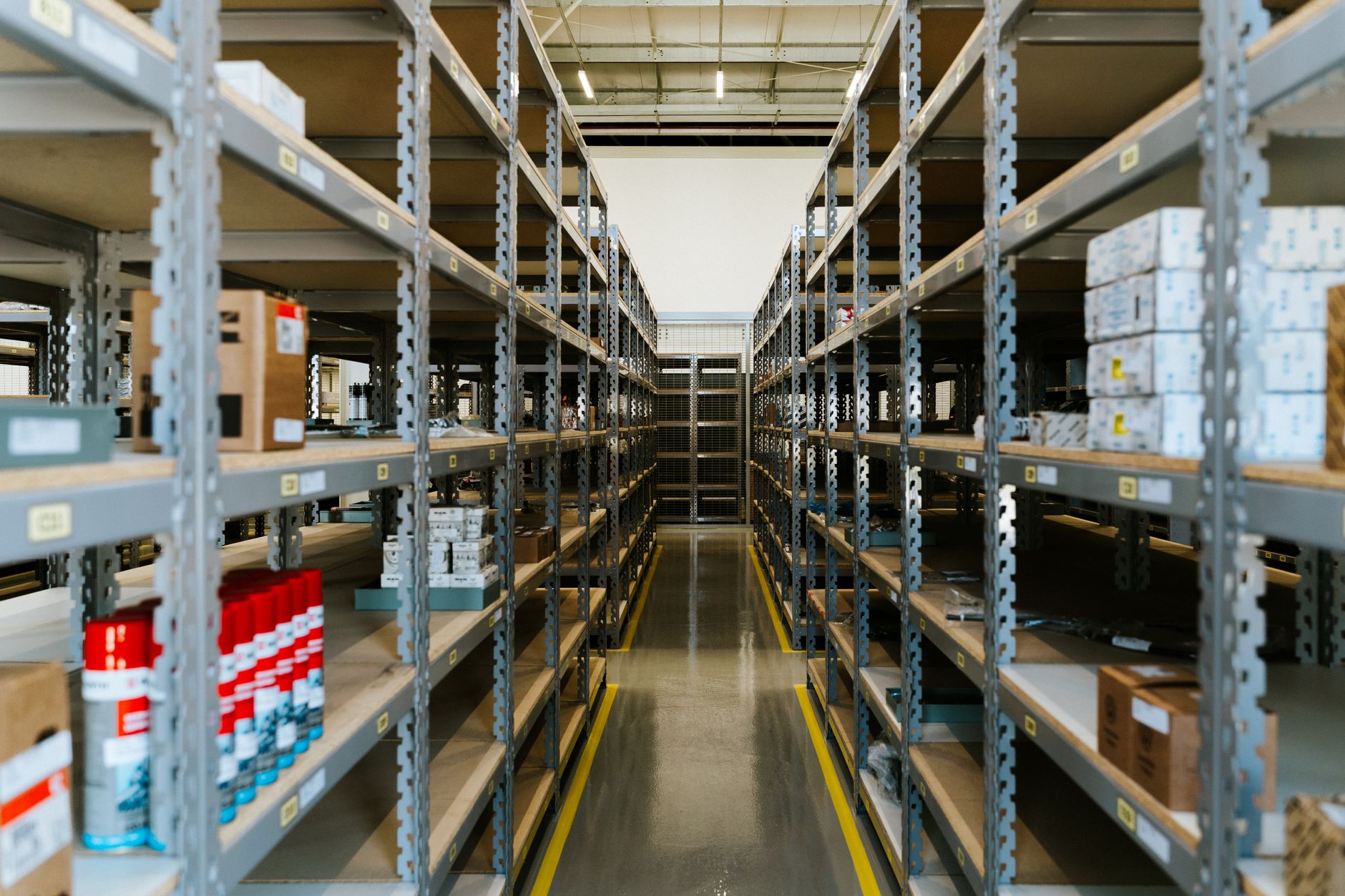
Where does a person still beat a robot in receiving?
A person wins on judgment and exceptions. A clerk spots a crushed carton, a wrong item or a case that belongs in another aisle, and decides in seconds what to do. A mobile robot follows its route and stops for obstacles, but it does not judge product damage, so exception handling stays with staff.
A person also wins at high put-away. Placing a case into an upper reserve slot takes reach, a lift and a label check, and many robot setups still leave that step to a person or a separate lift. Plan for that, rather than expecting one machine to replace the whole rack put-away.
Robots win on steady carrying along the same route. A two-clerk team that spends much of its time on the dock-to-rack carry gains the most when a robot takes that leg, because the clerks move to rack and exception work. That is the fit to test on your own floor before any commitment.
Shift coverage is the other factor. A mapped route runs the same way on every shift, while two clerks have breaks, absences and holidays, and each absence leaves a carry gap. That is a scheduling reason, not a headcount reason, and it is worth writing down before you set a target.
- Dock-to-staging carry
Robot
Follows a mapped route the same way on each trip and stops for obstacles
Staff
Adjusts the route on the spot and handles odd-sized loads by hand
- Upper reserve-rack put-away
Robot
Usually needs a lift or fixed system beside it, so one machine rarely covers the whole task
Staff
Reaches, lifts and checks the label in one motion, using a lift or ladder
- Damaged or wrong cases
Robot
Stops and waits for a person, since it does not judge product damage
Staff
Spots the damage or wrong item and decides what to do
- Body load over a shift
Robot
Takes no body load on the carry leg once a container is loaded
Staff
Strain builds over a shift, which is the exposure described above
- Changes to layout or routes
Robot
Needs remapping and route work when racks or doors move
Staff
Adapts to a moved rack or door the same day, with no remapping
How common are warehouse robots, and what do the surveys show?
Adoption is real but uneven. A 2025 automation survey, reported in a trade write-up, put robotics adoption at 48 percent, and named return on investment as the primary barrier, according to that write-up. Because the write-up is secondary reporting, treat the figure as a signal rather than a precise count.
A second trade report on a warehouse automation survey found that more than 70 percent have adopted or plan to adopt autonomous mobile robots or automated guided vehicles, and 21 percent are using self-driving forklifts. Those figures mix installs and plans, so read them as interest as much as proof of results.
An earlier poll, of unclear date, reported that over 70 percent of warehouses polled were not yet using robots. Taken together, the figures say many sites are still deciding, which makes a small, measured first route a sensible way in.
Return on investment is the barrier to plan around. A first route with a measured count of trips, minutes and exceptions gives the owner evidence for the lease quote, and it is the cleanest way to make the case internally.
How many sites like this exist in the US, and how big are they?
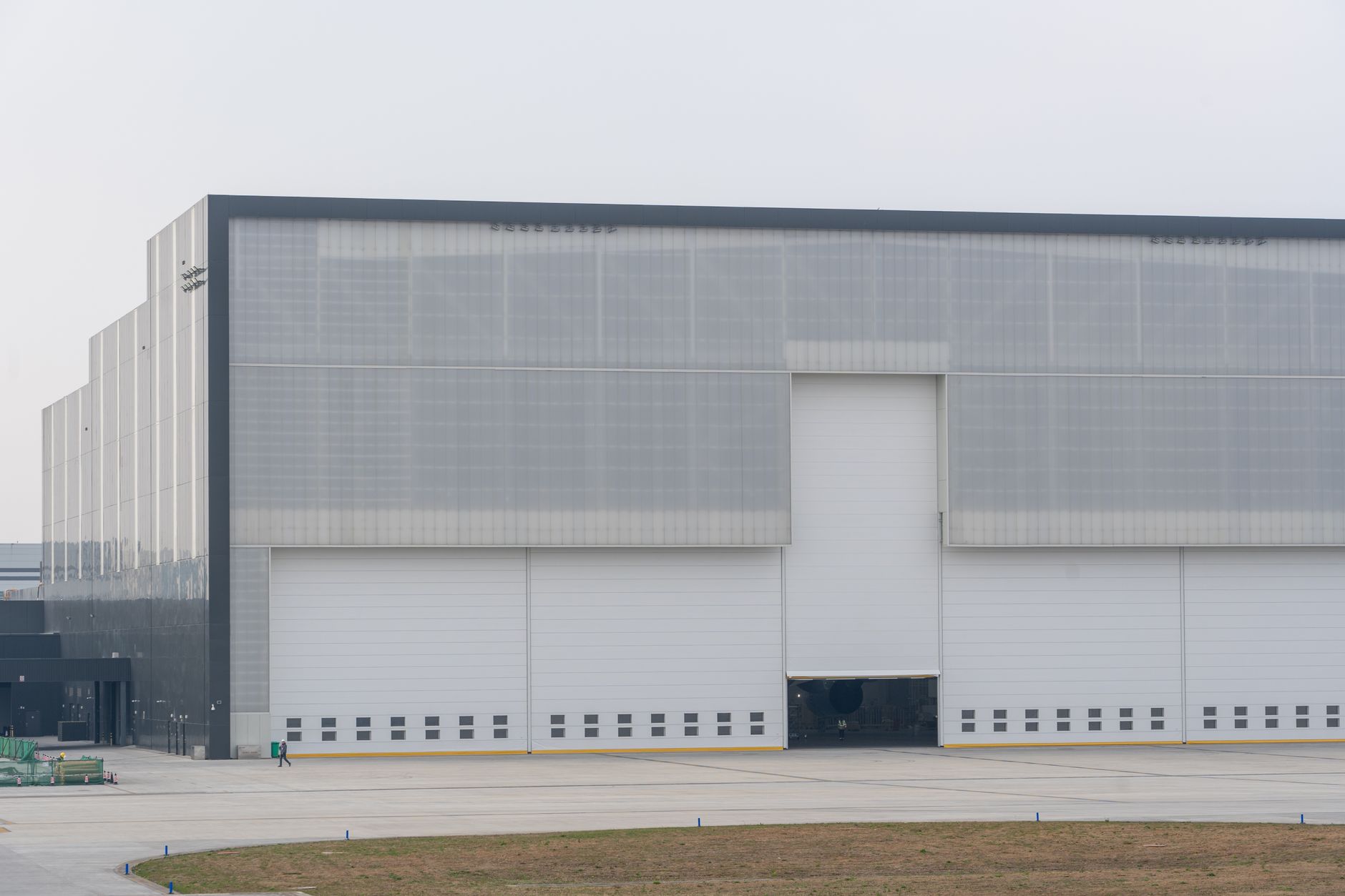
No count of beauty supply distributors turned up in our research, so no reliable number of such sites in the US can be given. The closest published figure covers the broader warehousing class. A third-party NAICS listing reports 30,714 US business entities under NAICS 493, of which 18,983 are general warehousing, though that listing does not state how it was counted.
The class count shows the sector is large, not how many sites match yours. For planning, count your own dock doors, reserve rack bays and trips per shift, since those describe your work better than any regional total. A figure for your own site is more useful for a quote than a sector figure, because your route, not the national count, decides the lease.
Most of the beauty-industry buildings reported in trade press are larger than yours, so ask any vendor for a reference site near your own size. A reference in a building of similar door count and rack layout tells you more than a headline square footage.
How do you get a robot leased, and what should you check first?
Start with a free site assessment. We map the dock, staging area and rack aisles, measure clear height and door count, check floor condition and routes, and recommend the robot type that fits how your cases arrive. The lease payment comes in a quote after that assessment, not before it.
Robots are leased through financing, so the decision rests on a lease quote rather than a large up-front outlay. We deploy and integrate the units with your receiving routines, train the clerks on handoffs and stops, and service every unit under our service plan through regional service engineers in each state we serve.
We are OEM-neutral, so we choose across manufacturers for your site instead of tying you to one vendor. You get one partner for the full lifecycle, from the first walk through the building to the day a unit needs service.
What a lease does not change is the clerks' work. They still own exceptions, damage checks and rack put-away, so read any quote against what the robot takes off their shift rather than against a headcount target.
Before any call, gather three answers: how cases arrive, your rack heights and door count, and how many dock-to-rack trips your clerks make per shift. Those answers settle most of the fit question, and the assessment checks the rest.
Frequently asked questions
Upcoming warehouses & 3pl events
Want a robot at your distributor receiving docks and reserve racks?
Tell us about your site. We will recommend the robot, quote the lease, and keep it serviced.
Sources
- Bureau of Labor Statistics, warehousing and storage injury and illness rates (NAICS 493)
- NIH back safety page citing Bureau of Labor Statistics and OSHA figures
- NIOSH grocery warehouse order selector study summary (1987 to 1992)
- Third-party NAICS 493 establishment listing
- Trade press report on a beauty distribution center in Dallas
- Trade report on a regional beauty distributor in St. Louis
- Trade press report on a warehouse automation adoption survey
- Trade write-up of a 2025 warehouse automation survey