
The question, in the buyer's words
I run a 180-kid summer camp on a lake in Greenville, SC where counselors spend every free hour mowing the beach strip and cabin paths; could robotic mowers take those lawns around docks and campfire rings?
Key takeaways
- Robotic mowers fit open lawns and cabin paths far better than dock approaches or fire ring margins.
- Slope and wet ground decide the answer more than lawn size, and Greenville July rain is the hard test.
- Lake edges need fixed barriers and staff checks, not a boundary left to chance.
- Most mower injury data describes riding machines, so ask how the robot removes that exposure and how it stops near children.
- Start with one leased unit on the cleanest lawn, then measure staff time returned before expanding.
Can robotic mowers work around docks and fire rings at a Greenville lakeside camp?
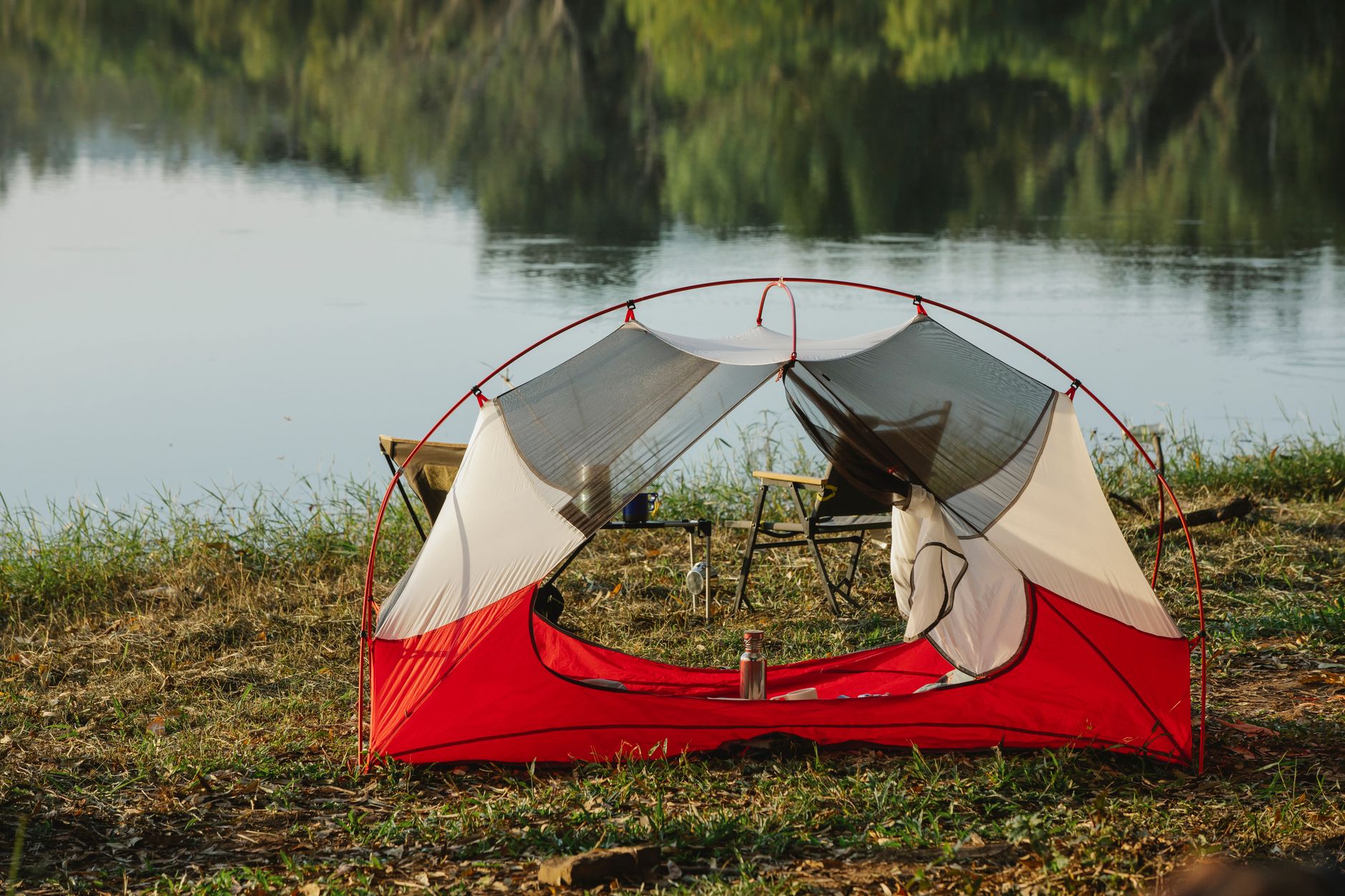
Yes for part of the grounds, and no for the edges that matter most at a lake. A robotic mower repeats the same pass well over a flat, open, clearly bounded lawn, which describes much of a summer camp's central field and the paths between cabins. It is a poor fit for the dock approach, the grass ring around a fire pit, the margin of a beach strip and any bank that drops toward the water.
Counselors are right to want the machine. Mowing is repetitive, it happens in heat, and it takes free time that counselors need for campers. The real question for a Greenville site is which parts of the grounds the robot can cover unattended, and which parts still need a person with a trimmer and a plan for the water's edge.
The sections below cover the local facts that matter, what national camp figures say about the sector, what labor and safety figures can and cannot tell you, and what a pilot looks like. Where I could not verify a local figure, I say so rather than fill the gap.
What do Greenville weather and nearby lakes mean for mowing?
Greenville is wet. A third-party climate site puts average annual precipitation at about 50 to 51 inches and says July is usually the wettest month. A second climate history lists about 1,356 millimeters, or about 53 inches, with July again the wettest, but neither is an official National Weather Service normal, and I did not confirm the official figures.
The wet season is the real test for a robot mower. Manufacturer guidance says slip risk is greatest on damp ground, and a camp running sessions through July will have grass that is soft or slick in the same weeks it needs the most cutting. Schedule the trial for July, not a dry week in May, so the worst case shows up early.
The lakes near Greenville differ a lot. Lake Robinson is an 800-acre reservoir in northern Greenville County, run by a public works commission, with a boat ramp and two fishing piers. Swimming is not allowed there, so any beach strip on that water is for access, not for campers in the water. I found no published description of a camp on Lake Robinson or Lake Keowee, so your shoreline, slopes and rules need measuring on site, not assuming.
I did not verify Greenville County noise rules, mowing hour limits or local staffing figures for camps. Check those with the county and your insurer before you set a schedule.

How many summer camps and camp workers are there in the US?
The American Camp Association says more than 20,000 year-round and summer camps serve 26 million campers a year, and that the camp industry employs 986,428 workers. Those figures come from 2024 data tied to a University of Michigan study of 2023 data, so they describe the sector as a whole, not any single camp.
An older count is lower. A National Academies report that cites ACA's 2016 Sites, Facilities, & Programs Study lists 14,000 day and overnight camps, including 8,400 overnight camps and 5,600 day camps. The two counts differ in year and definition, so use the newer figure for scale and treat the older split with care.
Why this matters for a robot: a sector this large has many camps facing the same ground problems, lawns between cabins, waterfront edges and fire circles. A setup that works at one lakeside camp is a pattern other directors can copy. I could not find a verified count of lakeside camps in the Greenville area, so I do not give one.
How much grounds work falls on camp staff, and is it hard to staff?
Grounds work is a stable job category. The Bureau of Labor Statistics Occupational Outlook Handbook projects grounds maintenance workers to grow 4 percent from 2024 to 2034, which it describes as about as fast as average. The work will keep needing people, and those people are not getting easier to find for a short summer season.
I did not find a published turnover or separation rate for grounds maintenance workers, and I found no staffing counts for camps in this area. A camp director can measure the numbers that matter: how many hours counselors spend on grass each week, how many of those hours are their free time, and how many staff leave after the first session. Those three numbers tell you more than any national average.
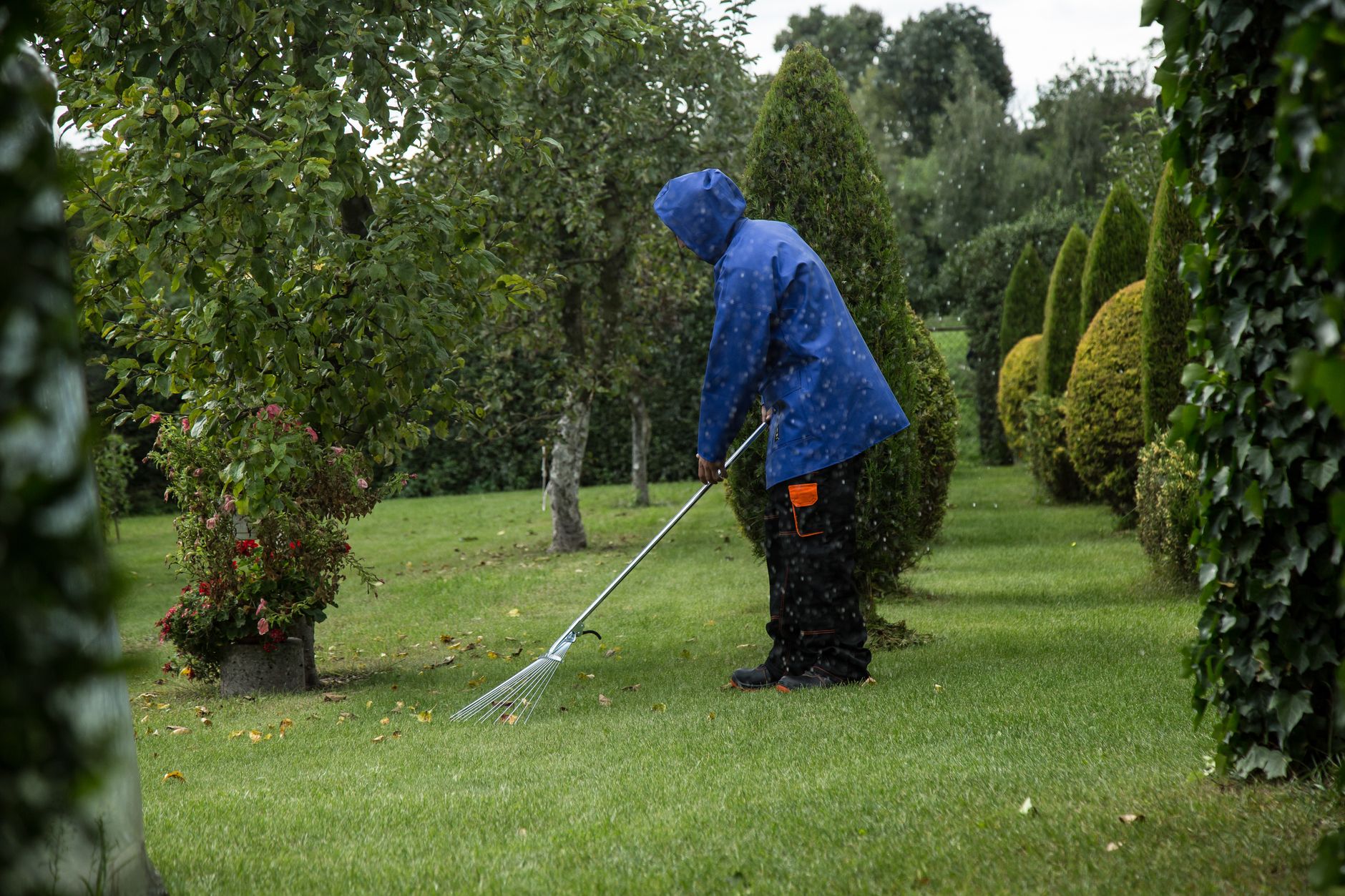
Counselors are not a grounds crew, and that matters. Their training and job descriptions are built for camper supervision and programming, not equipment. Moving the cutting to a machine returns free time to the people hired to be with kids, and it removes a job that was never part of what counselors were hired to do.
Where do robotic mowers struggle near water, slopes and fire rings?
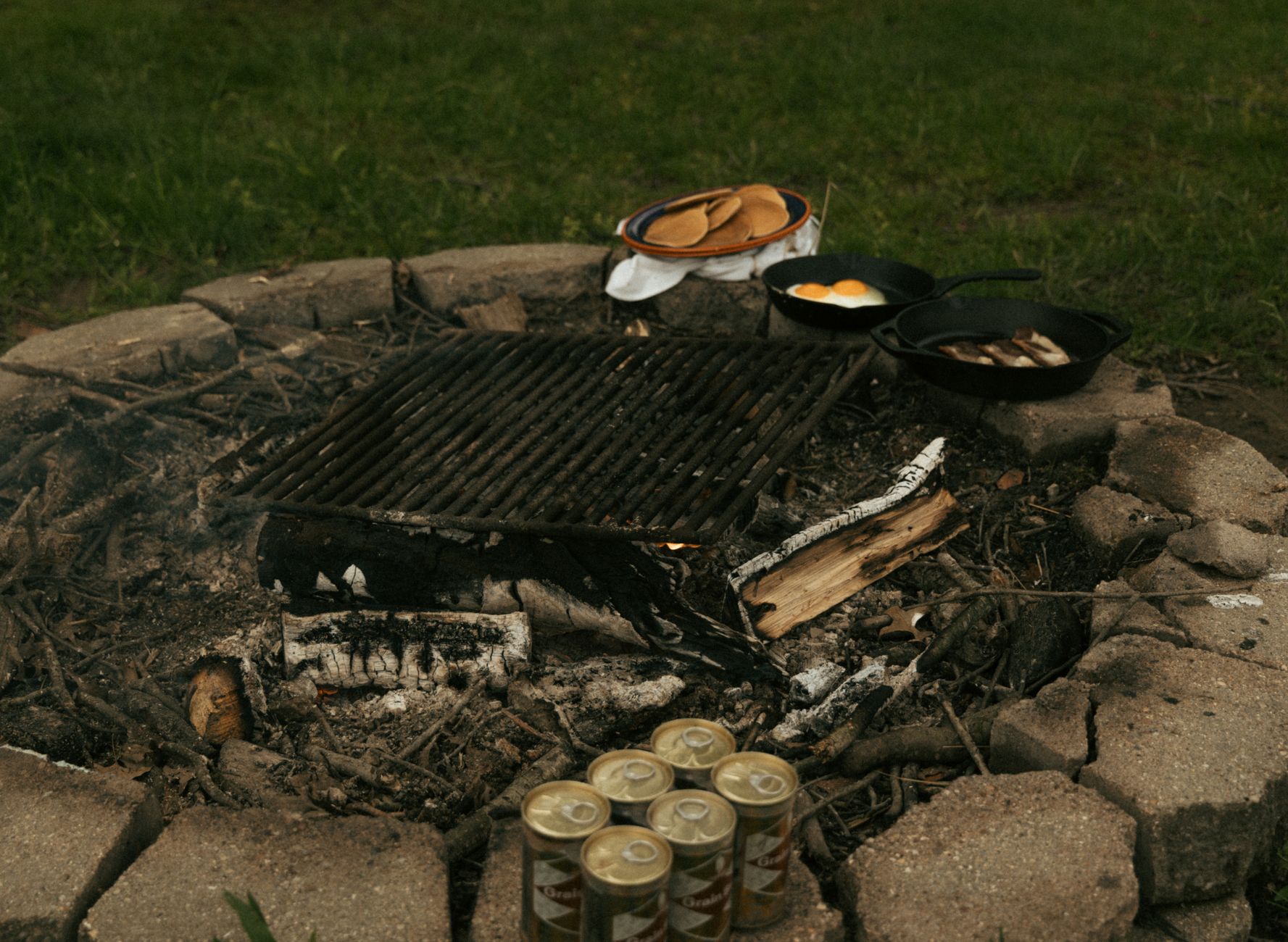
The short answer is edges and slopes. A mower that follows a boundary has to be told where the grass stops, and water, docks, rocks and fire rings are where boundary setup is hardest and mistakes cost the most. A fire ring is a hard object surrounded by grass, and a machine can cut too close to it or leave a ring of uncut grass that a person has to finish anyway.
Slope limits decide the lake bank. Each manufacturer publishes a maximum slope for its mower and sets its own rules for where the boundary can run, so a bank that drops toward the water may sit outside the working range even when the lawn above it is fine. Measure each area on site before assuming the robot can go there, and treat wet grass on any slope as a stop condition.
Docks need their own rule. A dock approach is usually a narrow, often damp strip between the grass and the boards, and it is the place a person should keep the robot from ever reaching. Use physical barriers where you can, a checked boundary elsewhere, and walk the perimeter after every setup change.
Where the robot is the wrong tool: sand margins, any bank steeper than your model's working range, and the grass around fire rings. Those areas keep the string trimmer and the rake, and that is an honest result of a pilot, not a failure of it.
How safe are mowers around a camp full of kids?
The best national mower injury data describes riding mowers, not robots. According to a summary of CPSC-based reporting, about 90 deaths a year were attributed to riding mowers in 2008 to 2010. A study of 2002 to 2007 NEISS emergency department data estimated 68,842 visits for riding lawnmower injuries, about 11,000 a year.
If your camp runs a riding mower or push mower on the big fields, those numbers describe the exposure you are weighing. A robot removes the operator from the seat, but it still moves through a space where campers run, so supervision and a stop rule still apply. For general mower safety habits, Texas A&M AgriLife Extension publishes lawn maintenance safety material.
Ask how the unit stops when a person or a child is close, then test that on your own grounds with staff walking through. A printed claim is a starting point, not evidence that the stop works on your slope, in your grass and near your campers.
What does a robot mowing day look like at a lakeside camp?
A workable day runs around the camp schedule, not around the mower. Early morning is the quiet window when campers are not on the lawns, and evening is the second window while counselors are at programs. Midday is when the grass is hottest and the mower is least needed, so the robot charges then.
Keep a person on the schedule for the first two weeks, watching the robot near the dock and the fire ring and logging every stop with its cause. Those logs show where the boundary holds and where it needs work, and they are the basis for moving from a supervised pilot to a standing schedule.
Build the schedule from the camp's own activity calendar, not a generic plan. Mark any afternoon with swimming, archery or campfire programs on the lawns as a no run period, and confirm that with program staff each week.
Which parts of a camp suit a robot and which still need a person?
Most camp grounds break into zones with different answers. The central lawn is the strongest candidate. Cabin paths work when the path is wide and the boundary is clean. The edges that touch the water and the fire rings should stay with staff until the pilot proves the boundary holds.
The zone list below is a planning view, not a promise. Each zone needs measurement of slope, wet spots, obstacles and the sight lines counselors use to supervise it. A zone that looks simple on a map can have a drain, a root or a dock post that changes the answer.
Treat the first pilot as a test of the boundary as much as of the mower. If one zone holds for a full wet week without a near miss, it earns a place on the schedule. If it does not, move it back to hand work and move on.
What myths about robot mowers should a camp director clear up first?
Most worries about robot mowers are reasonable, but the facts are usually narrower than the fear. The answers depend on the grounds, so the myths below are framed around the decisions a camp director has to make.
The short version: a robot is a repeatable tool with clear limits. It is strongest on the open, measured, dry parts of the camp and weakest on the edges where a camp's most memorable moments happen. Clear those limits up front and the pilot is easier to judge.
How does a robot lease and pilot work for a camp?
The sensible first step is a free site assessment. We walk the grounds, measure slopes and boundaries, mark the water and fire ring edges, and check power and charging locations. From that we quote a fixed robot lease payment, with the lease handled through financing, and we confirm which zones the pilot will cover.
After a lease is signed, we deploy and integrate the unit, train the staff who will supervise it, and service it under a maintenance plan with on-site dispatch and remote triage for faults. That service coverage is what keeps one unit running through a season, and it is the part most often underestimated.
Begin with one unit on the cleanest, flattest lawn, and measure the staff time it returns before adding more. If the boundary holds through a wet July week, the next step is clear. If it does not, the assessment has saved you from a larger mistake.
- Measure slope and wet spots in every zone before the quote.
- Mark water, dock and fire ring edges as no go areas and check them after each setup change.
- Log every stop the robot makes during the first two weeks, with the cause.
- Ask how fast a fault gets a response in your region, and whether a backup unit is available for critical weeks.
Frequently asked questions
Put a robot to work in Greenville.
We walk your site, learn the job, and recommend the unit that fits. Then we quote the lease, deploy it, and keep it serviced.
Sources
- Third-party climate site, Greenville average weather
- Third-party climate history, Greenville SC
- Lake Robinson listing, upcountrysc
- American Camp Association release, PR Newswire
- National Academies report, chapter 11
- Bureau of Labor Statistics, Occupational Outlook Handbook, grounds maintenance workers
- ICW Group summary of CPSC-based riding mower statistics
- Texas A&M AgriLife Extension, lawn maintenance safety