
The question, in the buyer's words
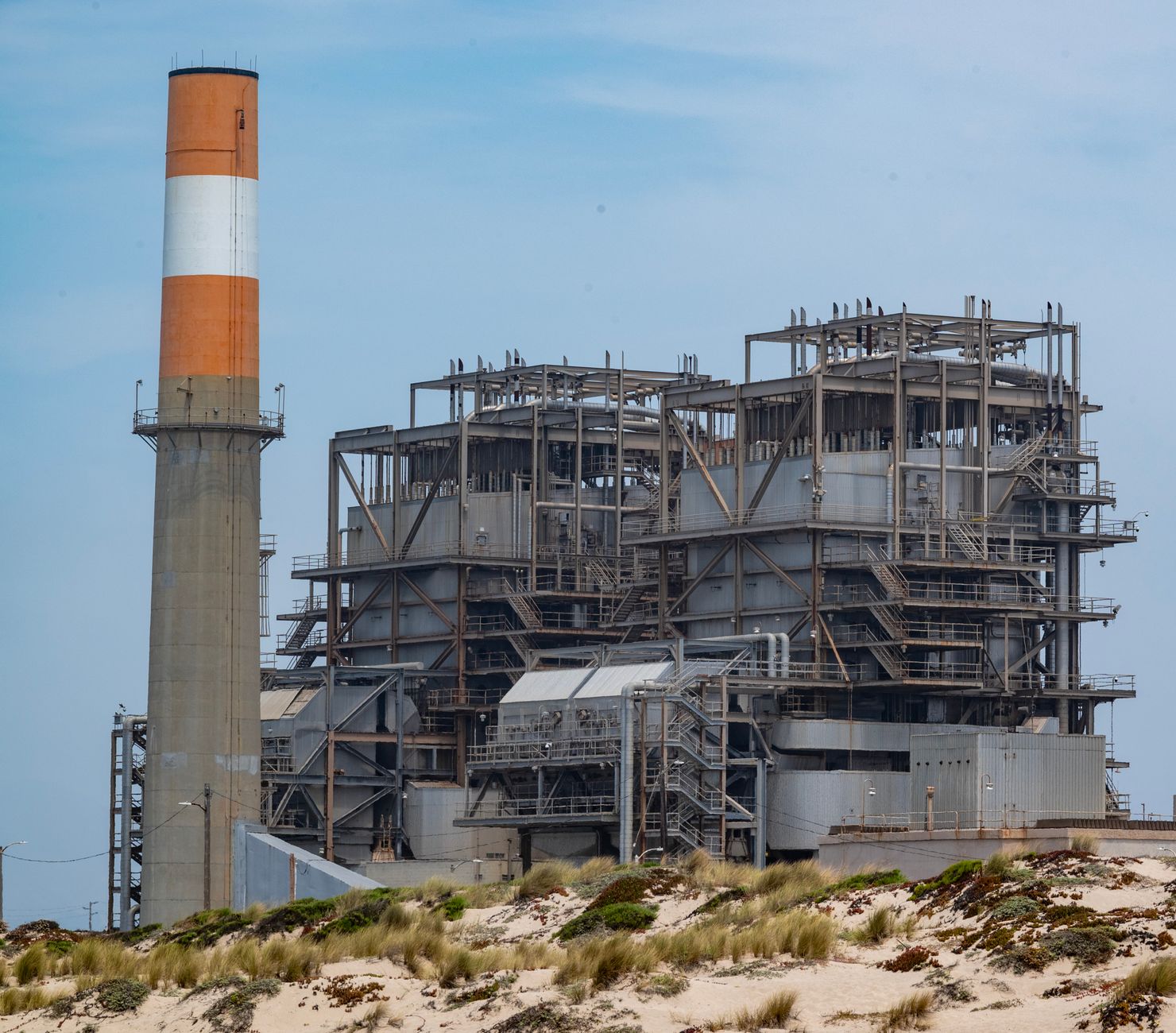
I run a 400-megawatt gas-fired power plant, and our stack and boiler ducts only get climbed during outages; could drones fly the stack exterior and flag cracked insulation or loose steel before the next outage?
Key takeaways
- Drones suit the outside and accessible parts of a gas plant stack and duct system, and they are a screening tool rather than a condition rating.
- A drone cannot see inside the boiler or duct, and it cannot confirm steel wall thickness without a contact payload and a trained operator.
- Each flag still needs a crew to confirm it, so climbs fall but do not disappear.
- Flight rules set the limits: visual line of sight is the default, and beyond that line needs an FAA waiver.
- Trend the images across passes, because a change between checks is more useful than a single snapshot.
Can drone checks spot gas plant stack problems between outages?
If your crews only reach the stack and boiler ducts during outages, the gap between shutdowns is where damage can grow unseen. A gas plant stack drone check gives you a way to look at the outside of that steel and concrete without rigging a climb, and it can be flown while the unit is operating, provided the site rules and the flight rules allow it.
The honest short answer is that drones fit the outside and accessible parts of the system well and the inside poorly. They work as a screening tool. They tell you where to look closely, which matters most when every climb costs crew exposure and a planning slot you can only get during an outage.
The rest of this page covers what a drone can see, what it cannot, what the flight rules require at an operating plant, and how the findings would fit into your outage plan.
How many gas plants would this apply to?
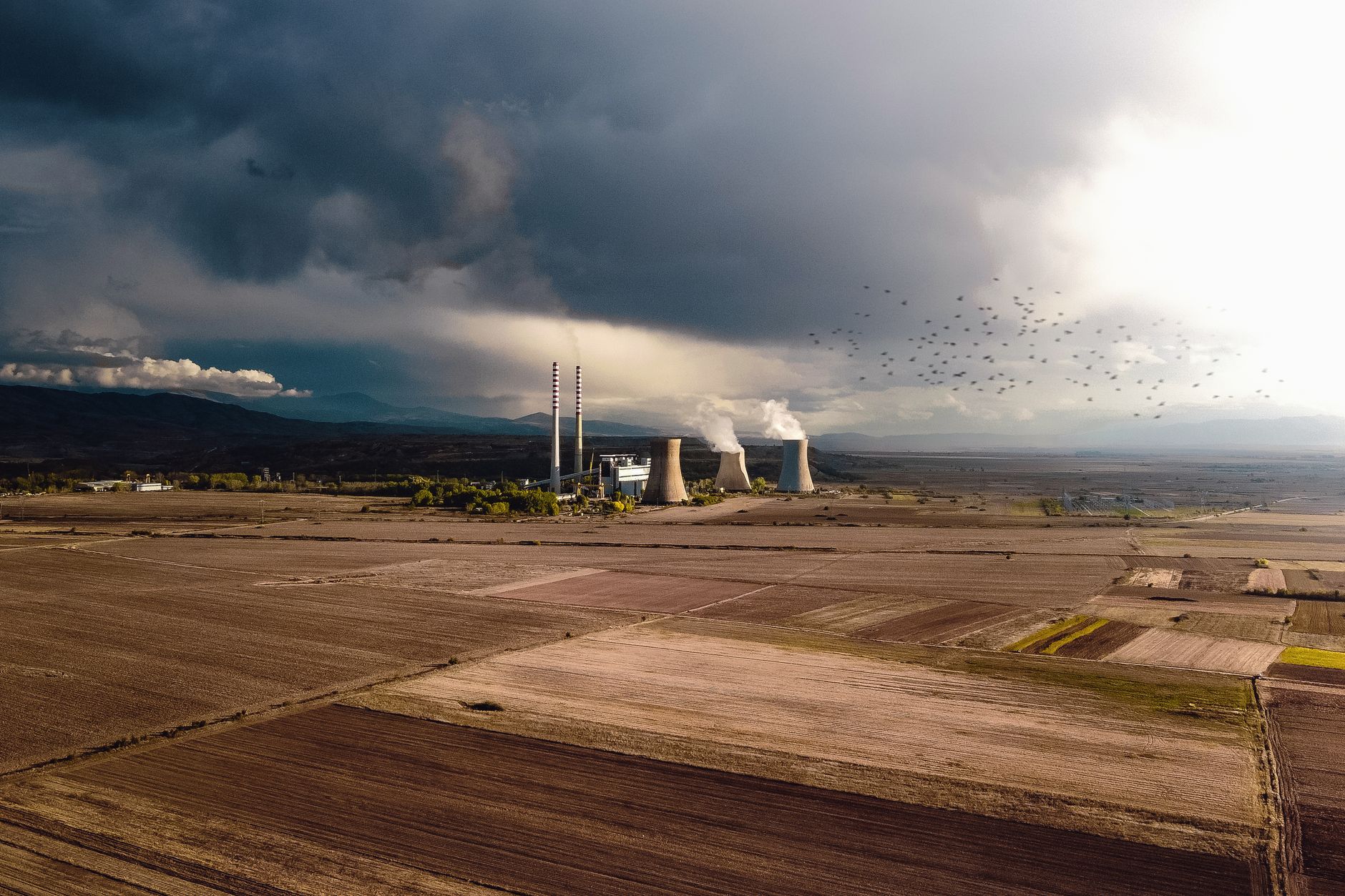
According to a 2019 summary from the Energy Information Administration, the United States had about 1,900 natural gas power stations, about 800 of them utility-owned, and natural gas produced 38% of US electricity that year. That is the most recent count the research pass could confirm, so treat it as a baseline and check EIA's current generator data before citing it internally.
The fleet is still growing. According to EIA generator inventory data as summarized by the American Public Power Association, 11 gas plants added 5.6 GW in 2022, and 20 plants totaling 7.7 GW were expected to come online in 2024 and 2025.
Fleet size matters less to you than your own access points. Count the platforms, ladders, rope positions and duct access doors at your plant before you decide, because those decide which sections a drone can cover and which still need a climb.
What can a drone see on a stack and boiler duct exterior?
A visual camera flown along the stack shell and duct exterior can show lifted or missing cladding, staining that points to water or acid leaks, and damaged supports and handrails. A thermal payload can show surface hot spots where insulation has failed, because heat escaping through a gap warms the outer skin above its normal profile.
Concrete stacks are a separate case. Inspection vendors report that drone surveys find corrosion and concrete cracks on chimneys, but those claims come from vendor material, not independent test data. Ask for a trial on your own stack and compare the drone findings with a climb-based inspection of the same section.
Thickness is the gap. A 2019 demonstration on a 160 m chimney at a Japanese thermal plant used ultrasonic testing from a drone to avoid scaffolding, according to the operator's own reporting. The trial shows the approach is possible, but it is one vendor-reported test and is not evidence that the method meets your own inspection requirements.
- Stack shell and cladding
Drone
Repeat flights on a fixed route with high resolution images, so changes between checks are easy to compare.
Staff
A climber or rope technician can touch, tap and measure, and sees detail a camera misses.
- Insulation and hot spots
Drone
Thermal passes flag surface hot spots for a crew to confirm.
Staff
A person can open a panel, check the insulation layer and judge repair scope.
- Steel wall thickness
Drone
Only with a contact ultrasonic payload, a specialist add-on that is still a trial method at many sites.
Staff
Established contact testing by trained inspectors.
- Inside boiler and duct
Drone
Cannot see through the shell or inside the duct.
Staff
Internal entry under confined space procedures.
- Crew exposure
Drone
No climb needed for the screening pass.
Staff
Every climb carries fall risk.
- Judgment and sign-off
Drone
Produces images and flags, not a condition rating.
Staff
A qualified inspector reviews the evidence and signs the finding.
What drones cannot see or measure inside the plant
Inside the boiler and the duct interior, a drone has no role at this stage. Research is still testing it. According to EPRI's journal, the Electric Power Research Institute is studying drones for fossil plant boilers, alongside transmission towers, wind turbines, dams and cooling towers. EPRI's 2016 heat recovery steam generator demonstration reached boiler areas that are hard to access, which points to hard-to-reach zones as the useful niche rather than a replacement for an internal walk-down.
Your reliability team will also want to know what a drone cannot confirm: internal corrosion, weld condition, fatigue at supports and the depth of a crack. Those findings decide whether a repair waits for the next outage or happens now. A drone flag is a reason to schedule a closer look, not a finding.
Wind and gusts near tall steel are a constraint for the pilot, and poor light can limit image quality on stacks. Plan flights for calm days and treat a weather delay as a schedule change, not a failed inspection.
How much climbing risk does an outage-only schedule carry?
Falls are the main hazard in this kind of access work. According to the Bureau of Labor Statistics, the United States recorded 5,070 fatal work injuries in 2024, down 4.0% from 5,283 in 2023, and 1,032 of the 2024 fatalities were in construction and extraction. Those totals cover all work, so use them for context rather than as a plant benchmark.
Falls keep appearing in OSHA's fatality investigations. According to Claims Journal, reporting on OSHA data in November 2024, fatal falls investigated by OSHA fell from 234 to 189, about 20%. A decline is good news, but the same fall exposure still exists wherever crews climb steel.
The BLS Economics Daily article on fall hazards, as summarized, puts nonfatal fall to lower level injuries with days away from work at 13.9 per 10,000 full-time construction workers, compared with 4.1 across all private industry.
A drone cannot remove a climb that is needed to confirm a finding. It can remove the climbs that existed only to look.
How does a drone check change outage planning?
The planning gain is in the scope. If a drone pass before an outage flags three stack sections with cladding loss and one duct run with a hot spot, the crew arrives with a list, materials and a climb plan instead of a walk-around. An operator in the power sector has said that internal chimney and boiler checks that once took days now take a few hours with drones. That claim came in a press statement and was not independently verified, so do not budget against it until you have run your own trial.
Schedule the drone pass in the weeks before a planned outage, and repeat it inside the outage window if a flag needs a close look. Keep the images on the same location grid as the previous pass so changes stand out. A stored history of flights is more useful than any single pass, because a crack that grows between checks shows up as a change instead of a surprise.
Expect a permit check and a site safety briefing before the first flight. Your plant's work control process will decide when a drone can fly near running equipment, and that decision can move the whole schedule.
What do the flight rules require at a plant?
Under the FAA's Part 107 rules, drone flight generally has to stay within visual line of sight, so the operator can see the aircraft at all times. Flying beyond that line needs an FAA waiver. Whether a stack survey fits within line of sight depends on the layout, so map the routes before you commit to a flight plan.
The FAA and TSA proposed a low altitude beyond visual line of sight rule, Part 108, in an August 7, 2025 notice. The final rule status could not be confirmed in the research pass, so check the FAA's latest status before you plan around it.
Plant safety rules apply on top of FAA rules. Your site's permit to work and drone policy will set flight windows, exclusion zones near running equipment and who may be near the flight area. A flight that is lawful under FAA rules can still be refused by plant operations.
What do the drone flags really tell you?
A drone flag is a place to look closely. It is not a finding of condition. A flagged hot spot may be a surface stain, a sun angle or a reflection, which is why every flag needs a crew to confirm it.
The useful measure is the trend. Passes spaced across the year over the same grid show whether cladding loss, staining or heat patterns are growing. A single pass shows only what was there on that day.
Keep the records organized by section, so an image, a flag and a climb finding can all be matched to the same location.
How would we set up drone checks with you?
We are a commercial robot integrator for US businesses. We pick the right aircraft across manufacturers, lease it through financing, deploy and integrate it, train your staff and service every unit under our service plan. You get one partner for the whole lifecycle instead of separate contracts for the aircraft, the software and the repairs.
The first step is a free site assessment. We would map your stack and duct access, the flight routes against the line of sight limits, the platforms a climb still needs and the plant rules for work near running equipment. The lease payment comes in a quote after that assessment, not before. Maintenance is included under the service plan.
Service stays close to the site. Regional service engineers handle on-site dispatch in every state we service, and remote triage can clear some faults before a visit. Ask for a trial flight on one stack section before committing to a full plant survey, so you can compare the drone findings with a climb-based check on the same section.
Frequently asked questions
Want a drone at your gas-fired power plants?
Tell us about your site. We will recommend the robot, quote the lease, and keep it serviced.
Sources
- U.S. Energy Information Administration, Today in Energy
- American Public Power Association, summary of EIA generator data
- U.S. Bureau of Labor Statistics, Census of Fatal Occupational Injuries
- Claims Journal, reporting on OSHA fatality investigations
- U.S. Bureau of Labor Statistics, Economics Daily, national safety stand down
- Federal Aviation Administration, beyond visual line of sight
- EPRI Journal
- Terra Drone, chimney ultrasonic testing post