

The question, in the buyer's words
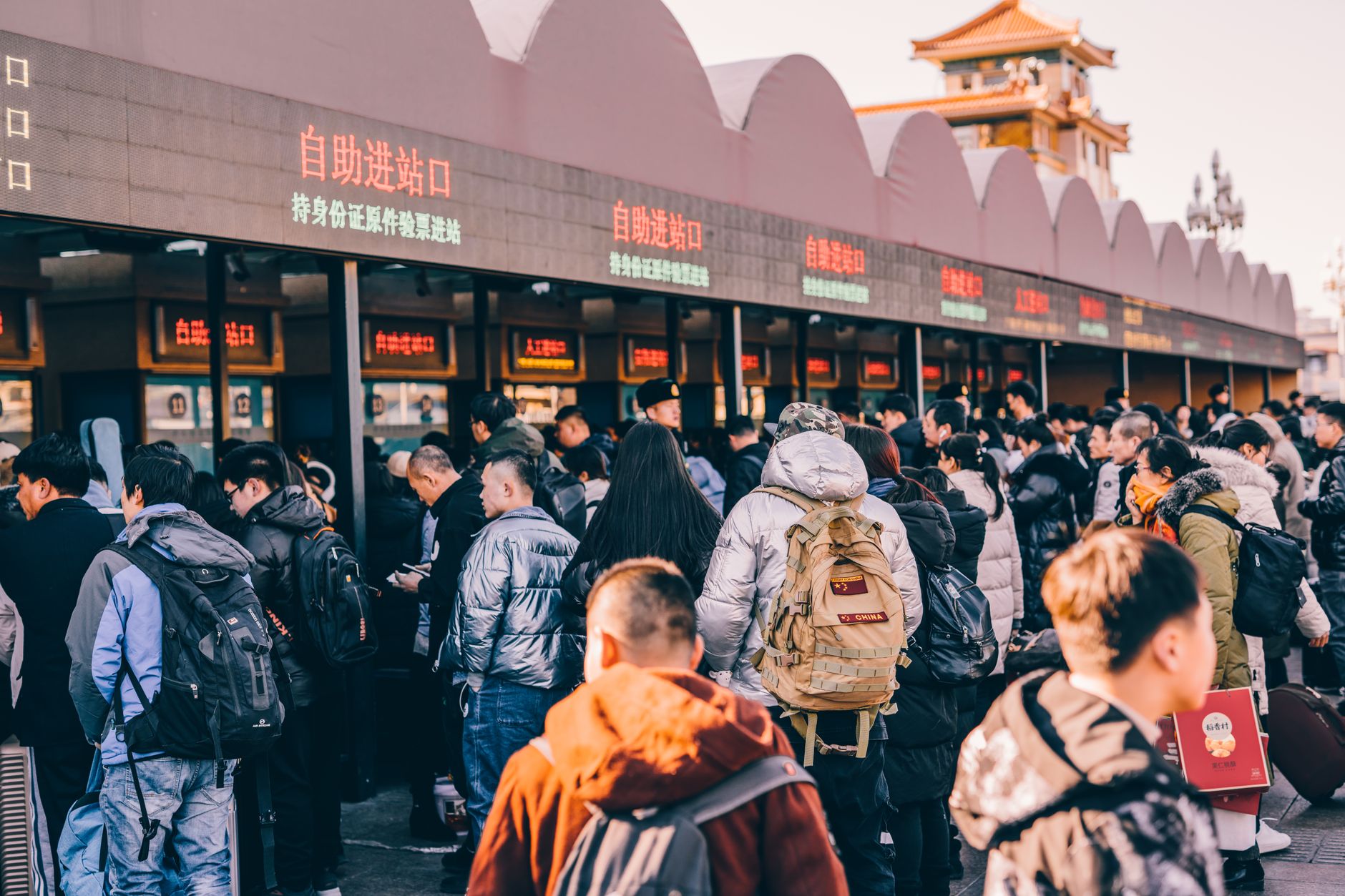
Our 18,000-seat arena in Minneapolis, Minnesota gets a long line at will-call on event nights with fans asking about parking, seat locations and bag rules while one box office staffer handles ticket problems; could a humanoid robot answer those questions at the window?
Key takeaways
- A humanoid can take the routine fan questions at will call, but ticket problems still need a trained person at the window.
- Minneapolis lines face snow, slush and cold from about November into April, so winter conditions belong in any robot plan.
- Log two or three event nights of questions by type before deciding, because the mix of questions decides the fit.
- Public evidence for humanoid service at arenas is thin, so treat an early deployment as a supervised test, not a forecast.
Can a humanoid robot answer Minneapolis arena will call fan questions?
On event nights, a long will call line usually means the same handful of questions repeated over and over: where to park, which gate or section to use, and whether a bag will be admitted. A humanoid robot can stand near the line or at a short station and answer those questions in plain speech, using the same approved wording every time. That is the part of your problem a robot can take.
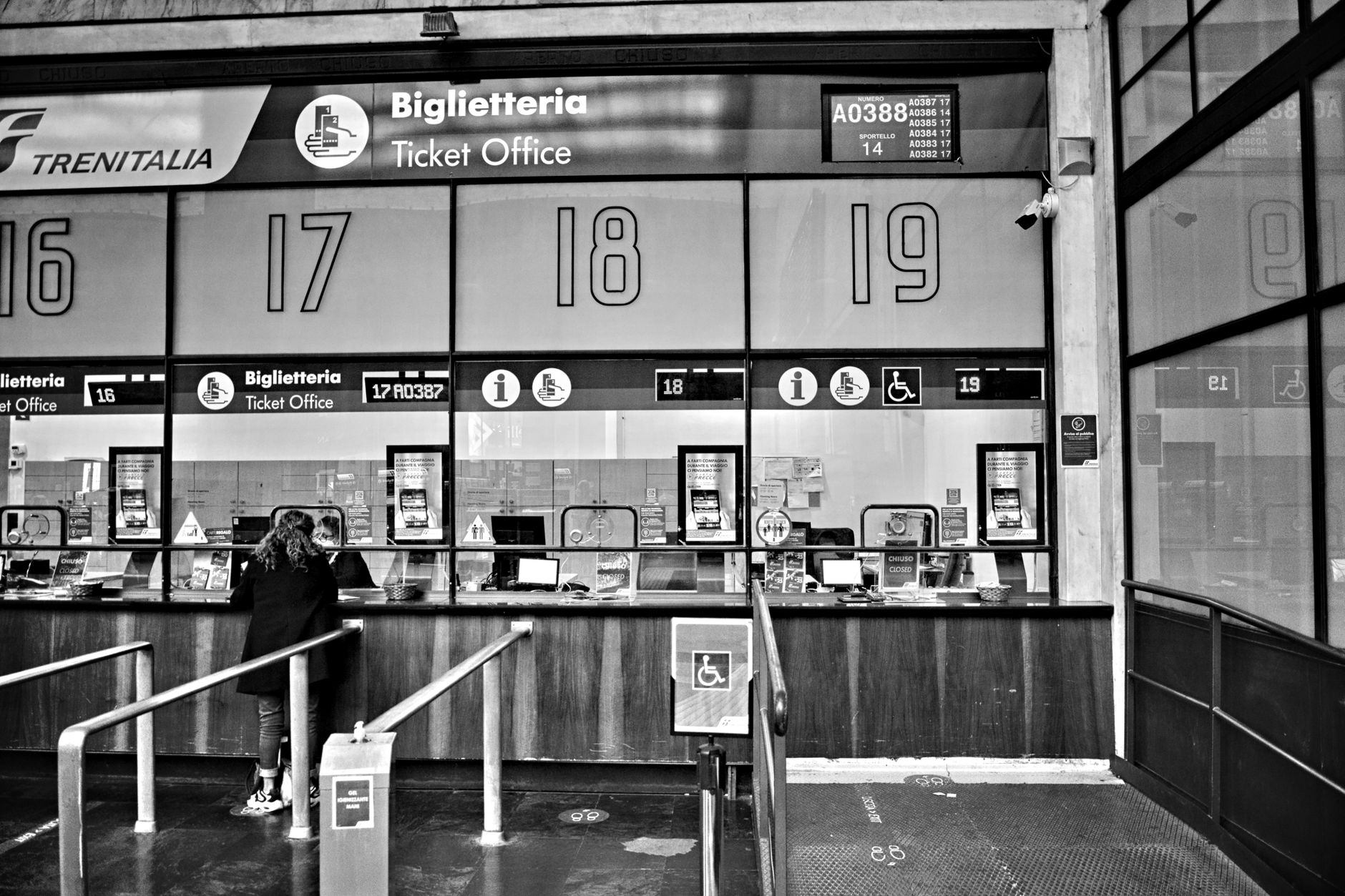
Ticket problems are another kind of job. A fan with a damaged barcode, a name that does not match the order or a lost confirmation needs someone who can check identity, look up the record and decide what the venue allows. A humanoid fan questions station does not change that, so plan for the staffer to keep the ticket work even if the robot runs.
The realistic gain is narrower than the original question suggests. The robot takes the repetitive questions that stall the staffer, and the staffer keeps the decisions. Whether that justifies a lease depends on how many questions your line really produces, which is the first thing to measure.
How many fan questions reach the window on an event night?
Our research did not find a published count of questions at arena box offices, and it did not find staffing counts or hours per event for will call. The first number you need is therefore your own. Ask the staffer or the door team to tally questions by type for two or three event nights, noting roughly how long each one takes. The mix matters more than the total, because a line of mostly directions is a separate job from a line of mostly reissues.
Also note which questions the venue already answers on signs, on its website or by phone. A robot repeats the answers it is given, so a question with no written answer will still send fans to the staffer. Written answers for parking, bag rules and seat maps should be approved by venue operations before any unit goes live, because a robot that answers wrongly in front of a crowd creates more work than it saves.
- Parking and transportation
- Seat and section location
- Bag and prohibited item rules
- Accessibility requests
- Will call versus gate pickup
- Ticket problems and reissues
How do Minneapolis winter and event seasons affect a window robot?
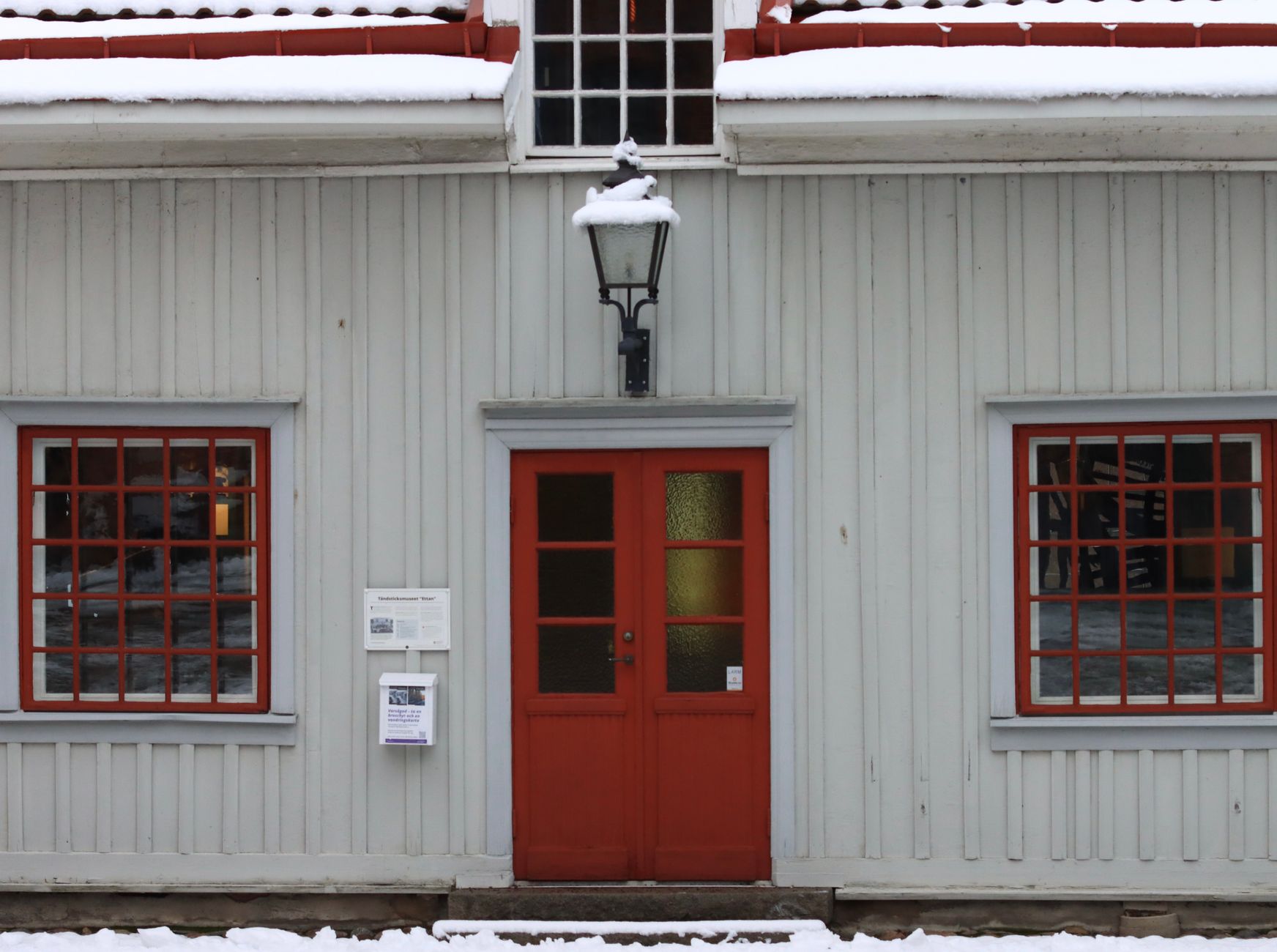
Minneapolis lines run through long cold months. According to a Minnesota Department of Natural Resources summary of 1981 to 2010 normals, Minneapolis-St. Paul averaged 45.3 inches of snowfall a year. A Twin Cities newspaper analysis of 30-year records found that first measurable snow at the airport station typically arrives around November 5, that the first inch of snowfall usually comes around November 21, and that the last snowfall of the season typically falls in April.
A window robot placed near a door will meet cold air, wet floors and salt. Our research did not find an operating temperature range or ingress rating for any humanoid model, so do not accept a general claim about winter use. Ask for the rated environment in writing, then compare it with the coldest spot in your entry and the wettest floor near the doors.
Your event calendar, not the calendar year, sets the peak days. Plan robot coverage around game and concert nights, and check that the unit sits where it can serve the line without blocking the exit path when the crowd is heaviest.
Is it hard to staff a box office window in Minneapolis?
Minnesota's labor market is shifting, and the venue sectors are moving with it. According to the Minnesota Department of Employment and Economic Development (DEED), the state unemployment rate rose one-tenth of a point to 4.5 percent in September 2026. DEED's May 2026 employment analysis reported that Arts, Entertainment and Recreation fell 4.3 percent over the month, while Accommodation and Food Services rose 0.8 percent. A DEED regional profile for southeast Minnesota counted almost 25,000 Leisure and Hospitality jobs in 2025, about 10 percent of regional employment, which shows how central that sector is to local hiring.
Quit rates in these sectors swing widely. The Bureau of Labor Statistics (BLS) reported a quits rate of 3.5 percent for accommodation and food services in August 2026. In September 2021, the same BLS series showed 6.6 percent for accommodation and food services and 5.7 percent for arts, entertainment and recreation. The 2021 figures are pandemic-era, but they show how far the rate can move.
For a box office, a robot does not solve turnover. It can keep routine answers consistent across temporary and rotating staff, so new hires spend less time memorizing parking and bag rules. Ticket decisions still depend on whoever is working a given night, so the training that matters most is the escalation path.
What can a humanoid do at will call, and what can it not do?
A humanoid suits the parts of the window that involve speech, pointing and moving through a line. It can greet people, explain parking and bag rules from approved text, point fans to a section or gate, and hand a fan to a staff member. It should not make a ticketing decision, check a card against venue records on its own or decide a refund.
Write those limits into the scope before any integrator begins work. A clear boundary tells the staffer when to step in and tells venue operations what the robot is responsible for on a busy night. It also makes the pilot easier to judge, because every hand off marks a question the approved text did not cover.
Exceptions are where people still win. A fan with a bag that is nearly within the rule, a guest who needs a seat change, or a group with split tickets needs someone who can weigh the case and explain the decision kindly. Route those to staff at once and log them, because repeated exceptions are a sign that the written rules need updating.
- Routine parking, seat and bag questions
Humanoid Robot
Answers from approved text the same way every time, in every lane, without fatigue.
Staff
Reads the crowd, adjusts tone and handles questions the written text did not cover.
- Ticket problems
Humanoid Robot
Can log the issue and send the fan to a person. Cannot reissue, refund or verify identity on its own.
Staff
Checks identity, looks up the order and makes the call within venue rules.
- Exceptions to bag or accessibility rules
Humanoid Robot
Limited to written rules, so anything unusual goes to staff.
Staff
Can weigh an exception and explain the decision kindly.
- Cold, wet and salted entry conditions
Humanoid Robot
Depends on the rated environment, which must be confirmed in writing before use.
Staff
Can dress for the weather and step into a sheltered spot during breaks.
- Peak-hour surge
Humanoid Robot
Serves one fan at a time, so a long queue still needs staff at the window.
Staff
Can split work between ticket problems and questions and call for help.
- Handling a new kind of question
Humanoid Robot
Needs staff to update the approved text before it can answer.
Staff
Can notice a new pattern and report it the same night.
- Availability through an event
Humanoid Robot
Runs through the event if the unit is up and charged, with staff watching the station.
Staff
Needs breaks and shift coverage.
Where does humanoid customer service stand in 2026?
The field is early. An April 2026 industry analysis reported more than 40 companies with announced humanoid programs and fewer than 10 that had delivered units to paying customers. That source is a vendor-adjacent blog and was not independently verified, so read it as a directional signal, not a census.
Recent public demonstrations show what a humanoid can do on a stage. A vendor-reported demonstration from August 2026 said a humanoid located products and handed them to customers, and that all demonstrations ran autonomously without teleoperation. That is not a field trial in a crowded venue, and it does not measure error rates or fan satisfaction.
Retail and restaurant pilots reported in 2026 mostly described what the robot did, not measured outcomes such as sales or satisfaction. We found no published arena box office results. A pilot at your own window would produce the first local evidence you can trust.
What would a pilot at the arena will call window involve?
A sensible pilot starts small: one leased unit at one window, on a set number of event nights, with a written list of approved answers and a clear hand off to the staffer. We begin with a free site assessment that maps the lobby, the line path, the power and network near the window, and the spots where cold air and wet floors reach the robot. The lease is quoted after that assessment, so the terms are known before anything is installed.
We pick the robot type for the window's job, not for its looks, and we work across manufacturers to find the right fit. We lease the unit through financing, deploy and integrate it, train staff on the escalation path and service the unit under our service plan, with regional service engineers in every state we serve. The payment comes in the quote, so you can compare it directly with a second staff member or a fixed information board.
Measure the pilot against the question log from your first step. Count how many routine questions were answered without staff, how many fans were handed off, and how the line moved on the busiest nights.
Who should decide, and what should you do next?
The box office manager should own the decision, with venue operations and ticketing leads signing off on every answer the robot will give. Put the ticket problem process in writing before the first event night, including who can reissue a ticket and what the robot says when it cannot.
If your log shows that most of the line is ticket problems, a robot will not relieve the staffer much, and a second trained person at peak hours is the better fix. A printed sign or fixed kiosk may suit a short, stable list of questions better, because it needs no supervision and no power in a cold entry.
The next steps are short: log two or three event nights of questions, write and approve the answers, check the rated environment for the window, and request a free site assessment and a lease quote. Use the quote to compare the robot with those other options before committing.
Frequently asked questions
Upcoming events in Minneapolis, MN
Put a robot to work in Minneapolis.
We walk your site, learn the job, and recommend the unit that fits. Then we quote the lease, deploy it, and keep it serviced.
Sources
- BLS Economics Daily, quits rate 3.5 percent in accommodation and food services, August 2026
- BLS Economics Daily, quits rate 6.6 percent in accommodation and food services, September 2021
- Minnesota DEED May 2026 employment analysis
- Minnesota DEED October 2026 press release
- Minnesota DEED southeast Minnesota regional blog, 2025
- Twin Cities newspaper 30-year snowfall analysis
- Minnesota DNR Minneapolis-St. Paul 1981 to 2010 normals summary
- April 2026 humanoid shipping analysis