
The question, in the buyer's words
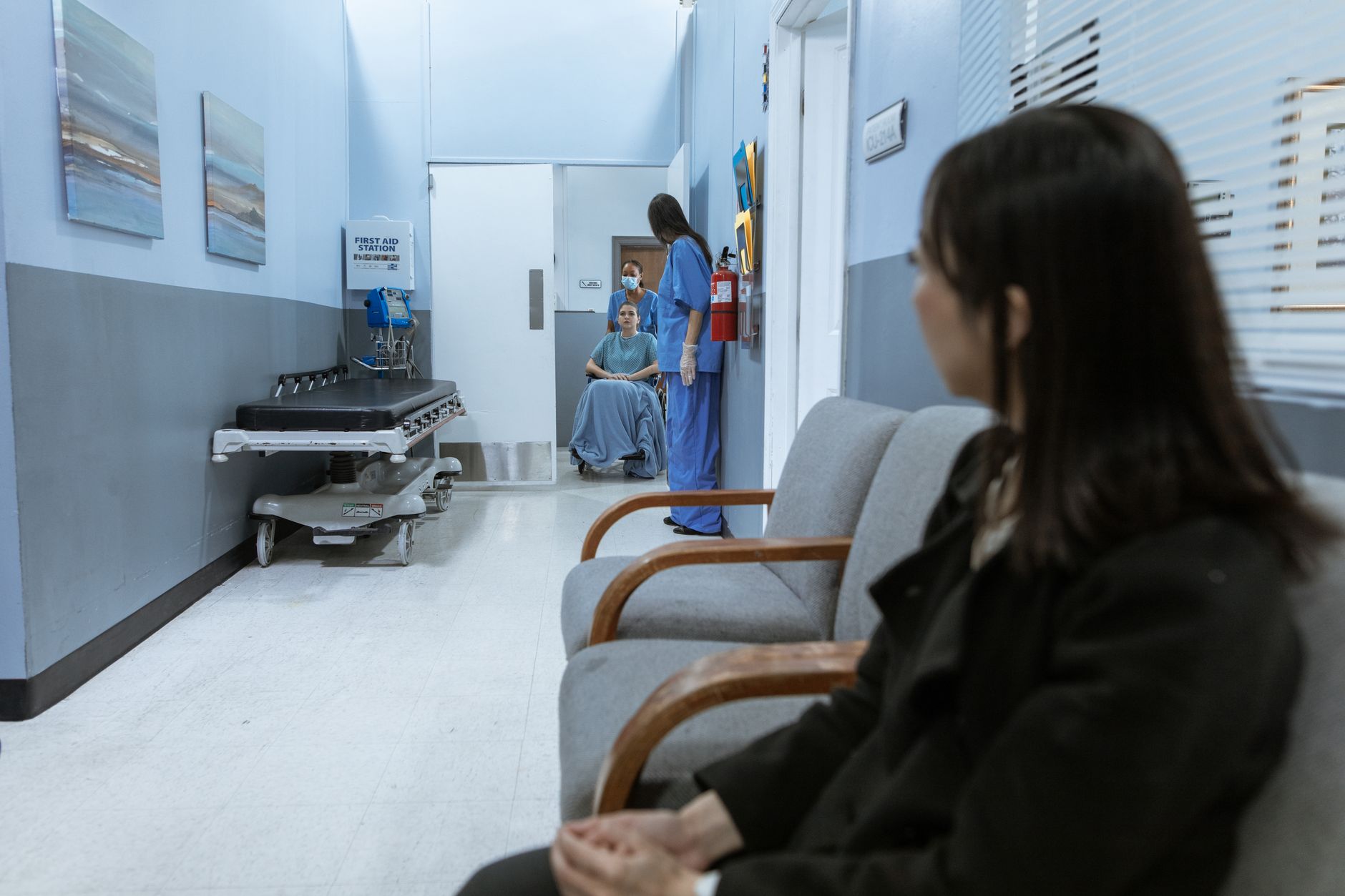
Our emergency room waiting room in Columbia, South Carolina sees about 200 people a night, and check-in staff keep getting the same questions about wait times and parking; could a humanoid robot greet patients and answer those questions while nurses handle triage?
Key takeaways
- A humanoid greeter fits the repeated information questions at the desk, not triage.
- The national wait medians we could verify date from 2003 to 2011, so measure your own waits.
- Health care and social assistance is the largest industry in the Columbia metro, so desk hiring stays hard.
- A greeter is only as accurate as the live wait and parking data it can read.
- A wall screen may answer the same questions with less upkeep, so test both.
Can a humanoid greeter answer Columbia ER waiting room questions?
Yes, for a narrow set of questions. A humanoid greeter can stand in a Columbia ER waiting room and answer what check-in staff repeat all evening: where to sit, how to reach the registration window, where to park, and what the posted wait looks like. That work is scripted and repetitive, which is the kind of work a greeter handles well.
It does not cover the part of your ask that carries the most risk. A greeter cannot triage, judge urgency, or decide who needs a nurse now, and a patient in pain or fear needs a person. Nurses keep triage, and the greeter should hand off any clinical concern to staff at once.
Whether it fits your building depends on three checks: whether wait and parking answers live in a system a robot can read, whether the lobby layout leaves it room to move, and whether entrance heat and noise stay within its operating range. Those are measured on site, not guessed from a brochure.
Which questions are pulling check-in staff away from patients?
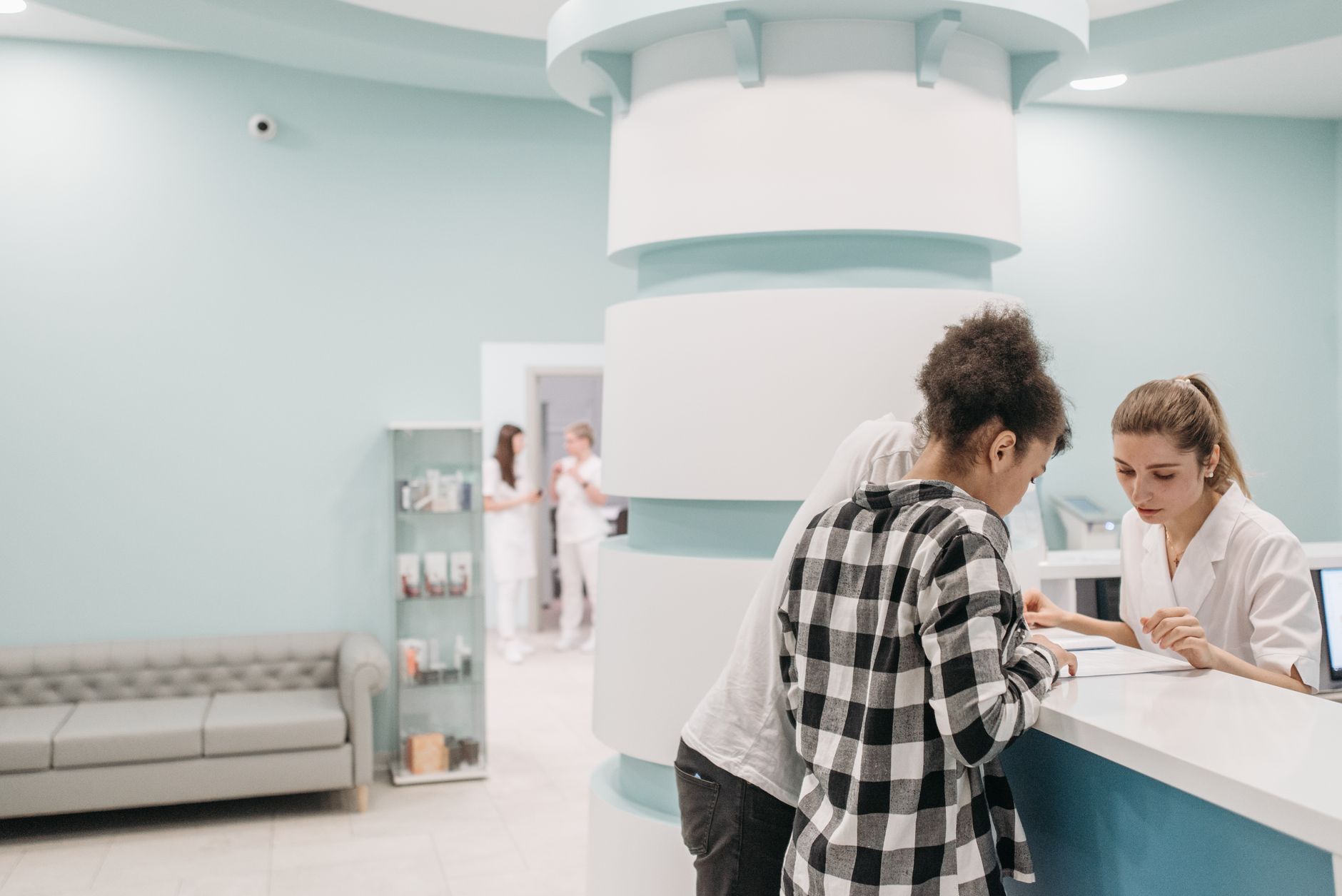
Before you choose any machine, sort the questions. In most emergency lobbies the repeated ones fall into a few groups, and they are easy to count. Keep a tally sheet at the desk for one full week, noting the question, the hour, and whether the clerk stopped other work to answer it.
Separate questions that need a fact from questions that need judgment. A parking question needs the parking map. A question about a feverish child needs a nurse. Only the first group is a candidate for a greeter, and in many lobbies it is the larger group.
Count interruptions, not just questions. Each stop at the desk delays the patient or family in front of the clerk. Peak hours are where the pull is strongest, so the tally should show the time of day as well as the count.
- Wait time: how long until I am seen
- Parking: where to park and where to walk from
- Direction: where to go for a service or a form
- Preparation: what to bring and what to expect
- Visitors: who may come back and when
How long do US emergency patients wait, and what do the national numbers say?
The most recent national wait figures we could verify are older than most managers expect. According to NCHS Data Brief No. 102, the median time to see a provider rose 22%, from 27 to 33 minutes, between 2003 and 2009. The same brief reports that the shortest median wait for triaged patients with an immediate need was 12 minutes.
A CDC NCHS blog summary of the National Hospital Ambulatory Medical Care Survey puts the median time to be treated at about 30 minutes for 2010 to 2011, with a median total treatment time just over 90 minutes. Both sets of figures are more than a decade old, so treat them as background, not as your benchmark.
What this means for your lobby is that the front door is a long-stay area. A visitor who waits through a long treatment has time to ask every question twice. Use your own tracking board to measure waits by hour, and do not quote national medians to your staff as if they describe your building.
What have humanoid greeters already done in hospital lobbies?
The closest match on the public record is a Danish university project. According to its announcement, three prototypes were tested at hospitals in Denmark and Germany, and the robot greets patients, gives directions, and offers to walk them to their destination. That covers greeting and wayfinding, which is the repeated work at your desk, and it stops short of triage.
Other hospital pilots were reported in Italy, Vietnam and Canada, where humanoid robots were trained or tested to greet visitors and guide them. We did not verify outcome data for those pilots, such as changes in complaints or staff hours saved, so they show the job can be done, not that it pays off.
Treat any vendor claim about lobby results as unproven until you have your own numbers. Run a pilot in your lobby, measure with the same tally you kept in the first section, and compare interruptions per shift before and after.
How does a humanoid greeter compare with a person or a wall kiosk?
The honest comparison is not robot against person. For repeated questions, a greeter gives the same answer every time and does not need a break. For anything that calls for judgment or comfort, a person still wins, and for a visitor who only wants a parking map, a plain screen may be the better tool.
A wall screen or kiosk can answer many of the same questions with fewer moving parts and less upkeep. A humanoid earns its place only if your visitors respond to a greeter that walks them to a destination, which is the one thing a screen does not do.
Decide by the job, not the novelty. If most of the tally is parking and directions, a kiosk may be enough. If the tally is heavy on where-do-I-go questions from people who need an escort, the greeter has a stronger case.
- Repeated questions
Humanoid Robot
Same answer every time, no breaks, no fatigue at peak hours
Staff
Answers well but slows down when the desk is busy
- Triage and urgency
Humanoid Robot
Not suited, must hand off to staff at once
Staff
Nurse judgment, the only option for this work
- Frightened or upset visitor
Humanoid Robot
Limited, calm scripted responses only
Staff
Can read the room and offer comfort
- Languages
Humanoid Robot
Limited to configured languages, so test speech before go-live
Staff
Staff plus interpreter access
- Walking a visitor to a destination
Humanoid Robot
Can escort within the mapped lobby and halls
Staff
Can walk any visitor, but leaves the desk
- Heat at the entrance
Humanoid Robot
Needs placement away from direct sun and a checked operating range
Staff
Can step indoors and take breaks
- Upkeep
Humanoid Robot
Needs a service plan, charging and repair response
Staff
Needs hiring, training and shift cover
What do Columbia heat and the labor market mean for this lobby?
Columbia summers test any machine near the entrance. According to a Post and Courier report, the city's summer averaged 81.7°F in 2024, the warmest since 2018, and its hottest summer on record was 2016 at 84.8°F. A Free Times piece carried by Post and Courier says Columbia Metro Airport reaches 100°F about seven times a year on average.
Place the greeter where visitors can reach it without standing in full sun or blocking the doors, and ask for its operating temperature range in writing. Patients waiting outside in the heat are a reason to plan a shaded queue, not a reason to skip the lobby.
The labor picture is local too. According to the S.C. Department of Employment and Workforce's January 2026 Data Trends report, health care and social assistance is the largest industry in the Columbia metro. Statewide, the same sector had 268,300 seasonally adjusted jobs in April 2026, up 2.9% year over year, according to the April report. Desk hiring competes with a large, growing employer base, so a greeter that takes repetitive questions off your clerks can help keep those posts covered.
The closest occupation the Bureau of Labor Statistics publishes is medical records specialists, not registration clerks. Its Occupational Outlook Handbook projects 7% growth for 2024 to 2034, which it calls much faster than average, with about 14,200 openings a year. Read that as a signal about the field, not a count of front-desk jobs.
What should you check before deciding on a humanoid greeter?
Start with the data. A greeter that quotes a wait the board does not show creates the complaints you already have. Confirm that wait estimates and the parking map come from a source the robot can read, and that your privacy officer has reviewed anything the robot could touch near patient information. Keep identity and insurance questions with staff.
Then check the room. Measure the open floor path, the seating, and the sightlines from the entrance. Test speech recognition with the languages your visitors actually speak, and count how many of them need an interpreter today, because a greeter that cannot serve them adds to the desk's load.
Pilot before committing. Start with one unit on one shift, keep the tally from the first section running, and compare waits and interruptions after a fixed trial period. A pilot tells you more than a demonstration does.
How does a leased greeter get from site assessment to go live?
Service Robot Co. starts with a free site assessment that maps your lobby, checks the wait and parking data links, and measures heat and noise near the entrance. We quote the lease after that assessment. The robot is leased through financing, so you do not carry the full equipment cost up front.
Deployment follows. We integrate the greeter with the systems you approve, train your front-desk staff on what it answers and what it hands off, and set the escalation path so any clinical concern reaches a nurse at once. Go-live support covers the first days, when visitor questions are most varied.
After go-live, RoboCare, our service plan, covers maintenance and repair, backed by regional service engineers in every state we service, so you deal with one partner for the whole lifecycle. Ask in writing whether backup coverage is part of your lease terms, so the greeter does not leave the lobby dark during a repair.
Frequently asked questions
Upcoming hospitals & healthcare events
- ConferenceNew England College Health Association (NECHA) 2026 Annual MeetingNov 11 to 13, 2026Newport Marriott Hotel & Spa, Newport, RI
- ConferenceHLTH USA 2026Nov 15 to 18, 2026The Venetian Expo, Las Vegas, NV
- ConferenceIndiana Safety and Health Conference & Expo, 2027Feb 8 to 10, 2027Indianapolis, IN
- ConferenceHealthcare Project Delivery Conference 2027Feb 10 to 11, 2027Manchester Grand Hyatt, San Diego, CA
Put a robot to work in Columbia.
We walk your site, learn the job, and recommend the unit that fits. Then we quote the lease, deploy it, and keep it serviced.
Sources
- CDC NCHS blog summary of NHAMCS
- NCHS Data Brief No. 102
- BLS Occupational Outlook Handbook, medical records specialists
- Post and Courier, Columbia summer 2024
- Free Times via Post and Courier, Columbia heat
- S.C. Data Trends, January 2026
- S.C. Data Trends, April 2026
- Danish university humanoid reception robot project