
The question, in the buyer's words
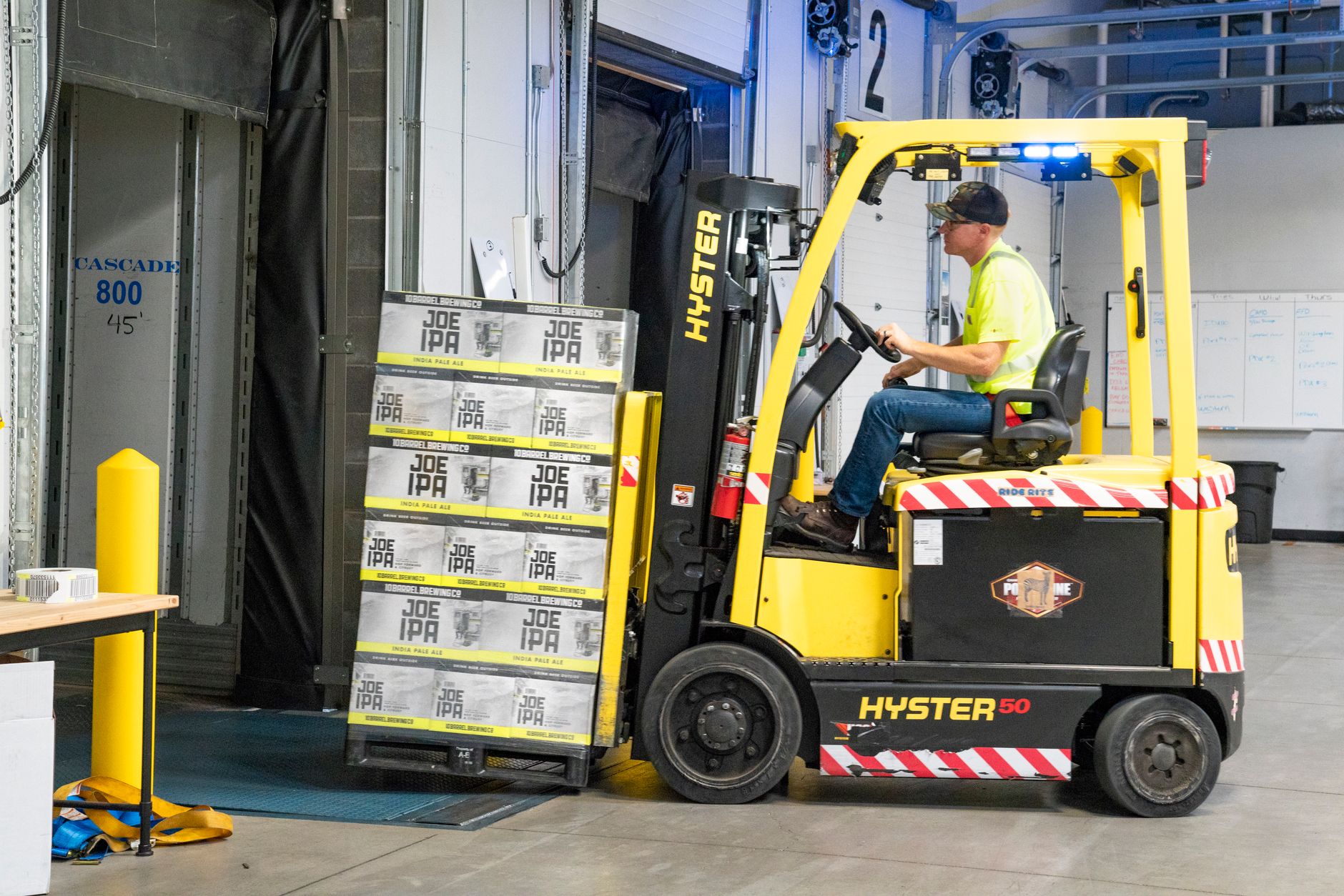
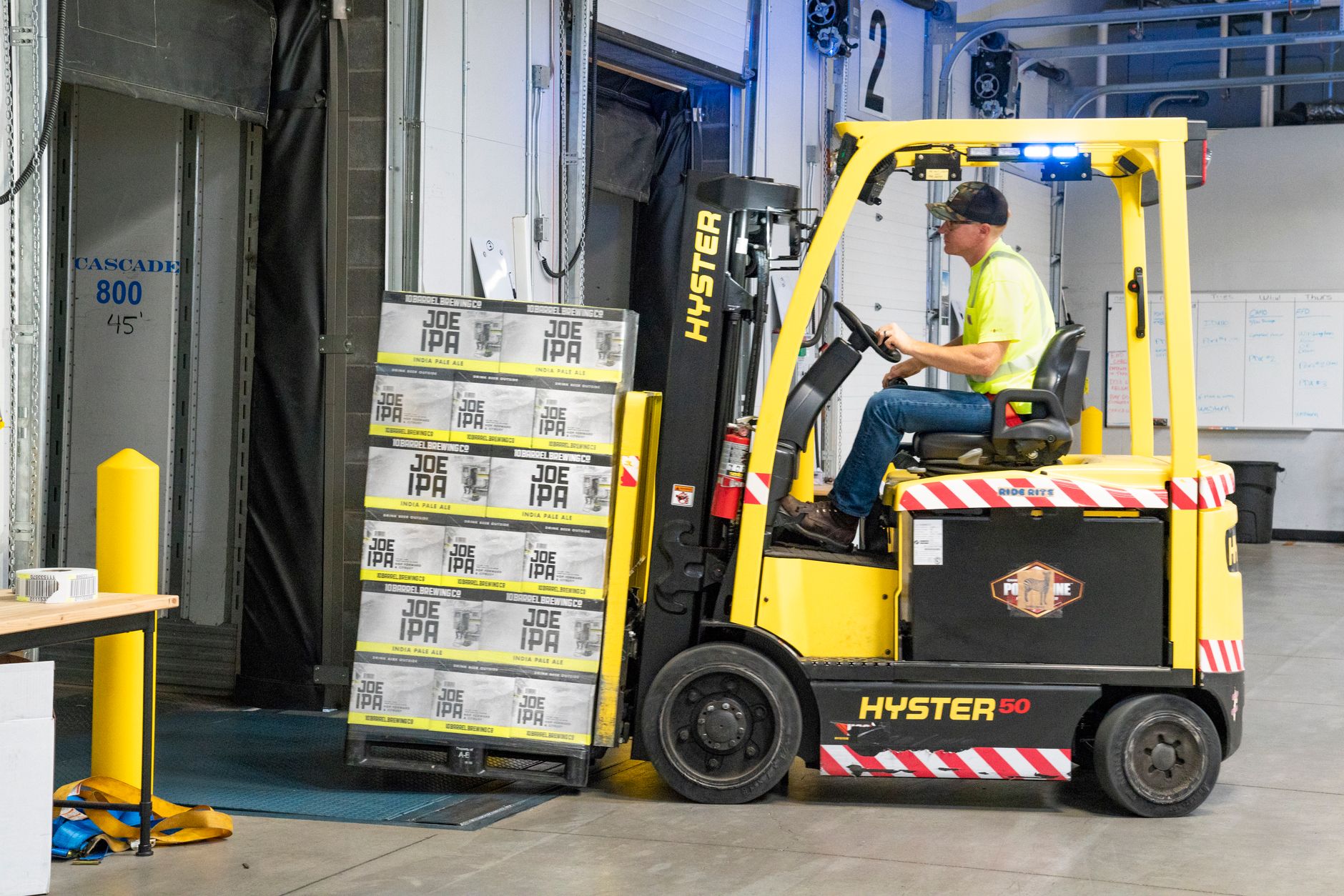
Our beverage distributor has 14 delivery trucks, and dock pallets sit waiting because two loaders are out; how do we start moving pallets from the warehouse to the dock with robots without disrupting the outbound schedule?
Key takeaways
- Pallet robots fit the warehouse to dock leg, not the trailer load.
- Two missing loaders is a dock capacity gap, so plan a pilot rather than a full swap.
- Pedestrian and forklift separation is the first design rule for any dock.
- Run the first route beside the live outbound schedule and measure before widening.
- The lease quote follows a free site assessment that maps your actual route.
Can robots move pallets from a beverage distributor warehouse to the dock?
Yes, for one leg of the job. A beverage distributor dock backs up when pallets are built and staged in the warehouse but cannot reach a door fast enough, and that is the leg pallet robots can take over. Autonomous pallet movers and autonomous forklifts can carry staged pallets along a fixed route to the dock doors, which frees the loaders you still have for trailer work.
They do not take over every step. Loading a trailer, stacking cases inside it and handling damaged or mixed pallets usually stays with people, because a pallet mover is built to carry a load from point to point rather than to work inside a truck. Treat the robots as a way to add dock capacity while you hire, not as a full replacement for two loaders.
The reason to act now is the outbound clock. Every pallet that sits at the dock is a delay risk for a truck that is already dispatched. Start with a single route, measure it for several weeks, and widen only after the outbound schedule holds steady.
Which robot types fit a beverage distributor dock, and which do not?
Two types fit this job well, and one of them fits only some layouts. Autonomous pallet movers, often called AMRs, are low profile carriers that follow mapped routes and move pallets without a rider, which suits long, relatively straight runs from storage to doors. Autonomous forklifts can lift and place pallets at racking or dock height, which matters when a route includes lifting or tight turns.
Collaborative robot arms, usually called cobots, are the wrong tool for this question. A palletizing cobot builds or breaks down a pallet in one fixed cell, and your problem is moving finished pallets across a building. Floor scrubbers, drones and humanoid machines do not move pallets on a dock at all, so they should not be on the shortlist.
Match the type to the route rather than to a brochure. A pallet mover on a clean path between one storage zone and a set of doors is the simplest case. Several turns, mixed floor surfaces, or pallets stored in upper racking push the choice toward a forklift form factor. The site assessment is where we check that match with measurements.
Why do dock pallets pile up when two loaders are out?
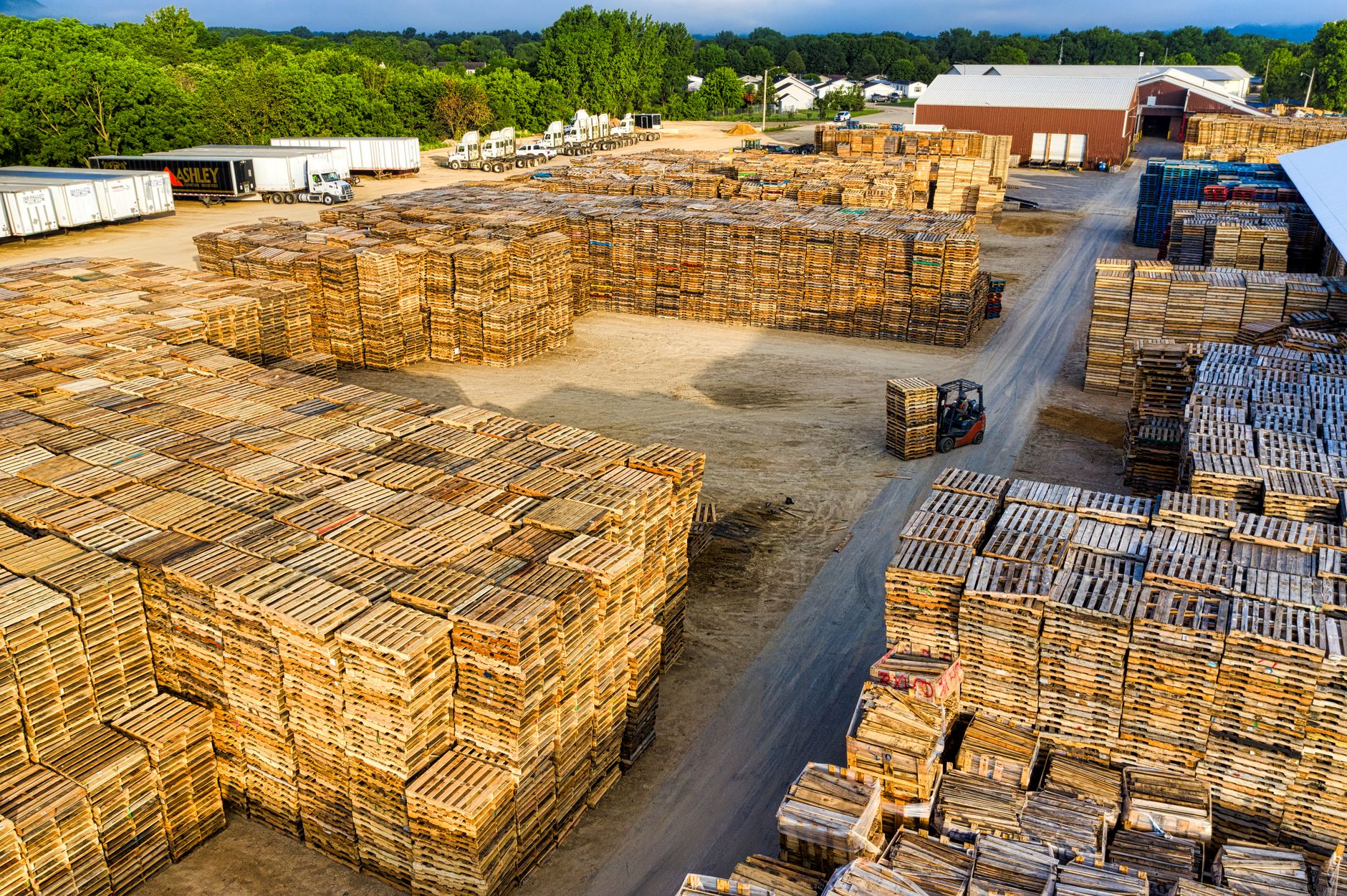
Loader work is repetitive, and the occupation is not growing quickly. According to the Bureau of Labor Statistics Occupational Outlook Handbook, employment of material moving machine operators is projected to grow 1 percent from 2024 to 2034, which is slower than average, with about 83,200 openings a year on average. Openings recur every year, so a vacancy on your dock is a structural condition rather than a one-time gap.
Warehousing and storage is the largest employer of these operators, at 36 percent of the occupation, according to the same Handbook. The Handbook also says training is typically on the job in under a month. That means a new loader can become useful quickly, but every departure removes trained capacity from the exact dock that is backing up.
Turnover is the other drag. A fleet industry article puts forklift operator turnover at 35 to 45 percent a year, a secondary figure from trade commentary rather than a government survey. Use that range as a planning signal, not a precise rate. If it applies to your crew, plan the dock as if one loader position will always be in transition.
What changes the cost and setup of a dock pallet robot?
Cost depends on the route more than on any headline feature. Each added door, turn, elevator or stop adds mapping, testing and supervision work, so a clean run from one storage zone to one set of doors is the cheapest place to start. The lease quote is built after we see those details, not before.
Floor and dock conditions change what a unit can do safely. Uneven concrete, steep ramps, seams and gaps at the dock plate, and levelers that do not sit level with trailer beds all affect the design. These are site facts we measure, not guesses, and they are often the difference between a simple pilot and a longer build.
Shift coverage matters as much. A unit that runs only on day shift, when loaders are most available, solves a different problem than one that stages pallets through the overnight build for early trucks. Decide which hours you need covered before you ask for a quote, because that decision sets how many units and how much charging time the route requires.
How do you keep robots and people apart on a busy dock?
Safety is the first design rule, and the injury data explains why. According to the Bureau of Labor Statistics fatal injury factsheet for 2017, there were 74 fatal forklift-related injuries that year. The leading event types were nonroadway incidents at 20, struck by powered vehicle at 13, and struck by falling object at 12.
The same factsheet reports that pedestrian injuries had the highest median days away from work, at 20 days. Older analysis by the CDC and NIOSH of 1980 to 1994 fatalities put forklift overturns at 22 percent, pedestrians struck at 20 percent and workers crushed at 16 percent. That data is dated, but the pattern of pedestrian and vehicle contact is still the one to design around.
NIOSH recommends separating pedestrian and forklift traffic and restricting forklifts near time clocks, exits and high-traffic areas. On a dock, that means marked or physical lanes, clear sightlines at each door mouth, and a rule that people stay out of the robot path during staging windows. Finish the route design before the first unit runs, not after the first near miss.
How do you run a pilot without slowing the outbound trucks?
Start small and time the pilot to the schedule. Pick the route that feeds your busiest doors, run it in a slower window first, and keep your existing loaders on trailer loading so the trucks still leave on time. Record how long each pallet takes from staging to door before and after the pilot, and share those numbers with the people who dispatch trucks.
Plan charging and downtime into the schedule. A unit that is charging or waiting for service should never be the only path to a door. Keep a manual fallback for every route, and agree in advance who makes the call to switch to manual when a unit faults. The schedule should survive a robot being offline for a full shift.
Connect the task list to what dispatch already knows. Pallets should move in the order trucks need them, which usually means a daily sequence from the warehouse system or a simple printed plan for the first weeks. Without that link, a robot can move the right pallets to the wrong door and create a new bottleneck while solving the old one.
What do automation adoption figures say about starting now?
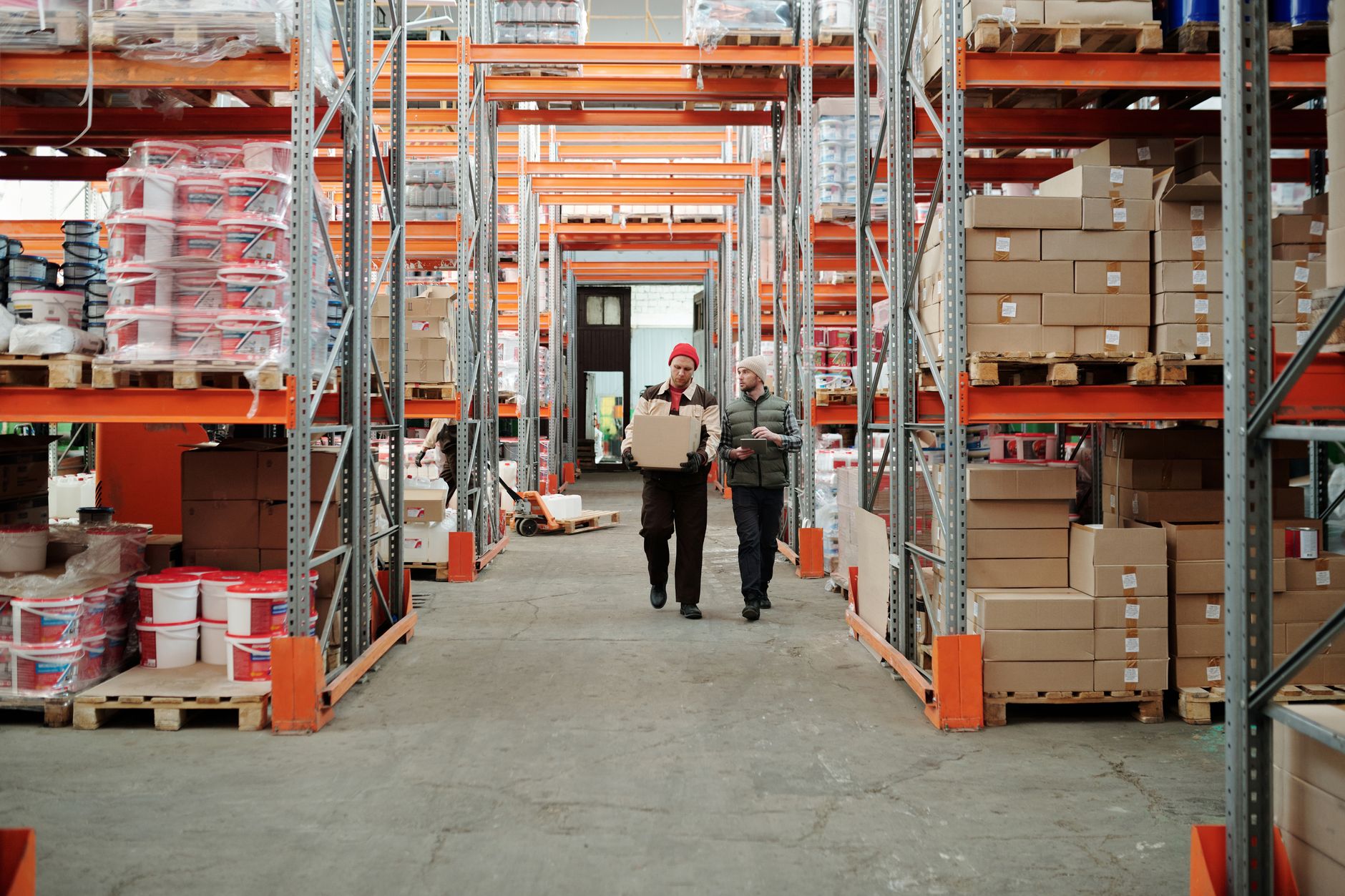
Adoption is growing in plans more than in practice. According to the MHI 2025 Industry Outlook Survey, the share of firms planning to evaluate autonomous mobile robots and automated guided vehicles rose from 20 percent in 2023 to 30 percent in 2025. The same survey found that firms actually using those systems declined compared with 2023.
Investment intent is stronger than deployment. The MHI 2025 Annual Report, with its survey fielded at the end of 2024, says 55 percent of over 700 respondents are increasing investment in supply chain technology. The budget conversation is active, while the operating data suggests many firms are still testing before they commit to a wide rollout.
For a beverage distributor, the practical read is to treat automation as a staged project with a measured pilot, not a whole-building switch. Trade coverage of the national beer distributor association reports about 3,300 licensed, independent members across every state, so the operating model is common across the country. Note that this figure covers beer distributors, which may differ from your mix of products.
How does getting a robot leased and deployed work with us?
We are an OEM-neutral integrator, so we choose the pallet robot that fits your route rather than the one a single manufacturer sells. We lease the unit through financing, deploy and integrate it, train your staff and service it for the life of the lease. One partner covers the whole lifecycle, not several vendors on one dock.
The first step is free. A site assessment maps the route, measures doors and dock plates, checks floors and traffic, and reviews the outbound schedule with your dispatch team. The lease quote comes after that assessment, so you see terms tied to your actual site rather than a generic offer.
Our service plan covers on-site dispatch, remote triage and emergency response across the states we service, backed by regional service engineers. For a dock, a faulted unit should trigger a fast call and a documented manual fallback, not a stalled shift. Ask for a pilot scope on one route before you commit to more units.
Frequently asked questions
Upcoming warehouses & 3pl events
Want a robot at your beverage distribution docks?
Tell us about your site. We will recommend the robot, quote the lease, and keep it serviced.
Sources
- Bureau of Labor Statistics Occupational Outlook Handbook, material moving machine operators
- Fleet industry article on forklift operator turnover
- Trade coverage of the national beer distributor association convention
- MHI 2025 Industry Outlook Survey article
- MHI 2025 Annual Report release
- BLS fatal occupational injuries from forklifts, 2017 factsheet
- CDC NIOSH analysis of forklift fatalities, 1980 to 1994
- NIOSH alert on separating pedestrian and forklift traffic (archived)