
Key takeaways
- Large hard-floor data halls need steady floor care between maintenance work, and that routine suits a floor cleaning robot.
- Floor passes in a data hall are repetitive, easy to map and easy to schedule, which is where a robot fits best.
- A robot takes routine passes off staff so people can keep their attention on racks, cabling and maintenance.
- Savings depend on the hours a site already spends on floor passes, so a site assessment measures them first.
- Robots are leased through financing, and the payment comes in a quote after a free site assessment.
How can cleaning robots for data centers help?
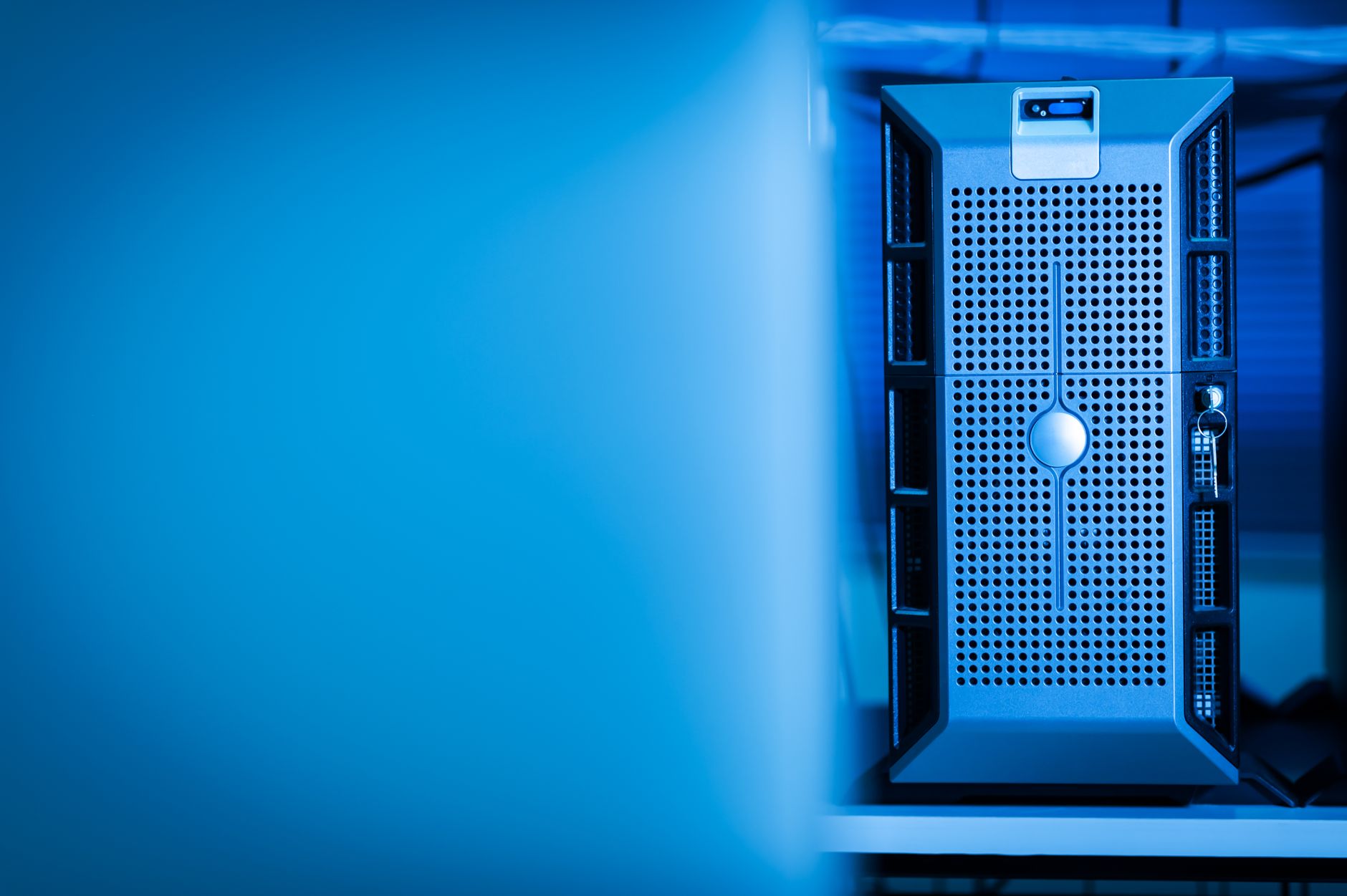
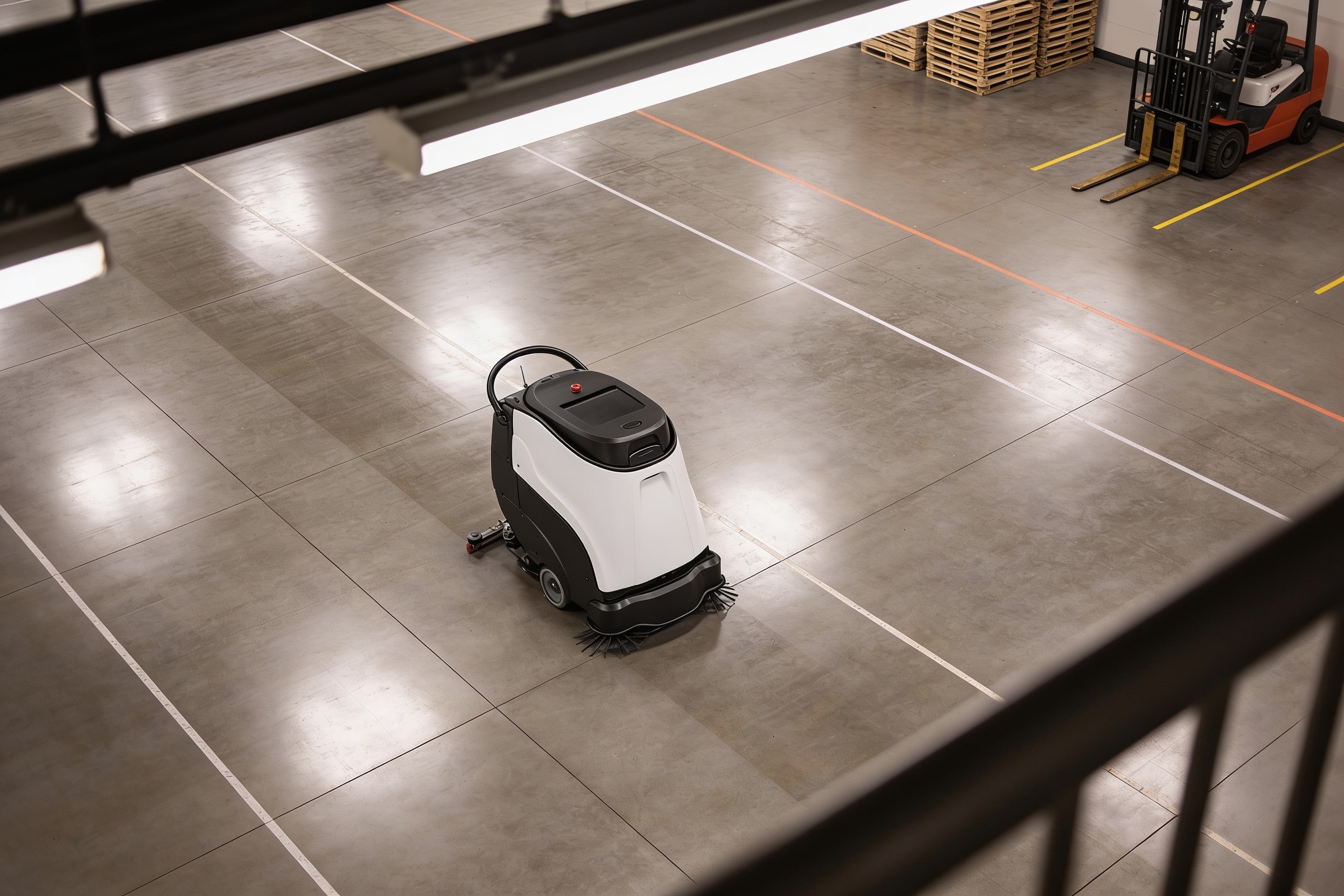
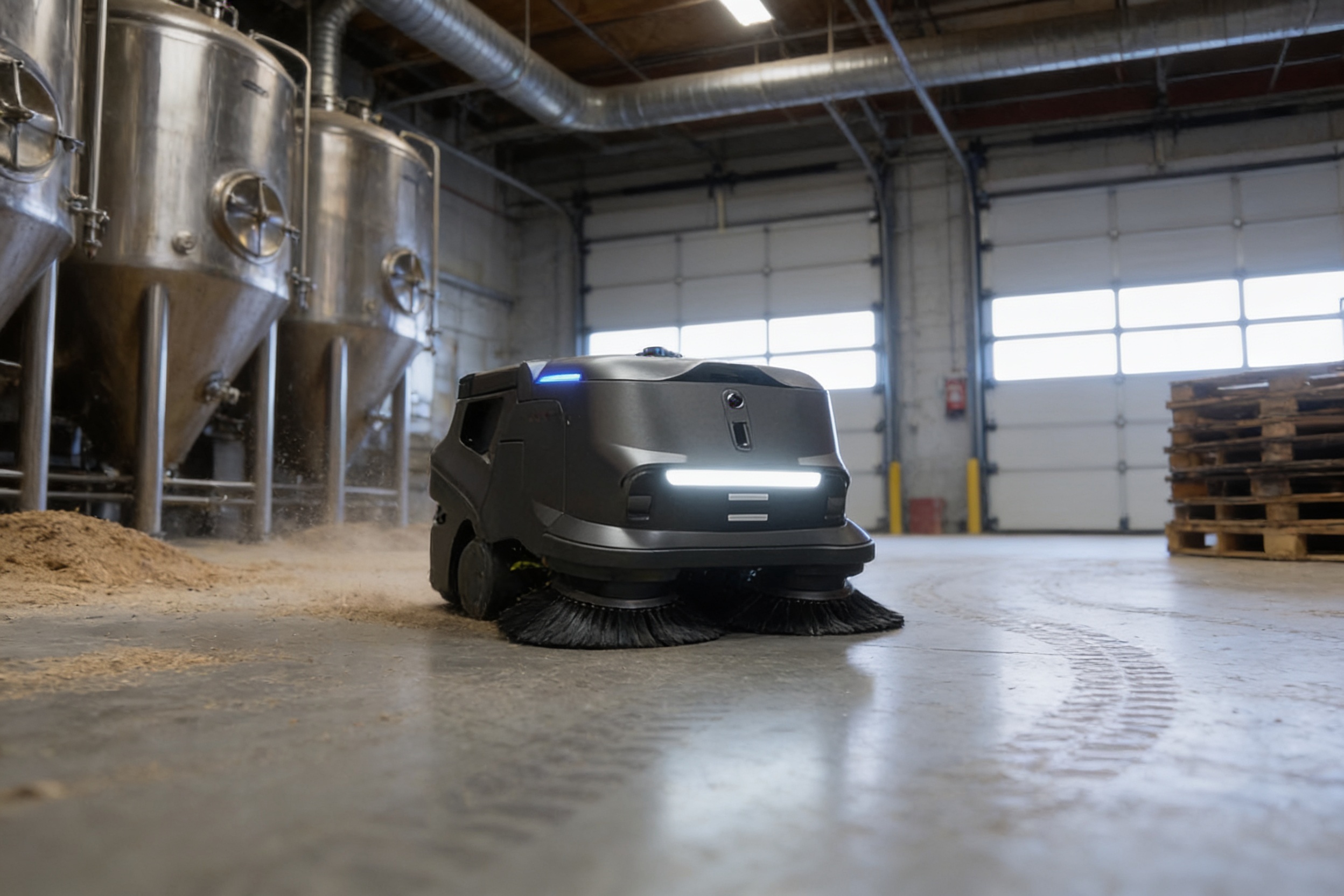
Cleaning robots for data centers take on the repeat floor passes that keep large hard-floor halls clean between deeper maintenance work. A floor cleaning robot follows a mapped route on a set schedule, covers open floor between cabinet rows, and returns to its dock when the pass is done. For the person who runs the facility, the gain is steady floor care that does not depend on a full roster on every shift.
The fit is strongest where the work is predictable. A data hall has long open sightlines, few obstacles compared with a retail floor, and traffic that can be planned around. Those conditions let the robot run the same route every night and make coverage easy to check. The robot does not replace maintenance technicians, electricians, or the people who manage cooling and power.
The practical test is simple. If the floor is large, open and scheduled, the robot can take those passes. A site assessment confirms that fit before any lease is discussed.
What floor care problem do data halls face today?
Data centers run around the clock, yet their floors are often cleaned in narrow windows. Large hard floors collect dust and debris, and upkeep has to fit around cooling work, deliveries and equipment moves. According to the U.S. Bureau of Labor Statistics, many janitors and building cleaners work evening hours because buildings are cleaned while empty. Data halls are often busy with maintenance visits, so clear windows are harder to find.
Staffing makes the problem harder. According to the 16th Annual Global Data Center Survey, published in 2026 and drawing on more than 800 owners and operators, more than half report difficulty finding qualified candidates for open positions. A December 2025 update from the same research group found that almost a quarter of respondents name staff retention as their greatest challenge. When the team is short, routine floor passes are often the first task to slip.
The number of facilities is large. A US data center directory summary, shared through DCGeeks, lists 4,703 US data centers. A forecasting summary that cites DataCenterMap reported 4,408 live sites on June 19, 2026, and about 4,423 on June 25, 2026. Counts differ by directory, date and definition, and some include planned sites, so treat any single figure as a snapshot. According to The Kobeissi Letter, as reported by a data news site, about 90 operating US data centers require more than 100 MW, a record.
What are the main benefits?
The benefits are mostly about consistency and freed hours. These are the gains operators in this setting tend to notice first.
The raised-floor problem shows why this matters. According to the background of a patent for a raised-floor vacuum robot, about 20 to 30 percent of floor panels should be removed to clean the whole raised-floor surface thoroughly. That is a lot of lifting by hand. A robot that covers open slab and clear aisles takes on the open-floor passes that can be scheduled, while lifting panels stays with the team.
- Passes run on a fixed schedule, so coverage does not swing with who is on shift.
- Routes are mapped once, so the same open floor is covered on every run.
- Routine passes move off staff, leaving people free for work that needs judgment.
- Coverage is easier to check against a schedule than against memory of a busy shift.
How does the robot work day to day?
Deployment starts with mapping. The integrator walks the site, marks the open floor, cabinet-row aisles, doors and no-go zones, and sets the routes. Staff confirm the rules, including which rows are off limits, which doors the robot can use, and what happens when a path is blocked.
Once live, the day runs on a schedule. The robot makes its passes in low-traffic windows, returns to its dock for charging, and flags any path it could not complete. A person checks each flag and clears the cause, such as a cart or a cable, before the next run.
The pattern below is typical. The site assessment adjusts the times to the room, the traffic and the maintenance calendar.
Which areas does the robot work in?
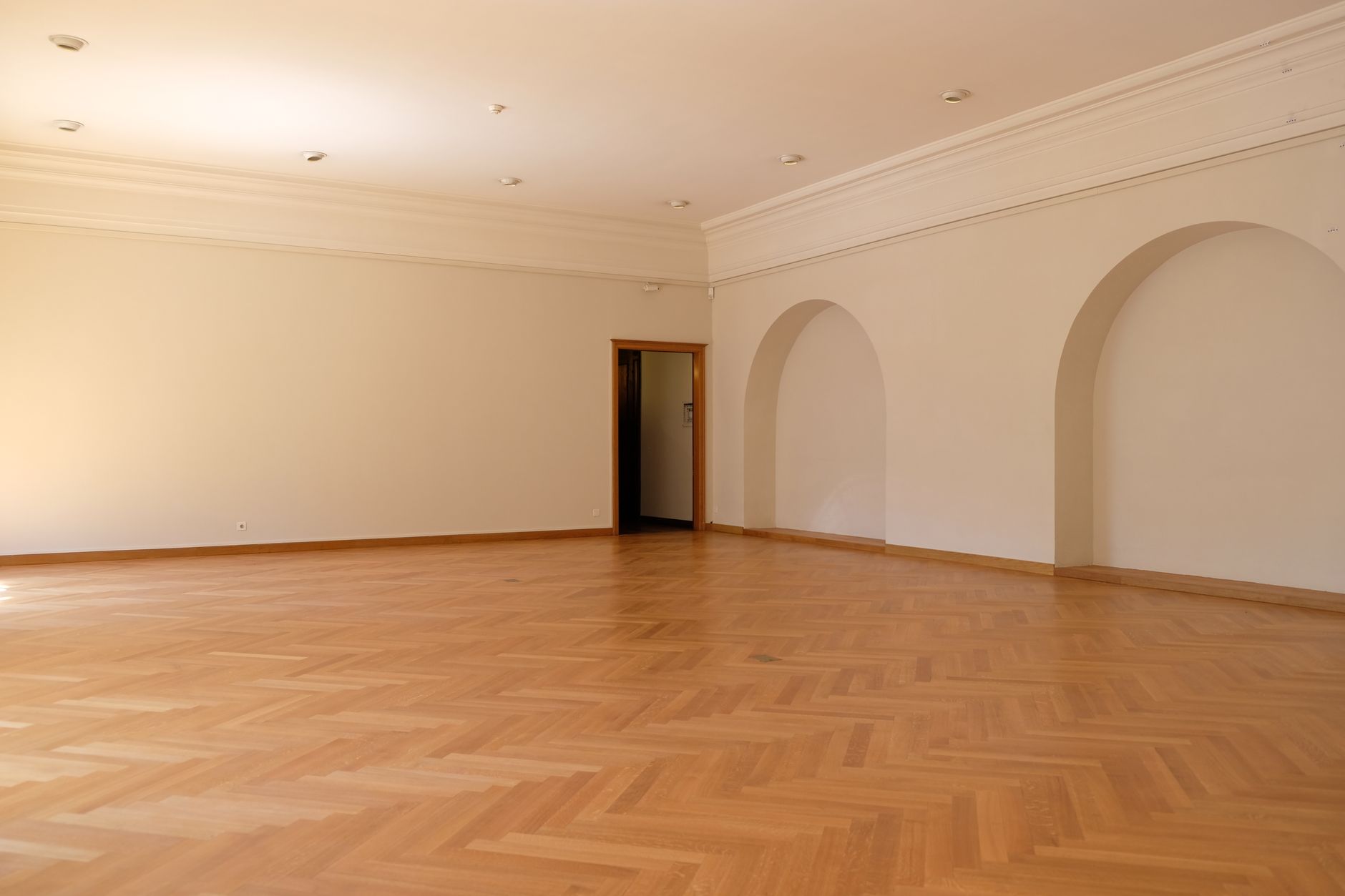
The robot suits large open hard floors and the paths that connect them. It does not lift floor panels, work inside cabinets or handle cable runs, so those areas stay with the team. The zones below show where it usually works in a facility of this type, with the limits built into each one.
Each zone is set during the site assessment, and the team can add or remove zones after the first weeks of runs.
How does it work alongside existing staff?
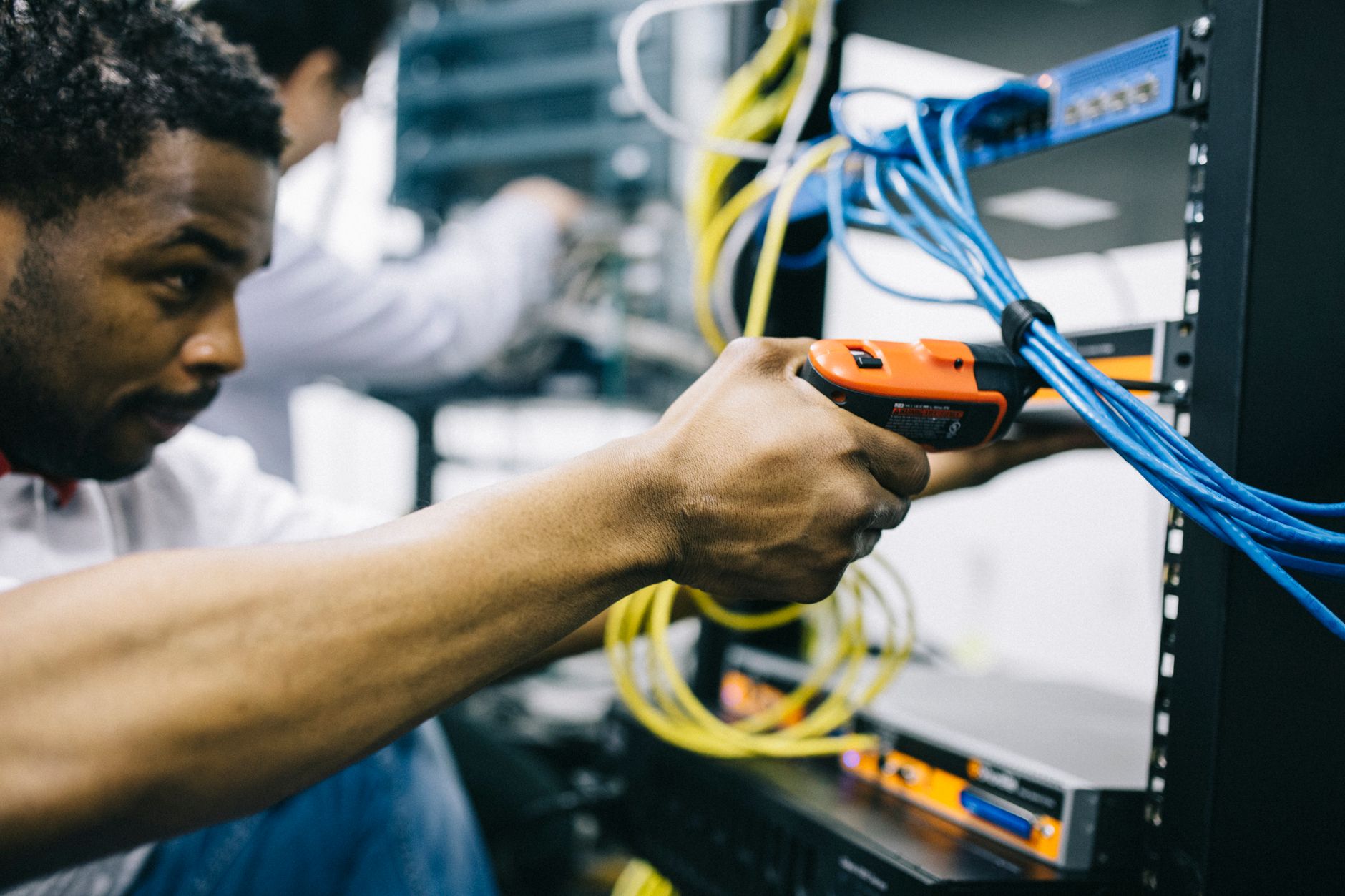
A robot is a supplement to the team, not a replacement for it. The model is a robot plus a smaller team, never a robot alone. Technicians stay on racks, power and cooling, while the robot covers floor passes on a schedule that does not depend on a full roster.
Training matters more than most people expect. As a US commercial robot integrator, we train the staff who run the robot as part of deployment, covering how to clear a path, how to pause a run and when to call for help. The people who know the room decide which areas are off limits and which tasks stay manual.
Staff also keep control of schedule changes. When a maintenance window or a delivery moves, the team updates the run plan, so the robot works around the room rather than through it.
What drives the savings?
The savings come from hours the site already spends on repeat floor passes, and from the time those hours free up for work that needs a trained person. We do not have a sourced hours range for floor care in data halls, so we do not quote one here. The site assessment measures existing hours, the floor area in scope and how often passes run, so any estimate comes from your room rather than a general figure.
The labor side also reflects the hiring picture. The U.S. Bureau of Labor Statistics projects employment of janitors and building cleaners to grow 3 percent from 2023 to 2033. That is modest growth, and where a roster is short, a robot keeps floor coverage steady while the team works on hiring.
What can the robot not do?
A floor cleaning robot has clear limits, and an honest plan states them early. It does not lift raised-floor panels, so that lifting stays with people. It does not clean inside equipment, handle cables left in its path or deal with spills of hazardous material. It needs clear, mapped routes, and it depends on staff to clear obstacles and to pause runs during maintenance.
It also does not replace the wider maintenance program. Deep cleaning, subfloor inspection and any work touching cooling or power stay with qualified people. A good site assessment names these limits before the robot is scheduled, so the team knows what to expect on the first day.
How do you get started?
Getting started with cleaning robots for data centers begins with a free site assessment. We walk the room, map the routes, identify the no-go zones and measure the floor area in scope. From that we select the right robot for the site and quote a fixed robot lease payment through financing. The payment comes in the quote after the assessment, and it reflects your room.
We are a US commercial robot integrator. We pick the right robot for the site, lease it through financing, deploy and integrate it, train your staff, and service it nationwide. If you want to test the fit first, start with one unit in one room, then decide on expansion once the results are in. Compare any lease quote against your existing staffing and maintenance plan, not against a general figure.
Frequently asked questions
Want a cleaning robot at your data center?
Tell us about your site. We will recommend the robot, quote the lease, and keep it serviced.
Sources
- U.S. Bureau of Labor Statistics, Occupational Outlook Handbook: Janitors and Building Cleaners
- DCGeeks, list of data centers in the USA by state
- Futuresearch, DataCenterMap live count summary
- 16th Annual Global Data Center Survey, 2026
- December 2025 staffing survey highlights
- Patent background, raised-floor vacuum robot (US9888820)
- Let's Data Science, report on large US data center count