
Key takeaways
- Autonomous forklifts for plant nurseries take repeat container, media and pallet moves off the spring rush crew.
- Nursery labor is still the biggest challenge, according to Nursery Management's 2025 survey.
- The robot works best on paved, mapped routes with people kept clear of marked paths.
- No independent study we found measures hours saved per shift, so the site assessment measures your own baseline.
- The lease is financed, and the payment comes in the quote after a free site assessment.
See what a autonomous forklift costsRun the numbers in the ROI calculator
Can autonomous forklifts help a plant nursery during spring rush?
Yes, where the work is heavy, repetitive and easy to route. Autonomous forklifts for plant nurseries fit the big moves that crowd the spring rush: filled containers pulled from field blocks to staging rows, bulk growing media unloaded from delivery trucks and moved to the mix pad, and pallets of finished stock staged for the dock. These loads are heavy and frequent, and they follow much the same path from one day to the next, which is the kind of work a robot handles well.
The fit depends on the yard itself. Paved or well-maintained routes, a yard that can be mapped, and a clear rule for where people walk and work all make a robot practical. Soft, uneven or constantly shifting ground may call for another approach, and we say so during the site assessment rather than promising more than the site allows.
A robot does not replace the crew. It takes the repeat moves so the people you have can spend spring on potting, grading, watering, pest checks and loading orders. That is the practical benefit, and it is the one we plan around.
How many nurseries face this, and how hard is it to staff them?
According to the USDA National Agricultural Statistics Service, the 2024 Census of Horticultural Specialties counted 23,060 horticulture operations in the US, and nursery stock was the largest category, at about 30% of all horticultural sales. That is a large group of yards that move heavy stock and media across their grounds every season, so the labor question in this guide is a common one.
Staffing is the harder part. According to Nursery Management's 2025 State of the Industry survey, published in October 2025, labor is still the biggest challenge for nurseries. The survey covered 134 of its most engaged nurseries, and many of them had added staff since the year before.
The shortage is not new. A 2022 horticulture industry survey, reported by Greenhouse Grower, found that nearly two-thirds of respondents could not hire all the employees they wanted during 2021. HortScience reported, from a survey conducted in 2021, that more than 65% of surveyed US nurseries increased worker wages and more than 55% adopted automation to address labor shortages.
Where do the hours go at a nursery today?
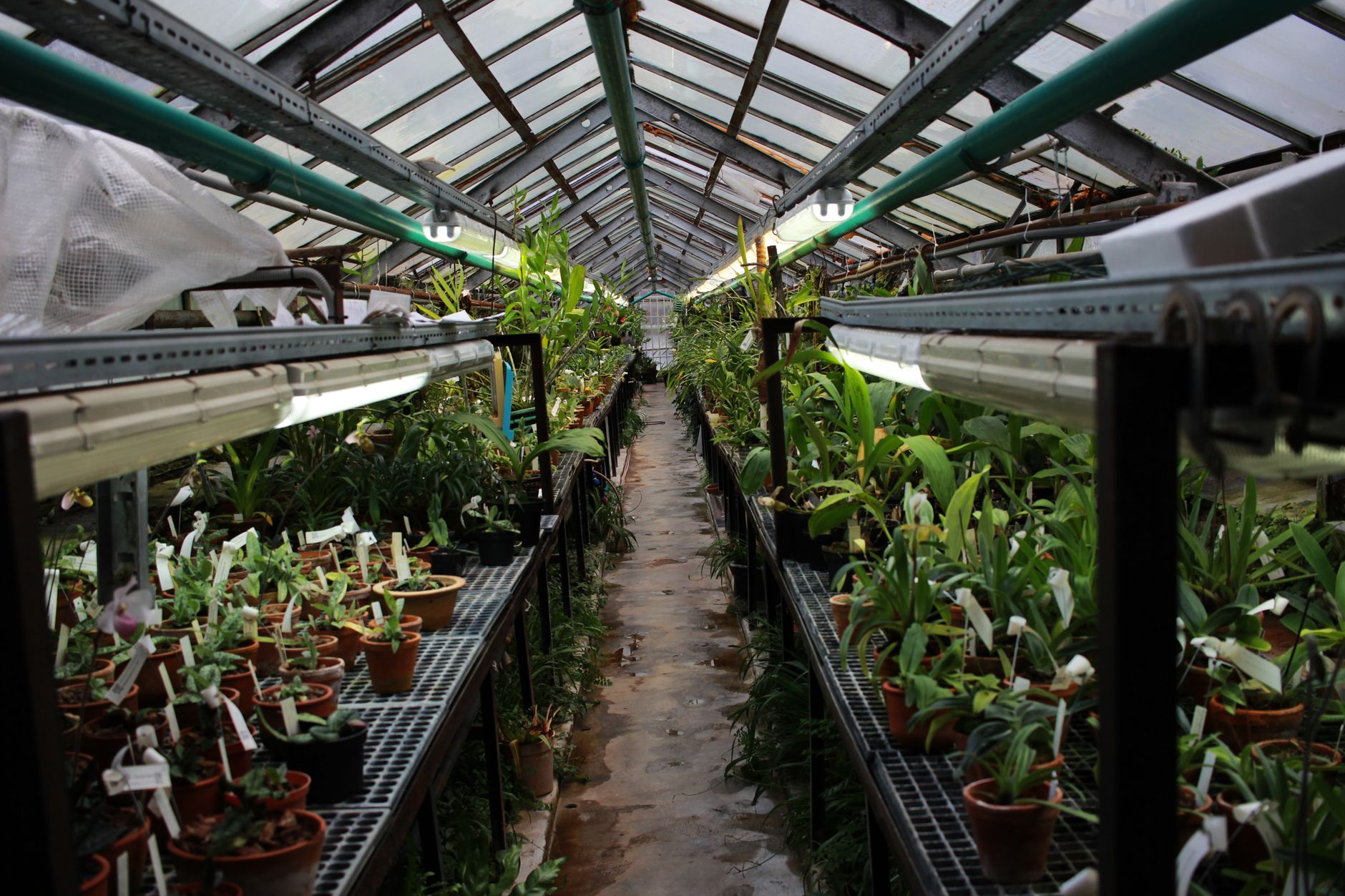
In a typical nursery yard, the people who grow, water and sell the stock also move it. Filled containers are carried, pushed or hauled by hand, bulk media is unloaded and wheeled toward the mix area, and pallets wait at the dock until someone can take them to the truck. Each move is short, but the total adds up across a shift, and it lands on the people you need in the field.
Spring makes it worse. Orders stack up, trucks arrive early, and a crew that normally handles moves in short bursts ends up hauling stock all afternoon. Overtime, rushed loading and tired workers follow, and so does product damage when a pot is knocked over or a pallet is set in the wrong row.
We could not find an independent study that measures how many hours a nursery spends on these moves per shift, so this page does not put an hours figure on the problem. The site assessment is where we measure your own baseline, because your yard layout, your peak weeks and your crew size decide the numbers that matter.
What are the main benefits for a nursery?
The first benefit is steady flow in the peak weeks. A robot runs the same route at the same pace on the day the crew is short, so moves keep going when people are out or busy. Stock reaches the staging rows and the dock on schedule, which matters when a truck is already waiting.
The second is crew time. Hours that went to hauling move back to growing, grading, pest scouting and selling. With labor hard to fill, that protects the work only your people can do well.
The third is order in the yard. Marked paths and a fixed route keep people out of the robot's way, and a predictable route makes it easier to know where stock is and where it should be. Fewer hand-carried loads also means fewer strained backs at the end of a long spring day.
How does an autonomous forklift work in a nursery day to day?
Before the season, the yard is mapped and the routes are set. The field blocks, staging rows, media pad, greenhouse doors and dock each become a stop on a route. Your team confirms the marked walkways and the rules for where people may stand while the robot is moving.
Each shift starts with the task queue. A move is sent from your team or from the system we integrate with, the robot picks up the load, travels its mapped route and sets it down at the stop. When the move is done, it returns to its charging point and waits for the next task. Priorities can change during the day without stopping the yard.
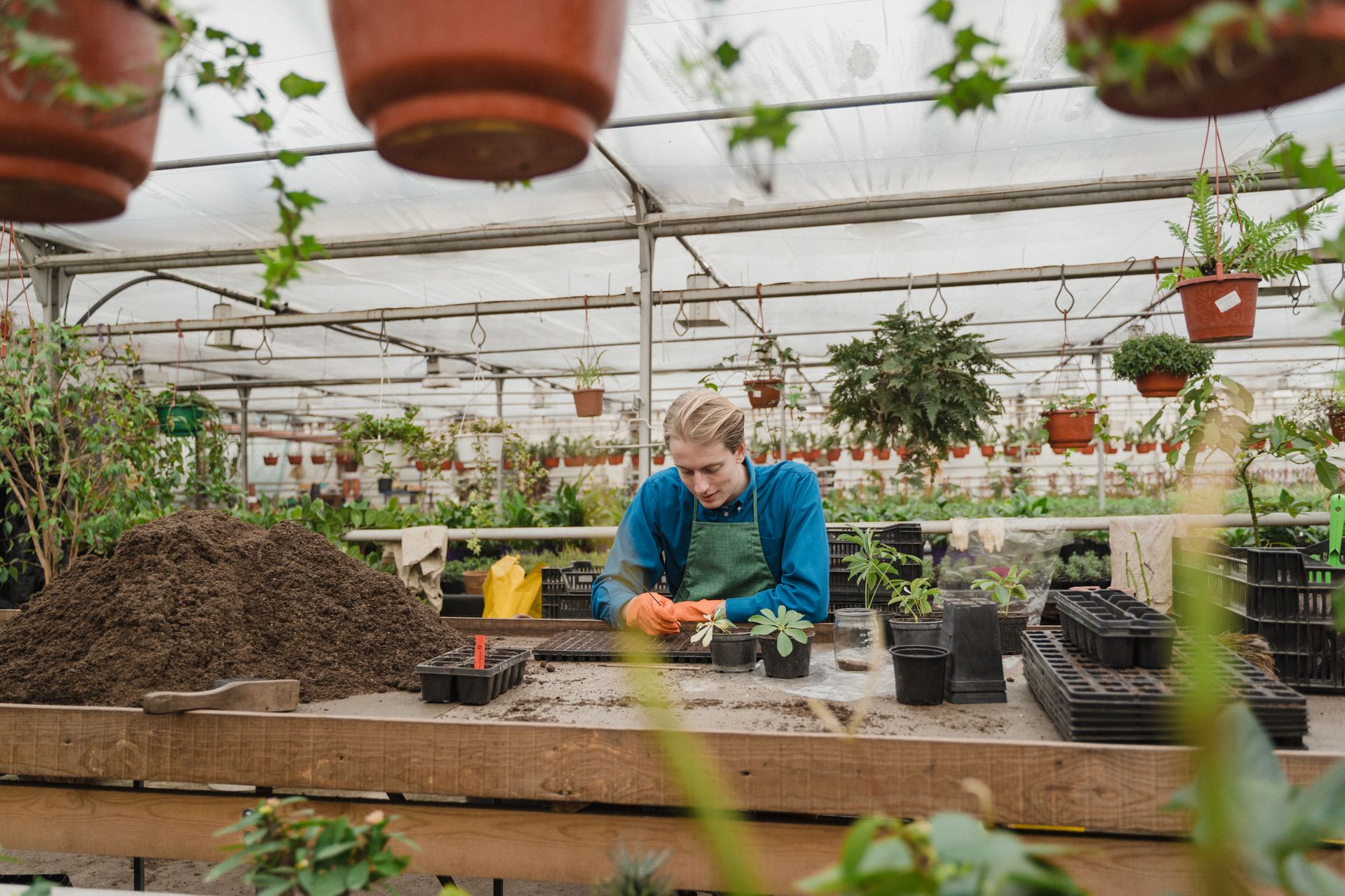
The crew's job shifts from driving to supervising. They load and unload where needed, handle exceptions, clear a blocked path and review the log at the end of the shift. We train the staff on this before go-live, so everyone knows what to watch for.
Which areas of a nursery does it cover?
The robot works best where the route is paved or well maintained, the loads are palletized or containerized, and the path can be kept apart from foot traffic. Most nurseries have a handful of areas like that, and those are where we start.
The zones below show the usual stops. Your site may have more, fewer or other stops, and the site assessment decides which routes are worth mapping first.
How does it work alongside your existing staff?
A robot does not run a nursery on its own. You keep the grower, the yard lead and the crew, and the robot takes the repeat moves. Expect a smaller team focused on the work that needs judgment, not an empty yard.
In practice, a small team supervises the robot during a shift while the rest of the crew does the planting, finishing and selling. The yard lead sets the priorities for the day, and the robot carries them out on its routes.
We train the staff to load and unload at the stops, respond to alerts and spot when a path needs clearing. Training happens before the robot goes live, and we stay close during the first days so the crew builds confidence with it.
What drives the savings?
The savings come from three things: hours of hand moves removed from the peak weeks, overtime avoided when the crew is short, and less product damage from rushed handling. Each one depends on how much of your yard's work is repeat moves, which is why we measure that first.
A useful benchmark is the trend in automation. According to HortScience, in a study published in November 2023, production tasks excluding irrigation were on average 31% automated or mechanized at container nurseries, up from 16% in the prior survey. That shows how quickly nurseries are moving toward machines, but it does not tell you how many hours your yard would save.
Vendor and customer savings claims exist, but they are often combined across labor, maintenance and equipment, or they depend on a baseline we cannot see from the outside. We would rather give you a range built from your own moves than a number borrowed from another yard.
What can an autonomous forklift not do?
It cannot handle every load or every surface. Irregular or unstacked loads, pallets that do not match the forks, and anything that needs a person's judgment about a pot or a bag still go to the crew. Work on soft, muddy or unmapped ground sits outside the normal routes and needs its own review.
It cannot run through a blocked path. An aisle blocked by stock or equipment stops the robot until someone clears it. Changes to the yard, such as new stock rows or a moved gate, need the route updated, so plan for those changes rather than assuming the map stays fixed.
It also cannot take labor to zero or fix a shortage of growers. The benefit is moves done consistently in the hours that are hardest to staff, not a yard without people.
How do you get started?
Start with a free site assessment. We walk the yard, map the routes, note the surfaces and the traffic, and talk with the crew about the moves that take the most time in spring. Nothing is committed at that visit, and the assessment shows which zones are worth automating first.
We are a US commercial robot integrator. We pick the right robot for the site, lease it through financing, and deploy and integrate it with your yard. We train your staff and service the robot nationwide. Our commercial robot leasing runs through lease financing programs, and the lease quoted after a site assessment sets the payment.
A common starting point for autonomous forklifts for plant nurseries is one leased robot on the busiest route. Running that route through a full spring season shows you the moves that matter, and it gives you real numbers to plan from before you decide on more units.
Frequently asked questions
Want an autonomous forklift at your plant nursery?
Tell us about your site. We will recommend the robot, quote the lease, and keep it serviced.