
The short answer
Delivery robot cost for hospice inpatient units depends mainly on the route the robot must cover: how far linens, supplies and meal trays travel, how many stops and wings are on the route, and which doors, floors and elevators the robot has to pass. Mapping, integration and service coverage add to the setup, and a site with long or varied routes needs more of each. Because general inpatient care was only 0.8% of hospice days in FY 2025 according to CMS, the unit's own route is the input that matters most, and a lease is quoted only after a free site assessment that measures it.
Key takeaways
- Delivery robot cost for hospice inpatient units follows route length, stops, doors and service coverage more than bed count.
- General inpatient care was 0.8% of hospice days in FY 2025 according to CMS, so plan around your own unit's routes.
- Hour figures in the research come from general hospital studies, so time your own supply runs before deciding.
- A lease is quoted only after a free site assessment, and the quote should list what is included.
What does delivery robot cost for hospice inpatient units depend on?
Delivery robot cost for hospice inpatient units depends on the work the robot has to cover, not on the robot alone. On these units that work is carrying linens, consumables and meal trays between the clean storage room, the pantry and each patient room. Two units with the same number of beds can need routes that vary widely, depending on whether rooms sit along one hallway or are spread across wings, floors and a shared service lift.
Scale gives a useful starting point. According to the CMS hospice monitoring report, general inpatient care was 0.8% of hospice days in FY 2025, routine home care was 98.8%, and the inpatient share fell from 1.0% in FY 2021. A Congressional Research Service report counts 6,706 Medicare-certified hospice agencies in 2024, up from 4,840 in 2019. No current US count of hospice inpatient units was found in this research, so the size of that category cannot be stated from the sources.
Our quote treats route length, floor surfaces, doors, elevator access, traffic and service coverage as the cost inputs. Those are measured on the unit itself, which is why we give a lease quote only after a site visit.
Which site factors raise or lower the cost of a delivery robot?
Route length is the largest input. Each added corridor, wing or floor adds mapped distance, more places where the robot must wait or turn, and more elevator calls. A unit with one straight hallway is a simpler job than one with a bend, doors on both sides and a service lift that other departments also use.
Floor surfaces and thresholds come next. Smooth hard floors keep routes predictable. Carpet, raised thresholds, ramps and worn door sills need checking, because they change what the robot can travel and how often staff must help it through. Doors with badge or keypad access need integration before go live, which is setup work a simple corridor does not need.
Traffic and shift pattern shape the route plan. A quiet overnight unit can run routes with few people in the hallway. Daytime visits, stretchers and shift changes add interruptions, so speed settings and timing should reflect the busiest hours, not the average hour. Mapping is the other major input, since the first map and every later change to rooms, doors or nursing stations need an update. The number of units and the service coverage complete the quote, because a single unit has no spare in the building when it is down.
Where would a delivery robot work on an inpatient unit?
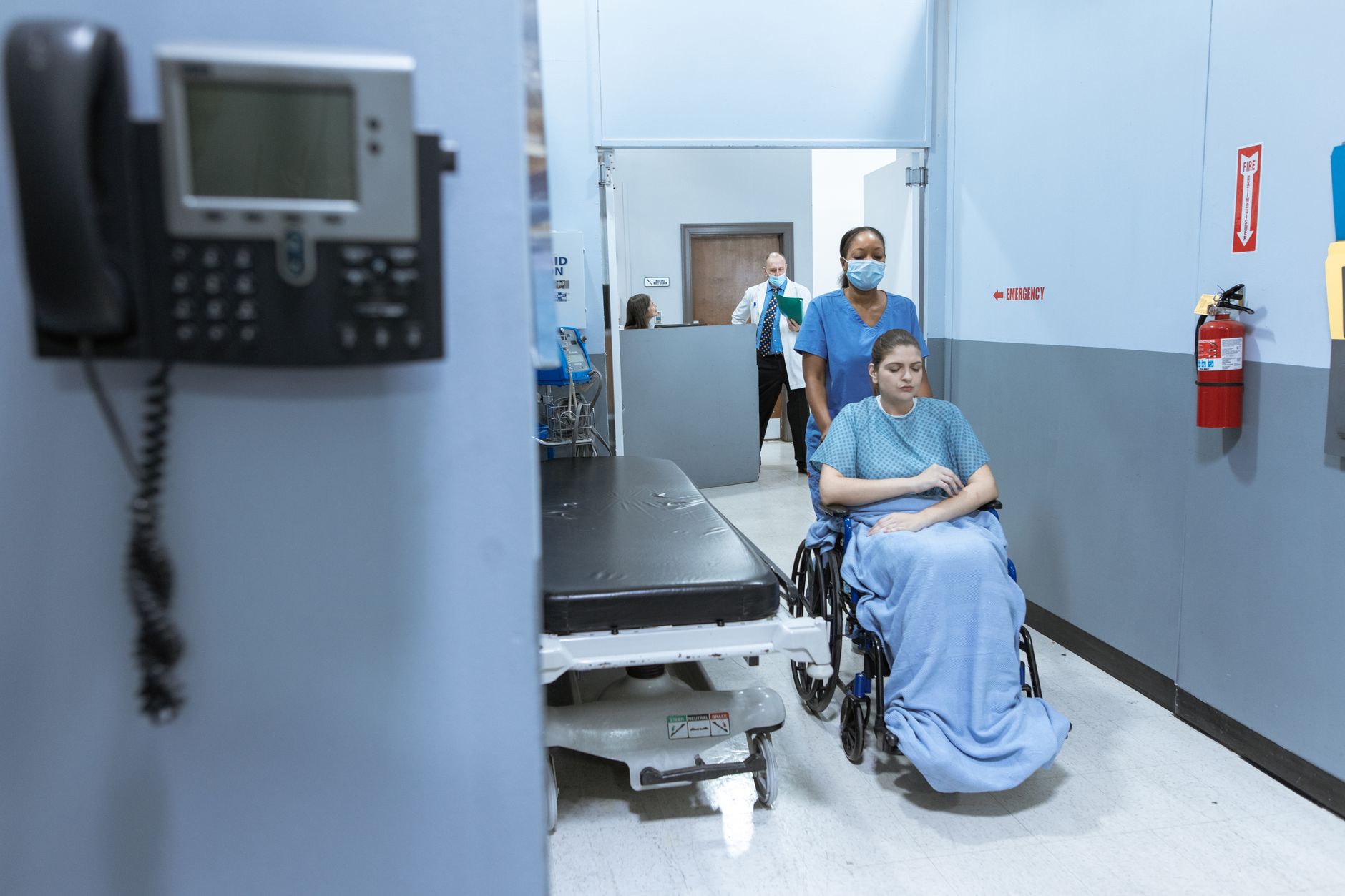
On a hospice inpatient unit, the robot's work sits in a few places. Most runs start in the clean storage room and end at patient room doorways, with the nursing station acting as the coordination point. The pantry and meal area is a common staging spot, and the elevator matters when supplies come from another level.
The robot should not be inside patient rooms during care, and it should not stop in the path of stretchers or family members. Routes are normally planned to end at doorways and bays, so staff come to the robot rather than the robot moving through the room. Quiet areas such as family rooms are kept off the route where the facility asks for it.
Soiled linen and used items need their own path. Keeping clean supply runs apart from soiled returns reduces cross contamination risk and follows the facility's infection control rules, which the facility sets and the route plan is built around.
How many nursing hours does a delivery robot take over?
No hospice-specific figure for supply-run time was found in this research, so the hours in this section come from general hospital studies. Read them as context for a timing study on your own unit, not as a forecast for it.
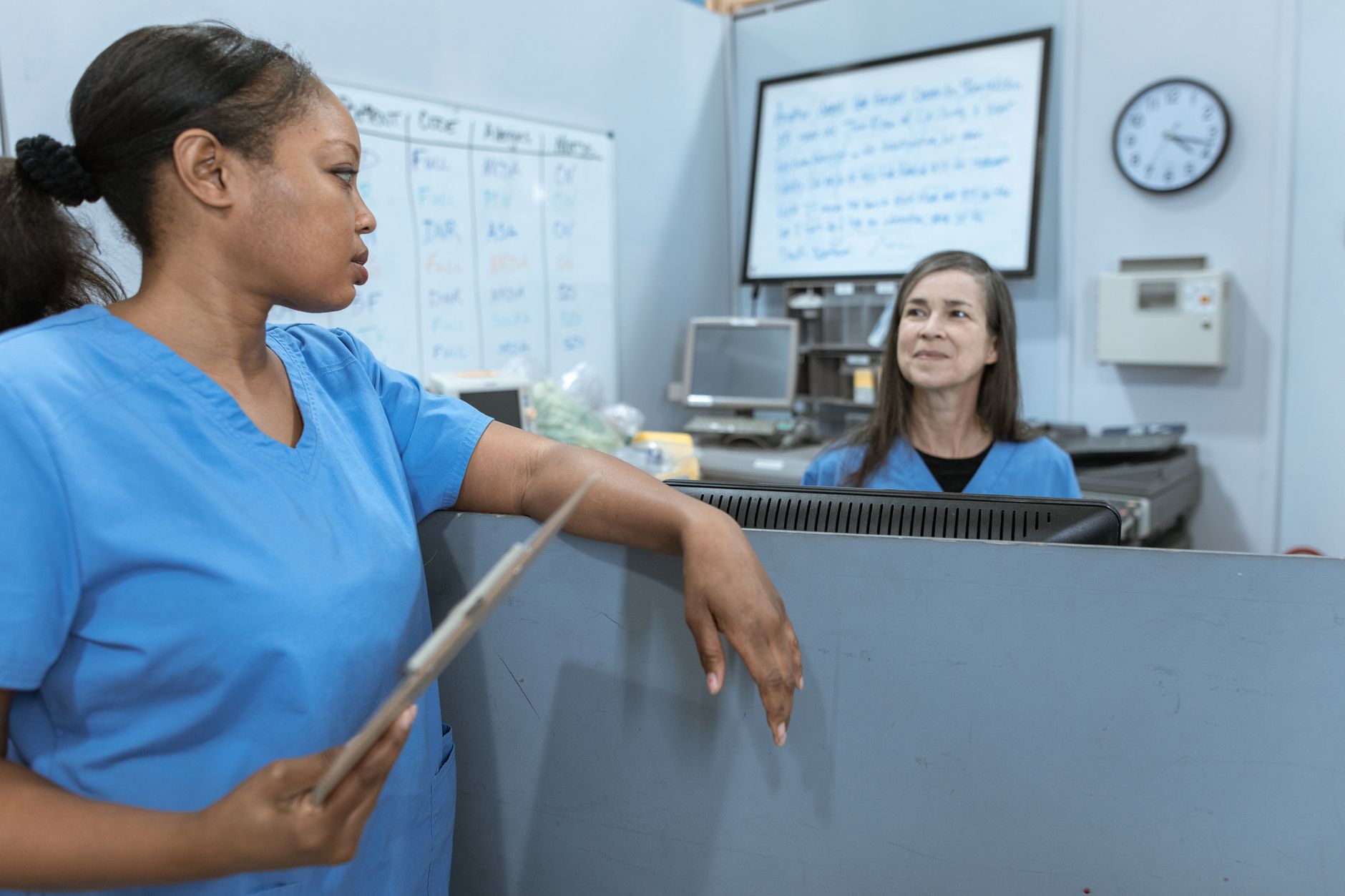
According to a healthcare staffing survey of more than 1,600 nurses, about three-quarters spend at least three hours of a 12-hour shift on tasks including paperwork and walking to supply areas. A multicenter time-and-motion study of 36 hospitals, cited in a 2025 Japanese nursing journal, reported a median walking distance per 10 hours of 4.8 km on day shifts and 3.5 km on night shifts.
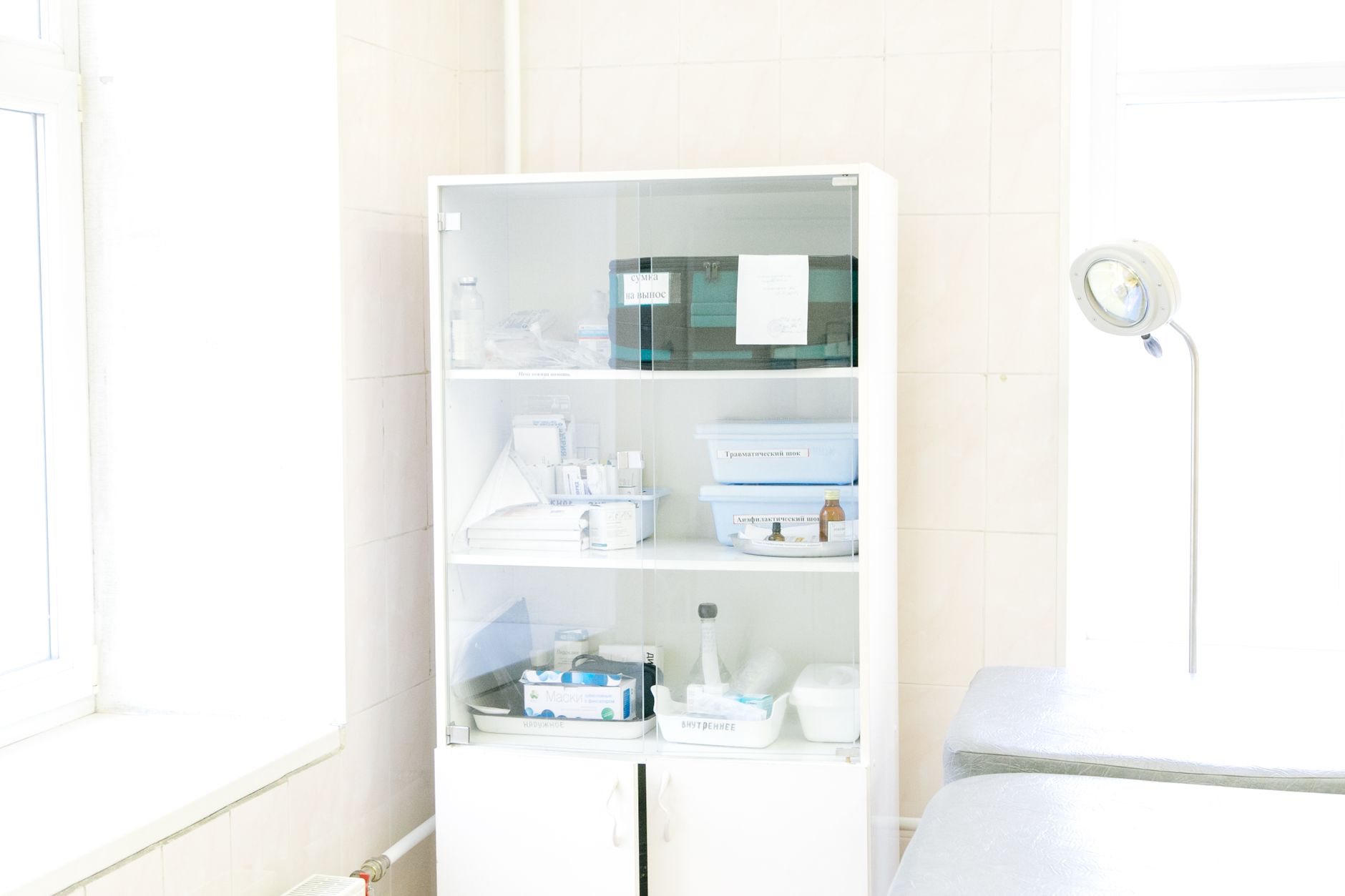
A Singapore hospital report, based on internal observation and not peer-reviewed, found that 28% of nursing activities involved walking to the storeroom for consumables. After supplies were moved closer to patients, one trip fell from two minutes to 30 seconds. Trips of that kind are what a clean storage room and a scheduled route can shorten.
How does leasing a delivery robot through financing work, and what does the quote include?
Robots are leased through financing, so the facility does not fund the equipment up front. The lease carries a fixed robot lease payment over the term, and that payment is quoted after the free site assessment, once route, surfaces and service needs are known. Lease length, number of units and service level are the variables that set the figure.
A complete quote should show the lease term, the payment, what deployment and integration include, staff training, go live support, maintenance and the response terms for a unit that is down. It should say whether a spare or loaner unit is available during repairs. Ask in writing whether insurance and liability coverage are included or required by the lease.
We pick the right robot for the site, lease it through financing, deploy and integrate it, train the staff and service it nationwide. One partner handles the whole arrangement, so the people who mapped the route are the ones who answer when a path needs changing.
What can a delivery robot not do on a hospice inpatient unit?
It cannot give care. A delivery robot does not administer medication, lift or turn a patient, check vital signs or answer a call light. Those tasks stay with nursing staff, and the robot's job is to remove the walking around them.
It also has physical limits. It cannot climb stairs or open a door that has no integration, and it cannot clear a blocked route on its own. Stretchers, family members in a hallway and staff carrying equipment change the path, so the robot waits or reroutes. A narrow corridor may need a changed route plan rather than a faster robot.
Injury data does not prove a robot prevents injuries. BLS reports a days-away-from-work rate of 120.4 cases per 10,000 full-time workers for exposure to harmful substances or environments among private industry registered nurses in 2021 to 2022. Those data do not isolate lifting or walking, so any injury benefit should be measured after go live, not promised before it.
How do you get a quote after a free site assessment?
The process starts with a free site assessment. We walk the unit, measure route length and stops, check floors and thresholds, note doors and elevators, and time the supply runs with the nursing team. The map is built or confirmed during that visit.
The quote comes after the assessment, so it reflects the actual floor rather than a generic plan. Bring the shift pattern, the linen and supply delivery schedule, and a list of doors that need access integration. Those three items shorten the assessment and tighten the quote.
Once the lease is signed, deployment and integration run in phases so the unit keeps working. Go live support covers the first shifts, and nationwide service handles repairs and route changes after that.
Is a delivery robot worth it for a hospice inpatient unit?
The answer depends on whether the walking on your unit is large enough to free real nursing time. Start by timing a week of supply runs, counting trips, distance and wait time at the storeroom. Compare those hours with the shifts that most often run short.
Staffing pressure is real across nursing. BLS reports 3,391,000 registered nurse jobs in 2024 and projects about 189,100 openings per year, most from replacement rather than growth. A consulting firm's analysis, reported in hospice trade press, linked turnover of 10% or less to margin growth and higher turnover to margin declines. A survey by LeadingAge and a consulting firm, as reported in trade press, found most hospices reported 16% to 20% turnover over the prior 12 months. An NHPCO newsletter from 2015 gave 10.2% RN turnover at home health and hospice agencies, a dated figure.
A robot does not solve staffing, but it can keep a short shift from losing time to carrying. Judge the decision on timed data from your own unit rather than on general claims, including ours.

Frequently asked questions
Want a delivery robot at your hospice inpatient unit?
Tell us about your site. We will recommend the robot, quote the lease, and keep it serviced.
Sources
- CMS hospice monitoring report
- Congressional Research Service report R49060
- BLS Occupational Outlook Handbook, registered nurses
- BLS nonfatal injuries and illnesses to nurses, 2021 to 2022
- Japanese nursing journal study of walking distance, 2025
- Singapore hospital report on nursing walking time
- NHPCO NewsLine, Summer 2015
- Hospice trade press report on turnover and margins