
The short answer
Cobot cost for cannabis processing facilities depends less on the arm than on how often batch formats change, how many stations need integration, and how much service coverage the site needs. Those variables set the lease quote, which we issue after a free site assessment. Staff time for changeovers matters as much as the hardware, so measure it before comparing options.
Key takeaways
- Batch and format changes move cobot cost more than the arm itself does.
- Integration with existing equipment and tracking data is the cost most often missed.
- The lease quote comes after a free site assessment, with every line itemized.
- Measure changeover and packing time on your own floor before comparing options.
- Starting with one station lets you test the work before you scale.
What does cobot cost for cannabis processing facilities depend on?
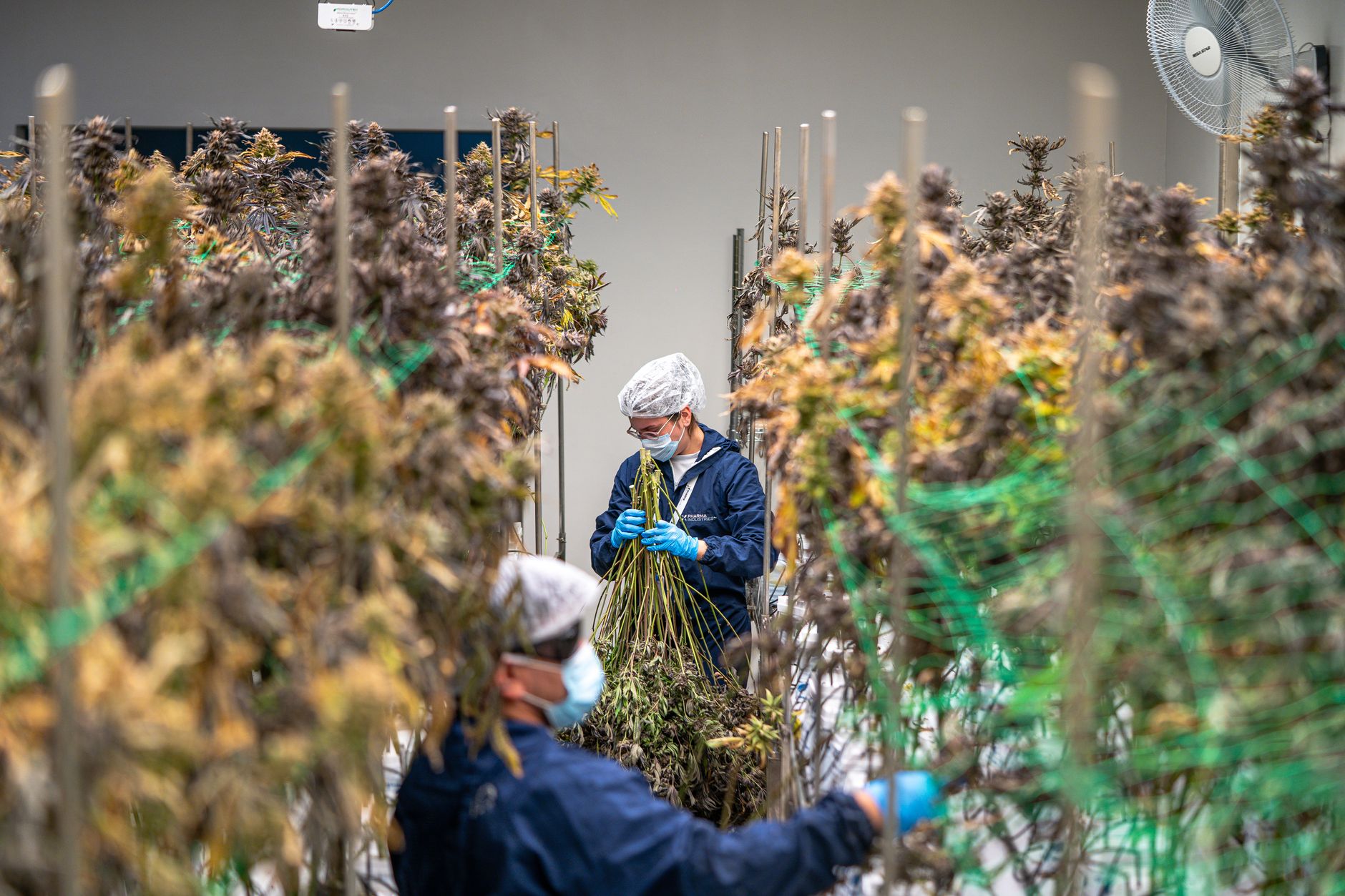
Cobot cost for cannabis processing facilities depends on the work at each station, not on a single machine figure. A collaborative arm at a packaging or tending station needs a gripper, a fixture or sensing where the product varies, a mounting point, a program, and a plan for the staff who work beside it. The total moves with how many of those pieces each station needs and how often they change.
Collaborative arms are built to share space with people, so they suit stations where staff load containers, clear trays and check product. Their programs can be edited between batch runs, which is the main reason they fit packaging work that changes lot to lot. Reduced guarding is not the same as no guarding. Each station still needs its own risk assessment, and that review decides what fencing, sensors or stop functions the layout requires.
The market around these sites is large and moving. According to CRB Monitor, as reprinted by Mammoth Times, active US cannabis permits fell about 2% in Q2 2025, to 37,889 licensed operators. IBISWorld estimates 48,921 medical and recreational growing businesses in 2025, up 18.4%. Marijuana Moment reported that cannabis sector jobs declined 2.7%, to about 412,500 workers as of early 2026. The Marijuana Herald's February 2025 report counted nearly 15,000 dispensaries and retail outlets, a count of retail sites rather than processing sites. These figures use varied definitions, so treat them as direction, not as a count of your own market.
How do batch size and product format change the cost?
Packaging and pick-and-place work at a cannabis processing site rarely runs the same product twice in a row. Container size, cap style, label layout and case count can all change from one batch to the next. Each change can mean a new gripper, a new fixture, a new sensing setting or a program edit, and each one takes staff time before the first good unit comes off the line.
The useful question is how many format changes a station absorbs each week, and how long each one takes. A station that changes format several times a week carries more tooling and more setup than one that holds a single format for a long run. Ask your team for a list of every format run in the last quarter, with the count of changeovers. That record is the most useful input you can give us for a quote.
Which factors raise or lower the cost at these sites?
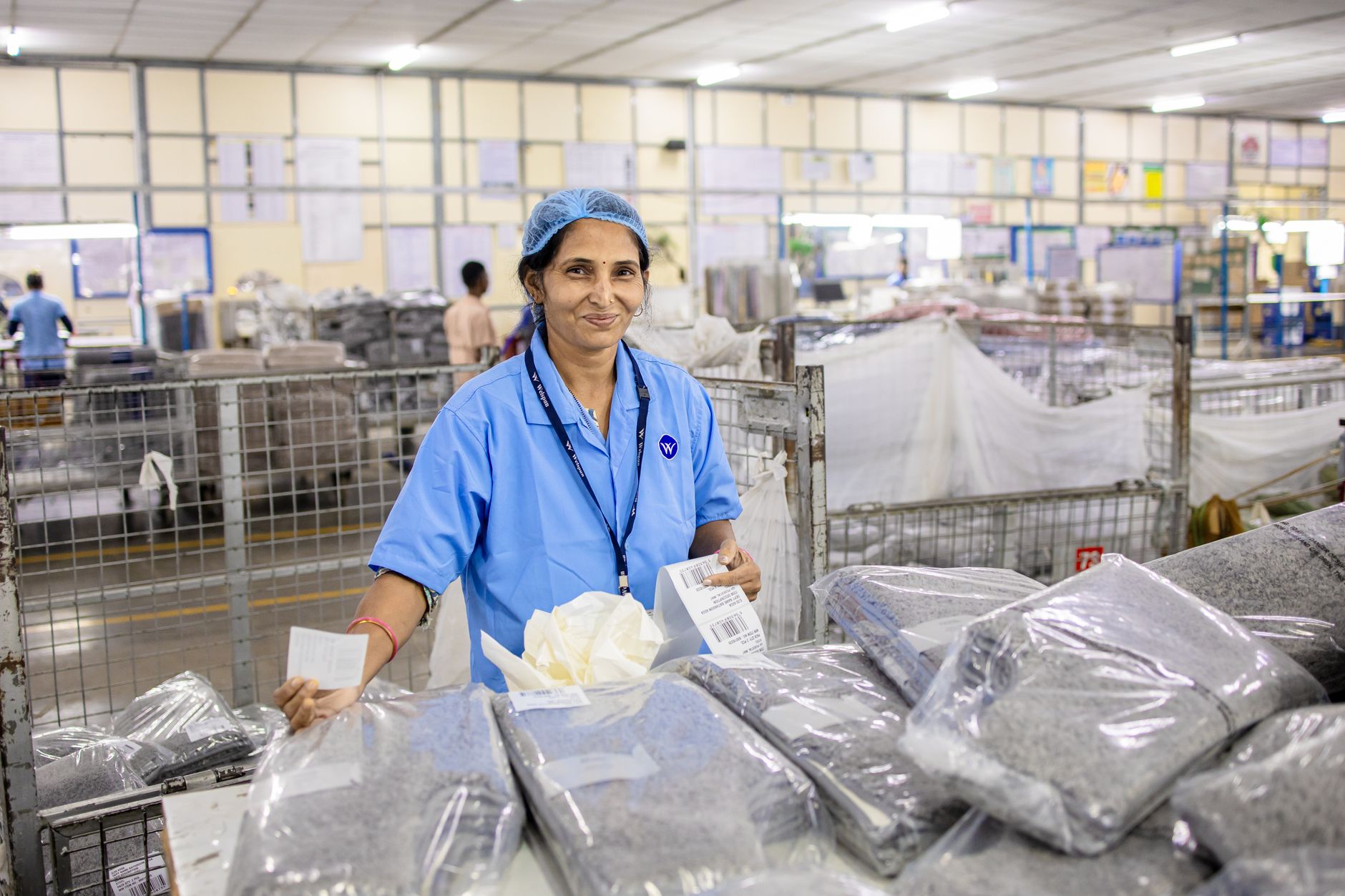
Cost tracks a short list of site facts. Station count is the most direct, because each packaging or tending station needs its own arm, risk review and integration. Floor area and layout come next. Wash-down zones, tight aisles and uneven concrete change where the arm can be mounted and how far it must reach.
Integration sits in the middle of the list. A station that talks to existing conveyors, scales, print systems or seed-to-sale tracking data needs more engineering than a stand-alone station. Shift pattern and traffic matter as well, because the people passing a station change how the risk assessment reads and therefore what the layout needs.
Service coverage closes the list. Distance to a technician, whether a spare unit is available during a repair and how fast a fault is triaged all show up in the quote, since they decide how much downtime the site can absorb.
How does leasing through financing work, and what does the quote include?
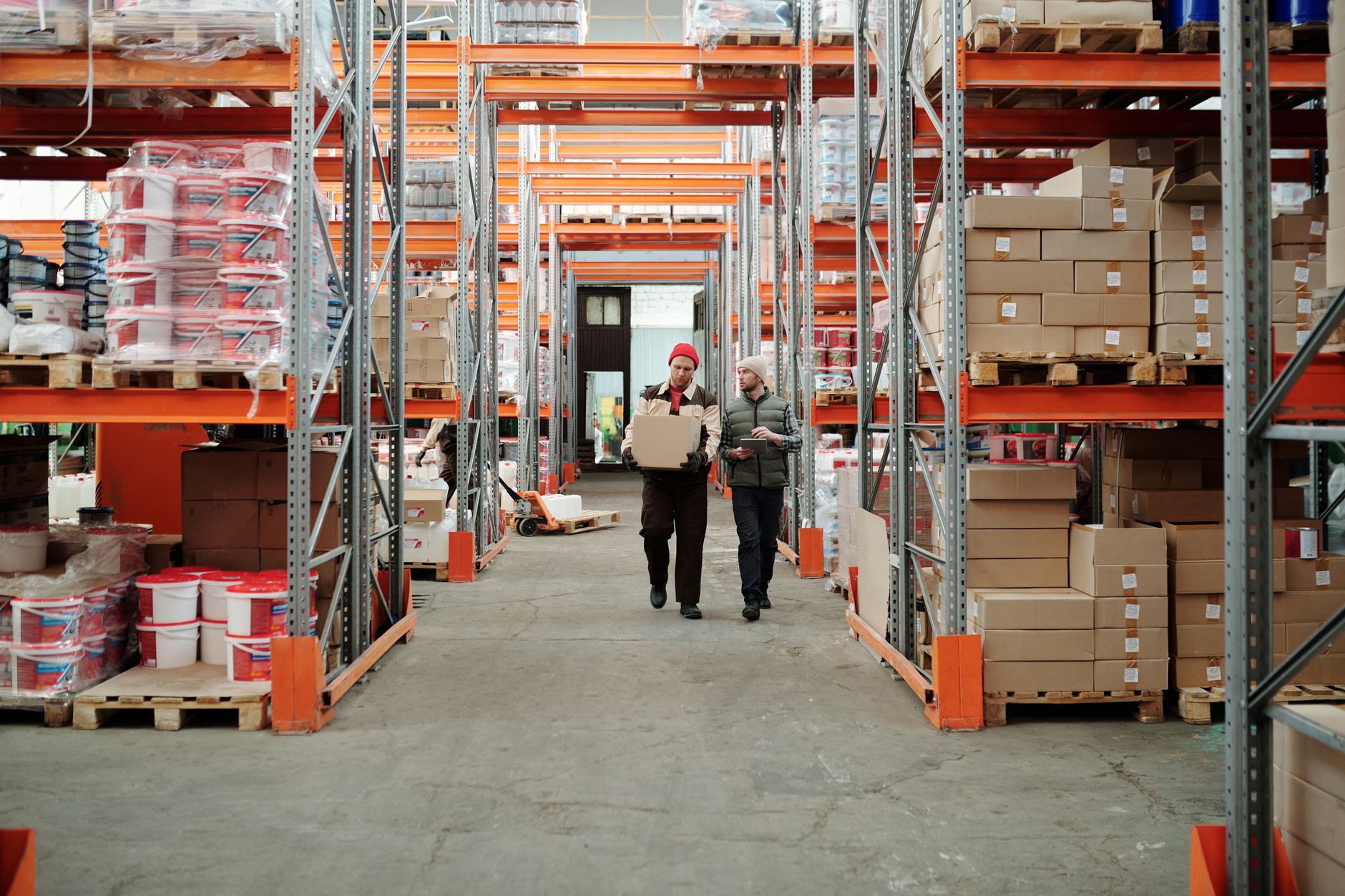
The arm is leased through financing, so the cost reaches you as a lease payment set out in the quote rather than as a single large outlay. Our team starts with the site, not a catalog. We gather the station details first, then issue a written quote that shows the lease payment next to the scope it pays for.
The quote includes the lease terms, the deployment and integration work, staff training, go-live support and the service plan. It is written after the free site assessment, so every line reflects your stations rather than an average. Ask for the end-of-term options in writing before you sign, and read them with the rest of the quote, not on their own.
How many labor hours does a cobot take over?
A cobot takes over repetitive handling at fixed stations, such as feeding containers, placing units into cases and checking labels. Published hour figures for this exact work were not found in our research, and no breakdown of task time for cannabis processing rooms was available. The hours to plan around therefore have to come from timing your own floor.
Labor supply context helps, though it is indirect. According to the Bureau of Labor Statistics, 371,600 people were employed as packaging and filling machine operators and tenders in May 2023. That occupation spans many industries, so it shows the size of the trade rather than the work at one site. Turnover figures for cannabis are weaker evidence still. A Headset analysis dated July 2022 put average budtender turnover at about 55% over 12 months, but that describes retail staff, not the processing and packaging crews a cobot would work beside.
Use the table below as a timing guide. Measure each row for a week before any decision, then compare the result with the trained time the robot needs to run the same station.
Where do cobots fit on a cannabis processing floor?
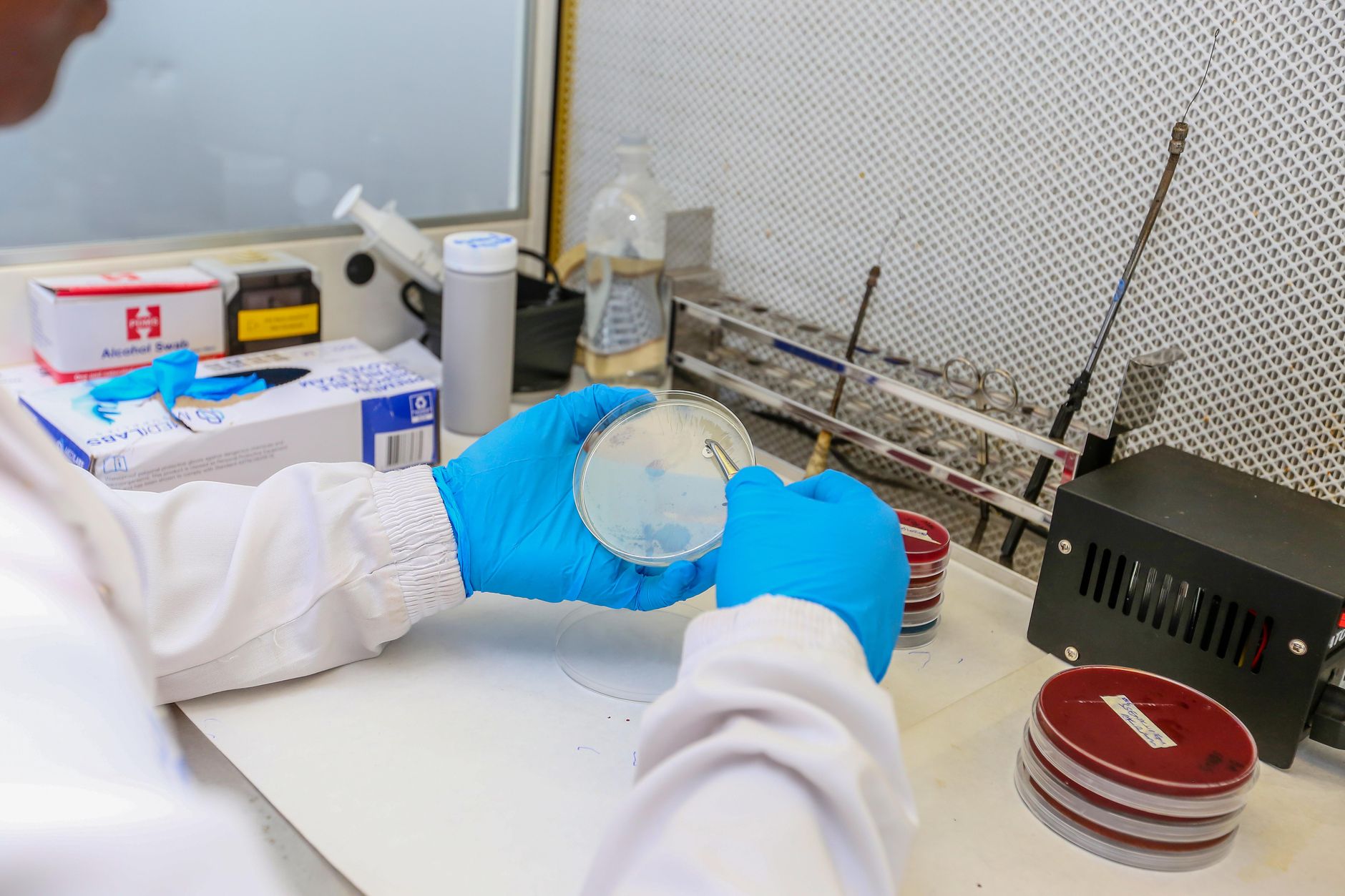
Cobots fit at stations where a person and an arm share a bench or a short conveyor. The six zones below are common places for them. Each has its own reach, its own fixtures and its own risk review, so the same arm can behave in its own way from one zone to the next.
The work in each zone varies. A filling point needs precise container placement. A labeling point needs a reliable read of the label. A case packing point needs a repeatable pattern, and staging needs a clean hand-off so staff know when a case is ready. The arm handles the repeat motion. Staff still judge the product.
What can a cobot not do in these facilities?
A cobot is not a general problem solver. It handles poorly any product that varies in shape or weight unless the station includes sensing and tooling for that variation. It cannot judge product quality the way a trained inspector can, and it should not replace the checks your quality team runs.
It is also not a transport tool. A cobot is fixed to a station, so moving product between rooms, shelves or buildings still falls to staff or a separate material handling system. Heavy payloads and high speed tasks often need another kind of machine, and we will say so when the work does not fit.
Finally, a cobot does not clear its own faults. Jams, misfeeds and failed grips need a trained person, which is why training and on-site response time belong in the quote.
How common are cobots, and what do injury rates say about this work?
Cobot use is growing in manufacturing. According to IFR World Robotics, as reported by The Robot Report, annual industrial robot installations reached 603,000 units in 2025, up 11%. New cobot installations reached 66,000 units that year, which the same report puts at 11% of all industrial robot installations. The 2026 edition has since been published. We did not pull its cobot count, so the 2025 figure is the latest one in this review.
Injury data point the same way. According to the Bureau of Labor Statistics, manufacturing had 332.6 thousand nonfatal cases with a rate of 2.7 per 100 full-time workers in 2024. Cannabis processing is not broken out in those figures, and packaging-specific rates were not in our pull. Treat manufacturing as the closest verified proxy, not a direct measure of your floor.
How do you get a cobot cost quote after a free site assessment?
Start with a free site assessment. We visit the stations, record the layout and surfaces, watch a batch changeover, and note traffic and shift pattern. We also confirm which systems each station must connect to and how many stations you want to start with. Many sites begin with one station, which lets the team test the work before scaling.
Once the assessment is done, the written quote follows. It sets out the lease through financing, the deployment and integration work, staff training, and the service plan with on-site dispatch and remote triage. It also lists exclusions. Before you sign, check that scope against the factors on this page, and ask us to show how each line would change if your batch formats changed.
Frequently asked questions
Want a cobot at your cannabis processing facility?
Tell us about your site. We will recommend the robot, quote the lease, and keep it serviced.
Sources
- CRB Monitor, reprinted by Mammoth Times
- The Marijuana Herald, February 2025
- IBISWorld, growing businesses estimate
- Marijuana Moment, industry analysis
- Bureau of Labor Statistics, OEWS May 2023
- Headset, cannabis retail turnover report
- The Robot Report, citing IFR World Robotics
- Bureau of Labor Statistics, injuries and illnesses