
The short answer
Autonomous mobile robot cost for battery cell factories depends on the route work itself: how far trays and materials travel between dry room, formation and module areas, how many vehicles those routes need, how many shifts run, and how much mapping, integration and service the site requires. The largest levers are the count of repeated moves per shift and whether the vehicles need clean zone builds. A lease quote follows a free site assessment that measures those inputs.
Key takeaways
- Cost follows the number of repeated moves and the clean zone rules more than floor area alone.
- Dry room, formation and module transfers are usually the first routes worth automating.
- Mapping, integration, training and service are the costs people most often leave out of a comparison.
- Plant expansion across the sector adds repeat transport at sites where a small trained staff moves material between zones.
- The lease quote follows a free site assessment that measures routes, shifts and move counts.
What does autonomous mobile robot cost for battery cell factories depend on?
The cost of autonomous mobile robots for a battery cell factory follows the work the vehicles take on, not the floor area alone. Start with the route list. Count how many trays, carriers and materials cross between the dry room, the formation area and the module area on each shift, how far each move travels, and how many of those moves repeat on fixed routes.
Four inputs carry most of the weight. The route count and length set the number of vehicles. The clean zone rules set the vehicle build and the access timing. The shift pattern sets how long vehicles run and how charging is planned. The scope of mapping, integration and service sets what happens when a vehicle stops.
No single figure fits every plant, so a quote comes only after a site assessment. Once the route list, floor drawings and shift schedule are in hand, the quote can state the unit count, the lease terms and the services in writing.
Why do battery cell factories generate so much transport between clean zones?
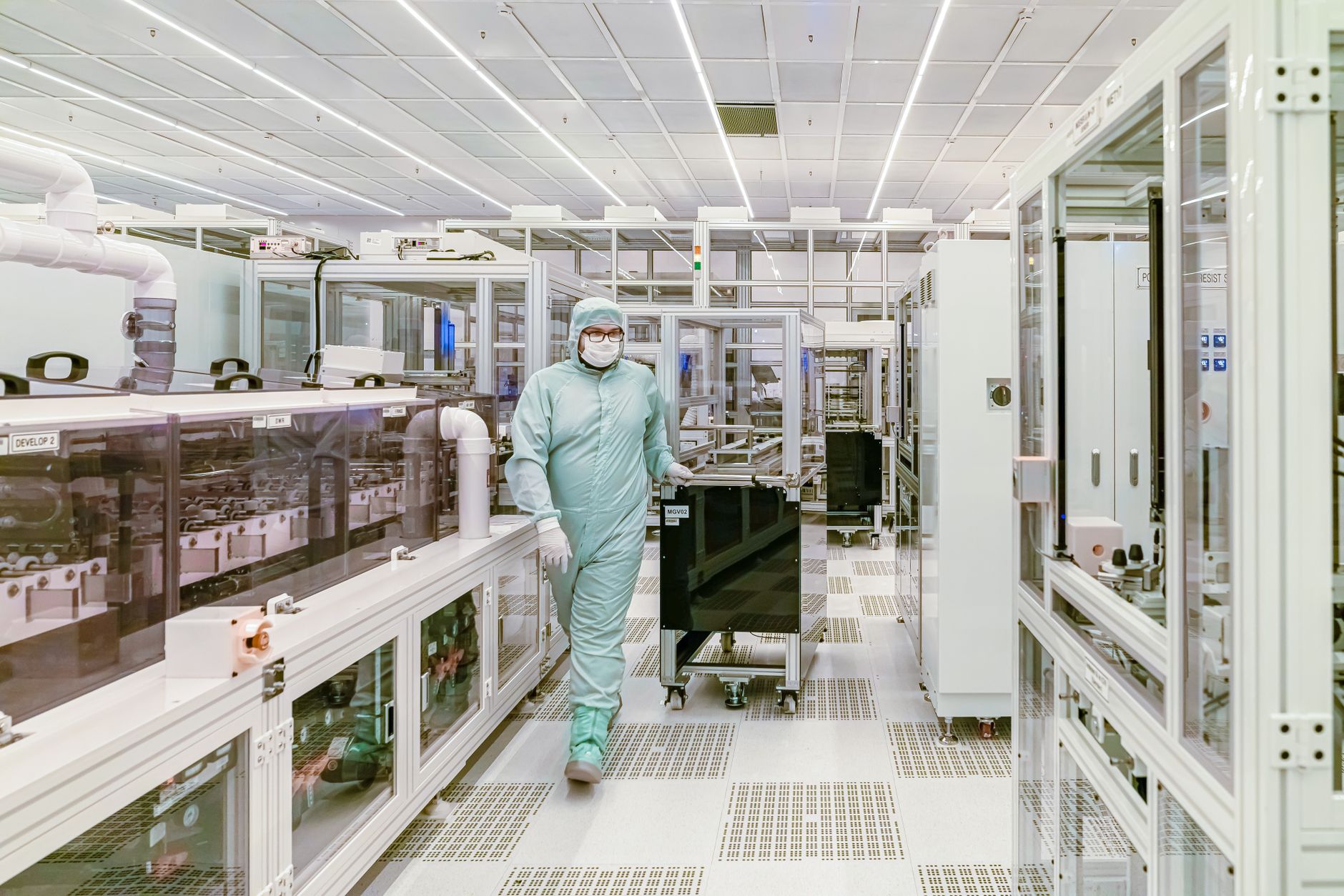
Battery cell production is a chain of controlled zones. Material leaves the dry room, moves to formation and then reaches the module area, and that pattern repeats across every shift. According to the American Clean Power trade group, over 55 of 70 new plants make primary supply chain components, and nearly 10 more were online in Q1 2026, half of them making primary components. That is a trade group claim we did not verify independently, but it describes many new sites with the same transfer pattern.
Expansion is concentrated in a short window. A battery industry trade article lists seven US gigafactories coming online in 2025 and 2026. We found no authoritative count of operating US cell plants, so any site list should be built from plant records rather than from a broad industry count.
The dry room is also tight space. One published cleanroom project includes 8,000 sq ft of ISO Class 7 cleanroom manufacturing and 2,700 sq ft of dry room support space. Every controlled door on a route adds an access and timing rule that the vehicle has to respect.
Which factors move the cost of autonomous mobile robots at a cell plant?
Route length and count is the largest lever. A long run between the dry room and the module area needs more mapping, more charging points and often more vehicles than a short shuttle. Repeated moves on fixed routes are what pay back, so rank the route list by frequency and distance before anything else.
Environment sets the vehicle build. According to vendor technical documentation for battery cell production intralogistics, cell plant transport must handle dust, humidity, temperature, vibration and electrostatic discharge, so vehicles need special builds such as stainless steel bodies. Those requirements change the vehicle choice before a single route is drawn.
Traffic and zone design decide how complicated the software gets. A vendor reference describes a greenfield battery cell plant that splits vehicle traffic into a grey area with no special cleanliness rules and a clean area where transfers happen, with the VDA 5050 interface linking the fleet manager and the vehicles. Two zones with separate rules mean two sets of routes, two sets of access timing and more testing before go live.
Shifts and unit count set utilization. The US Bureau of Labor Statistics notes that overnight shifts are common for material moving work in warehousing, and a plant that runs more than one shift keeps vehicles working longer and needs charging planned around those hours. A spare unit adds to the fleet but keeps a line moving when one vehicle is down.
What can an autonomous mobile robot not do in a battery cell factory?
An autonomous mobile robot moves carriers and materials on mapped routes. It does not run the process, control dry room humidity, or decide which cell goes to which formation step. Those decisions stay with plant controls and the staff who run them.
It is not a general handler either. Vehicles that carry trays and carts do not pick and place cells, and handling of fragile material still needs fixtures and people. A vehicle without a clear path waits, so the plant has to plan for stops rather than assume the fleet will find a way around every obstacle.
Floor and facility conditions set limits too. Uneven floors, unmapped obstacles and temporary fixtures disrupt routes until the map is updated. The sensible plan keeps people on exceptions and lets the vehicles take the repeat moves.
How much labor does repeat transport take, and what do the staffing numbers say?
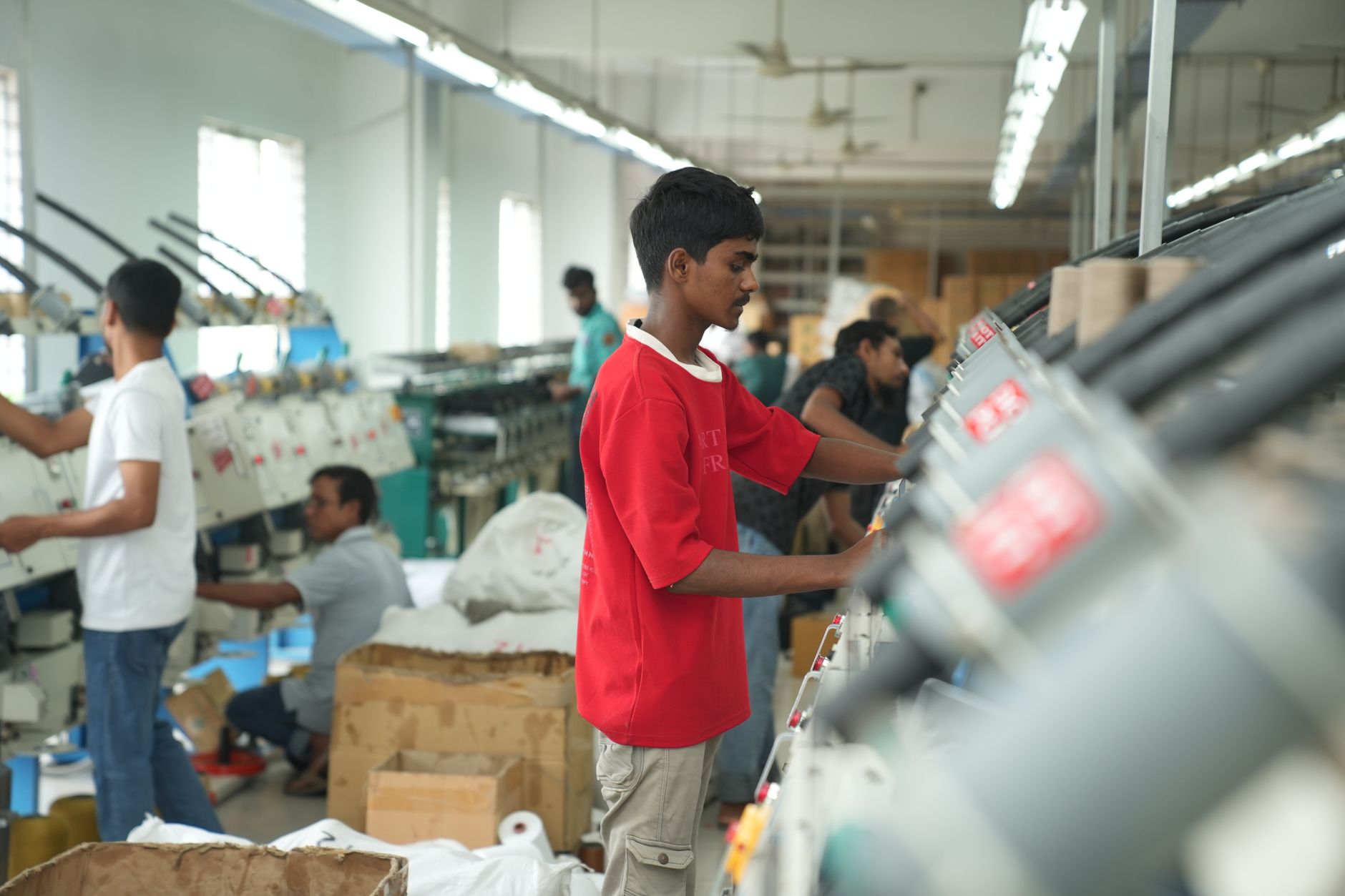
Labor here is about shifts and hours. Production, transportation and material moving hourly workers numbered about 14,698 thousand in 2025, down from 14,914 thousand in 2024, according to the FRED series for that group. That is a broad workforce across US plants, so it shows the scale of material moving labor rather than the staffing of any one cell plant.
Turnover adds pressure. According to a secondary summary of federal JOLTS data, the manufacturing quits rate was 1.4% in 2025, down from 2.4% in 2021, and monthly separations were 2.4%. We did not find a turnover rate specific to material moving workers, so the manufacturing figure is the nearest proxy. A stable crew helps, but every separation still means retraining.
Hours depend on the work pattern. The US Bureau of Labor Statistics reports that most material moving machine operators work full time, some work more than 40 hours a week, and overnight shifts are common in warehousing. The hours that matter for a cell plant are the repeat moves per shift, which you should measure with a move log rather than estimate.
How does leasing through financing work, and what does the quote include?
We lease robots through financing, so a plant can start without committing capital up front. The lease is the structure, and the quote is the document that states the lease terms, the term length and what is covered. Terms in writing matter most when the fleet grows, because each added vehicle changes the terms.
The quote covers the vehicles and lease term, the site assessment and mapping, deployment and integration, training for staff, and nationwide service. It should also state the spare unit approach, the response expectations, and how insurance and software licensing are handled. A quote that leaves those items out cannot be compared with one that includes them.
Start small if the plant is new to automation. One leased unit on the highest frequency route shows the real move count and how staff respond, and that becomes the baseline for adding units. Phased deployment keeps the existing line running while the fleet comes online.
How do you get a quote after a free site assessment?
The autonomous mobile robot cost for battery cell factories comes from the site, not from a catalog. The free site assessment maps the routes, reviews the dry room and clean area rules, records the shift schedule and counts the moves. Bring floor drawings, the route list and any planned expansion, so the assessment reflects where the plant is heading.
After the assessment, we recommend the vehicle build and the unit count, then send a lease quote with the term and what is included. The quote should show the phased deployment plan, when training happens and what service looks like after go live. Ask for each of those items in writing, and compare quotes on the same route list.
Expansion is the moment to raise the question. A plant that adds a dry room or a formation line changes its route count, and a fleet sized for today may need a remap and more units. Planning for that growth in the assessment avoids a second assessment later.
What do the safety numbers mean for a cell plant's decision?
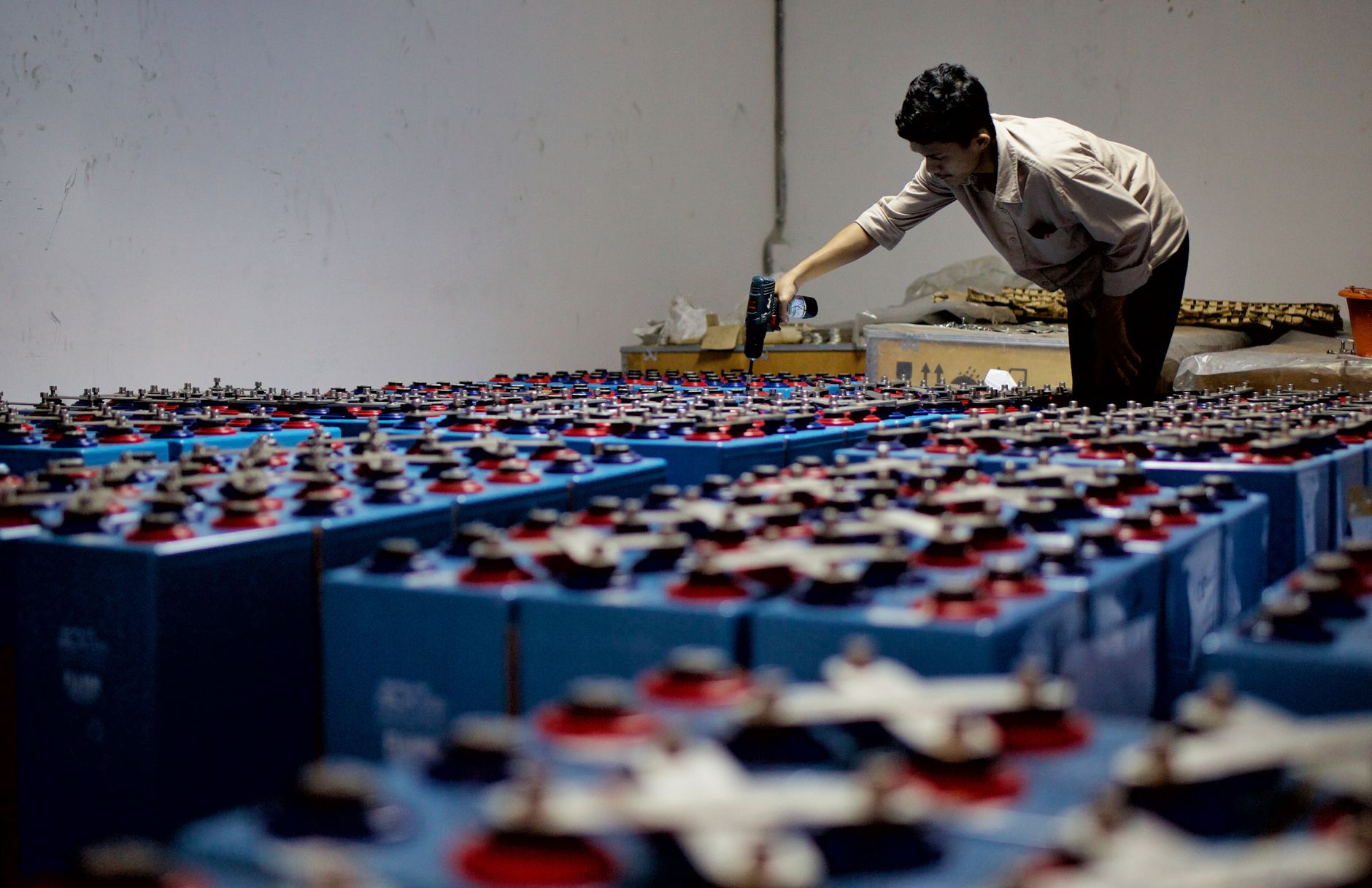
Safety data frames the decision without measuring a cell plant directly. A secondary summary of BLS Survey of Occupational Injuries and Illnesses data reports a manufacturing total recordable case rate of 2.7 per 100 full time workers in 2024, against 2.3 for all private industry. The manufacturing DART rate was 1.7, against 1.4 for private industry in the same summary.
The overall trend is better. A trade press summary reports that BLS work injuries in 2024 were at their lowest level in two decades. Manufacturing still runs above the private industry average, so it is worth checking which repeat handling tasks drive your own incident log before deciding.
Your own log tells you more than a national average. Near misses and recurring incidents at a specific plant show where to start, and the site assessment can include a review of them alongside the move count.
Frequently asked questions
Want a warehouse robot at your battery cell factory?
Tell us about your site. We will recommend the robot, quote the lease, and keep it serviced.
Sources
- US Bureau of Labor Statistics, Occupational Outlook Handbook, material moving machine operators
- FRED, production, transportation and material moving hourly workers
- Secondary summary of BLS Survey of Occupational Injuries and Illnesses, manufacturing safety statistics
- American Clean Power trade group claim, reported by Energy Storage News
- Published cleanroom project case page
- Vendor technical documentation and reference projects, battery cell production intralogistics
- Battery industry trade article on seven US gigafactories coming online in 2025 and 2026
- Secondary summary of federal JOLTS manufacturing turnover data