
The short answer
Autonomous forklift cost for hardware distribution centers depends on how much floor and racking the robot must cover, how varied the pallet mix is, how many units run and on which shifts, and how much mapping, integration and service the site needs. Aisle width and the number of pick locations set the routing work, while night shift replenishment sets how long the unit must run reliably. The lease quote follows a free site assessment, so the figure reflects measured inputs from your building.
Key takeaways
- Aisle geometry and pallet variety shape the quote more than the choice of truck.
- Mapping, integration, training and service are the costs buyers most often leave out.
- Night replenishment with repeatable routes is usually where the labor case is strongest.
- Lease quotes follow a free site assessment and should list everything that is included.
What does autonomous forklift cost for hardware distribution centers depend on?
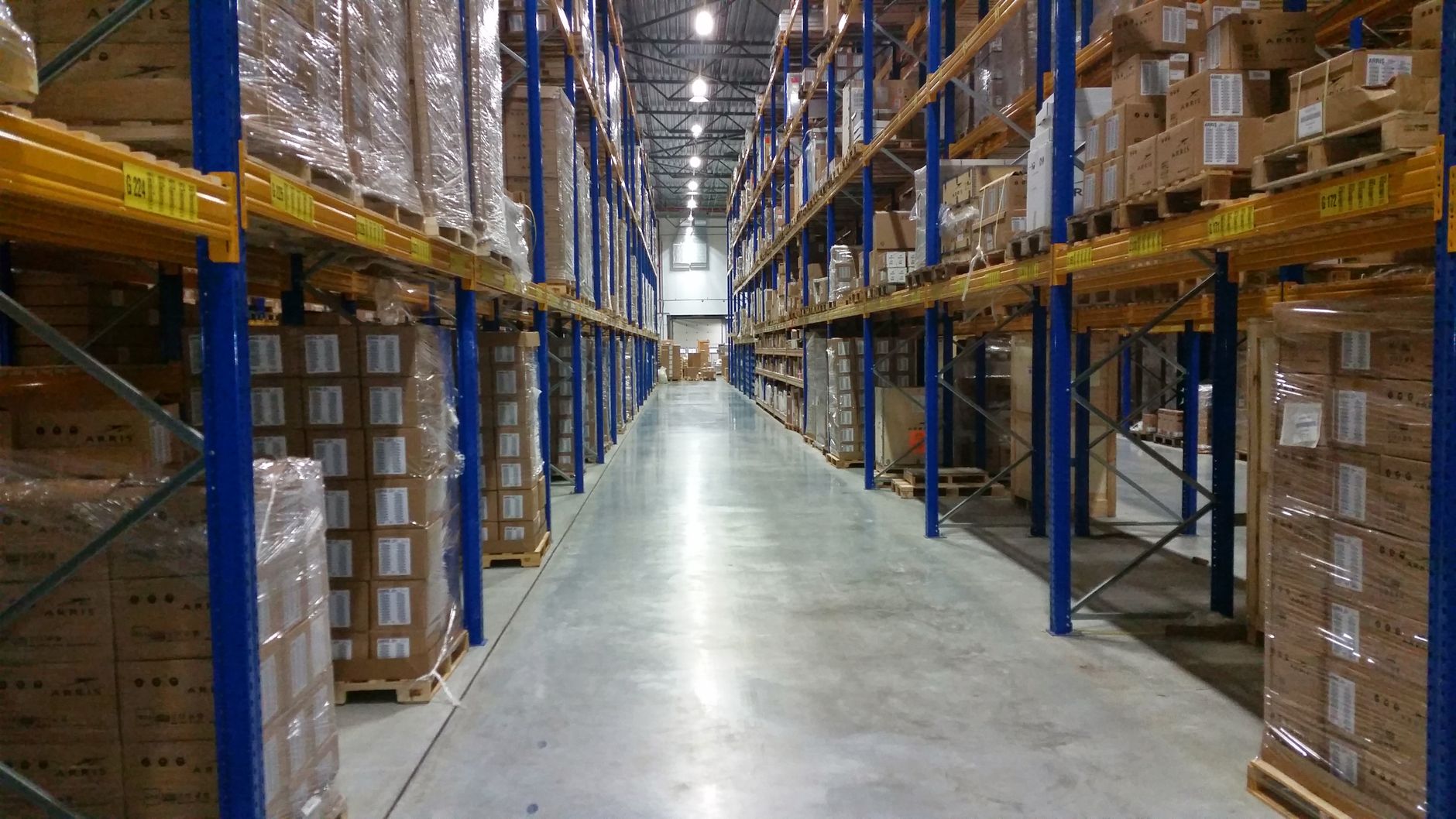
The autonomous forklift cost for hardware distribution centers depends on the building as much as the vehicle. A hardware distribution center moves a wide range of pallets for a large number of stock keeping units, through racked aisles that were laid out for manual trucks. Each of those facts changes how much mapping, route design and integration the robot needs, and that engineering work is what the quote is built from.
A quote usually reflects five groups of inputs: the physical layout, the pallet and SKU mix, the shift pattern, the number and type of units, and the support the site needs after go live. Layout covers aisle width, rack height, dock configuration and floor condition. Shift pattern covers how many hours the unit must run and whether it works unattended during replenishment.
No single figure fits every site. Two buildings of similar floor area can land far apart if one has narrow aisles, an uneven slab and frequent pallet exceptions. That is why the first step is a measured site assessment, not a generic rate sheet.
How many workers and sites are in this line of work?
Hardware distribution sits inside a large material handling workforce. According to the U.S. Bureau of Labor Statistics, material moving machine operators held about 867,700 jobs in 2024, and industrial truck and tractor operators made up 792,500 of those jobs. Those are the people whose repeatable pallet moves the robot takes on, so their numbers shape what a site can staff.
The same BLS page shows where these jobs sit. Warehousing and storage employs 36 percent of material moving machine operators, and wholesale trade accounts for 12 percent. The BLS projects 1 percent employment growth from 2024 to 2034, which it describes as slower than average, with about 83,200 openings a year on average over the decade. A labor pool that is not expanding quickly means sites keep competing for the same workers.
Hardware stores are a separate and smaller slice. According to FRED, a database of the Federal Reserve Bank of St. Louis built from BLS data, hardware store employment (NAICS 44413) was about 115,800 to 116,600 workers in 2024, counting wage and salary workers, self-employed and unpaid family workers. A private market research firm reports about 14,181 hardware store businesses in the US in 2024. That is not an official count, and we did not check the figure on the source page, so treat it as an estimate.
What drives the cost up or down at this kind of site?
Aisle width is the first thing we measure. It sets how precisely the robot turns, how close it can pass racking, and how much clearance a route needs. Narrower aisles usually mean tighter route tolerances and more careful mapping, which adds engineering time before the first run.
Pallet mix comes second. Uniform pallets with consistent footprints and load heights are simple to route. A mix of sizes, odd loads, loose shrink wrap and cartons that do not sit square adds exception handling and more tuning. Each exception that still needs a person puts the labor case back on the table.
Traffic and floor condition come next. Dock doors, staging areas, pedestrian paths and manually driven trucks all shape routing rules and zones. Floor flatness and slab joints affect traction and sensor reliability. A site with heavy cross traffic usually needs more zones and guarding than one that keeps people out of the robot path.
How many labor hours does an autonomous forklift take over?
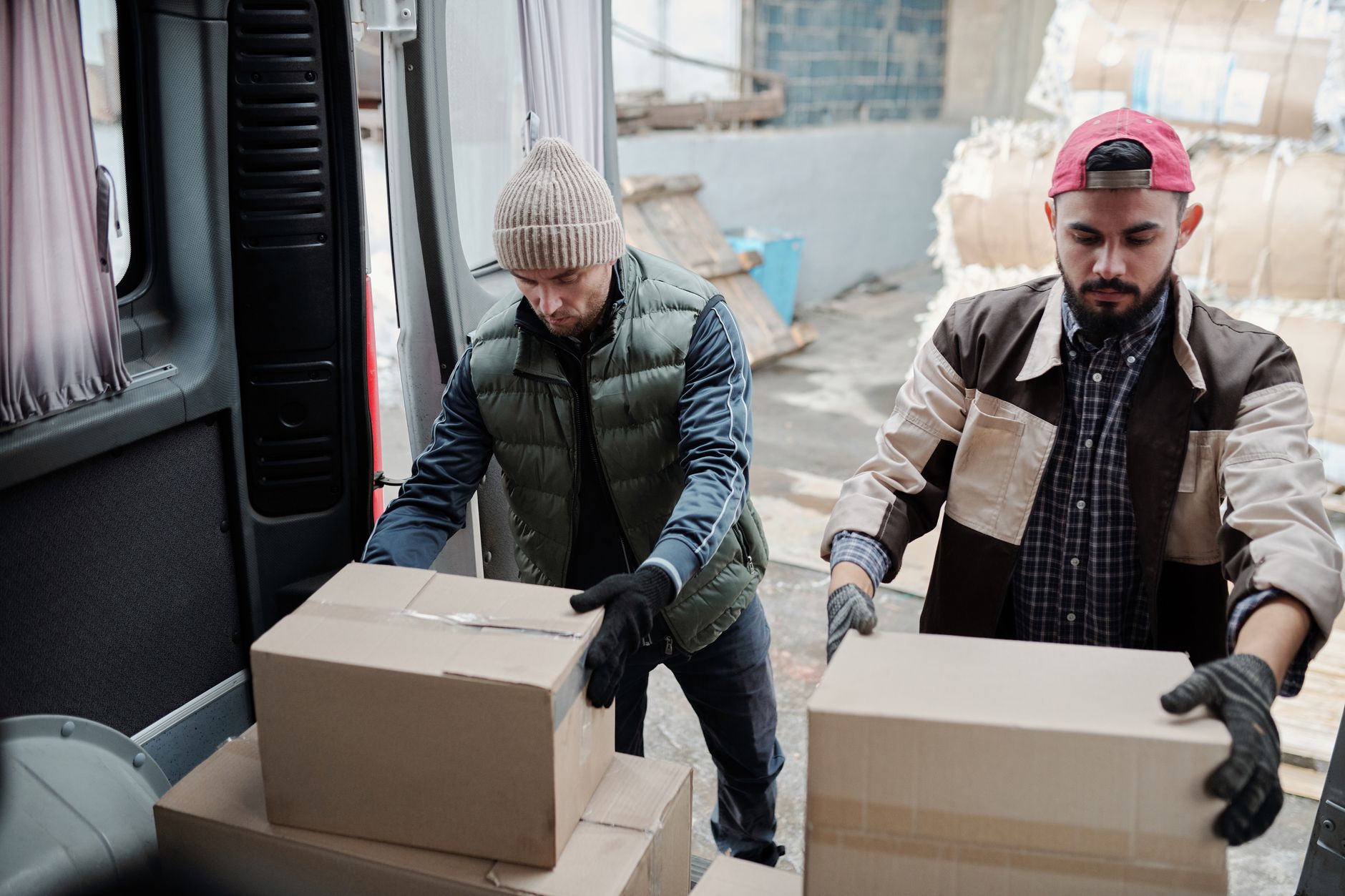
Hour figures for these tasks were not verified for this page, so we do not give a number of hours per shift here. What can be described is the work pattern. On a night shift, a manual crew spends much of its time driving pallets between receiving, reserve racking and forward pick faces, and the total depends on queued moves, travel distance and interruptions.
Labor availability is the other side of the picture. A 2025 survey reported by a workforce statistics blog put average US voluntary turnover at 13.0 percent, with retail and wholesale highest at 26.7 percent. That covers all of those industries, not warehouses alone, so it is a rough guide. Still, high turnover means sites rebuild night crews often, and each new hire needs floor training before working a shift alone.
The hours table below shows which tasks move to the robot and which stay with staff. The site assessment replaces these descriptions with measured hours from your own building.
How common are autonomous forklifts in warehouses, and why does safety matter?
Adoption is growing, but unevenly. A survey summary reported by a financial data site found that 39 percent of respondents currently use mobile robots and 52 percent plan to implement them. A commercial real estate news report from March 2026 put AMRs and AGVs in roughly 10 to 15 percent of facilities. Those figures measure different things, so compare them with care.
Safety is often the first question buyers raise. A safety training site citing OSHA figures, which we did not check directly against the agency, puts forklift injuries at about 97,000 a year, with about 35,000 serious and 62,000 non-serious. Route control, speed limits and pedestrian zones reduce exposure, but they have to be designed into the site, and the assessment covers them.
How does leasing through financing work, and what does the quote include?
We offer lease only. The unit is leased through financing, and the payment is set in a lease quote that follows a free site assessment, so the number reflects your building rather than a generic sheet. The unit stays under the lease, and we do not sell it to the customer.
A quote should spell out what the number includes: the units, mapping and map updates, software for the full term, deployment and integration, staff training, service and maintenance, and whether insurance is covered. Ask for the quote in writing with every item named. Lease programs vary, so compare what sits inside each quote, not only the first line.
We pick the right robot for the site, arrange the lease through our financing programs, deploy and integrate the unit, train staff and service it nationwide. The steps are set out below.
What can an autonomous forklift not do?
It cannot resolve an exception that needs judgment. A pallet that is damaged, leaning, mislabeled or sitting in the wrong location usually stops the unit until a person clears it. It does not pick individual cartons, load trucks or repair racking, and a site that expects one unit to replace the whole night crew will be disappointed.
It works best on steady, repeatable routes. Replenishment from reserve racking to forward pick faces fits that pattern well. Irregular one-off moves across the building usually stay with manual trucks, so plan for some manual equipment to remain in use.
Expect human supervision. Staff watch the queue, respond to alerts and reset routes after layout changes. Supervision is a labor line, and it belongs in the hours plan.
How do I get a quote after a free site assessment?
Start with the free site assessment. We measure aisle width, rack layout, floor condition, dock locations, pedestrian routes and the night shift schedule. We also review the pallet mix and replenishment volume, which decide how much of the work can be routed.
Bring the inputs a quote needs: a current floor plan, rack and pick face counts, pallet types, shift hours, the systems the warehouse uses to send job data, and any past incidents or near misses. The more accurate the inputs, the less the quote depends on assumptions.
After the assessment you receive a lease quote that lists the unit, the lease through financing, deployment, training and service. A phased start with one unit is a practical way to check fit before adding more, and the quote can show both paths.
Frequently asked questions
Want an autonomous forklift at your hardware distribution center?
Tell us about your site. We will recommend the robot, quote the lease, and keep it serviced.
Sources
- U.S. Bureau of Labor Statistics, Occupational Outlook Handbook: Material Moving Machine Operators
- FRED, Federal Reserve Bank of St. Louis: hardware stores employment series
- Private market research firm: hardware stores number of businesses
- Workforce statistics blog: employee turnover rate statistics
- Financial data site: warehouse automation survey summary
- Commercial real estate news: warehouse automation, March 2026
- Safety training site: forklift fatalities and injuries statistics