
The short answer
For most hardware stores, the autonomous mobile robot vs stock associate question comes down to material movement: a robot makes sense when hauling cases and bins from receiving to the backroom and aisles is steady, repetitive and free of obstacles on the route. It does not make sense for selling-floor work, where customer questions, product judgment and reaching high shelves still need a person. The usual result is a robot plus fewer hours of stock work by staff, never zero staff.
Key takeaways
- A robot takes the repeat hauling between receiving, backroom and aisles, not the selling.
- Customer help, freight checks and damage calls stay with staff.
- Hardware-specific shift hours and staffing counts were not verified, so measure your own.
- Retail trade showed 4.2 million hires and 4.3 million separations in June 2026, per BLS JOLTS (preliminary).
- Start with a site assessment and one unit, then scale only if the route data holds.
Autonomous mobile robot vs stock associate: what is the real difference at a hardware store?
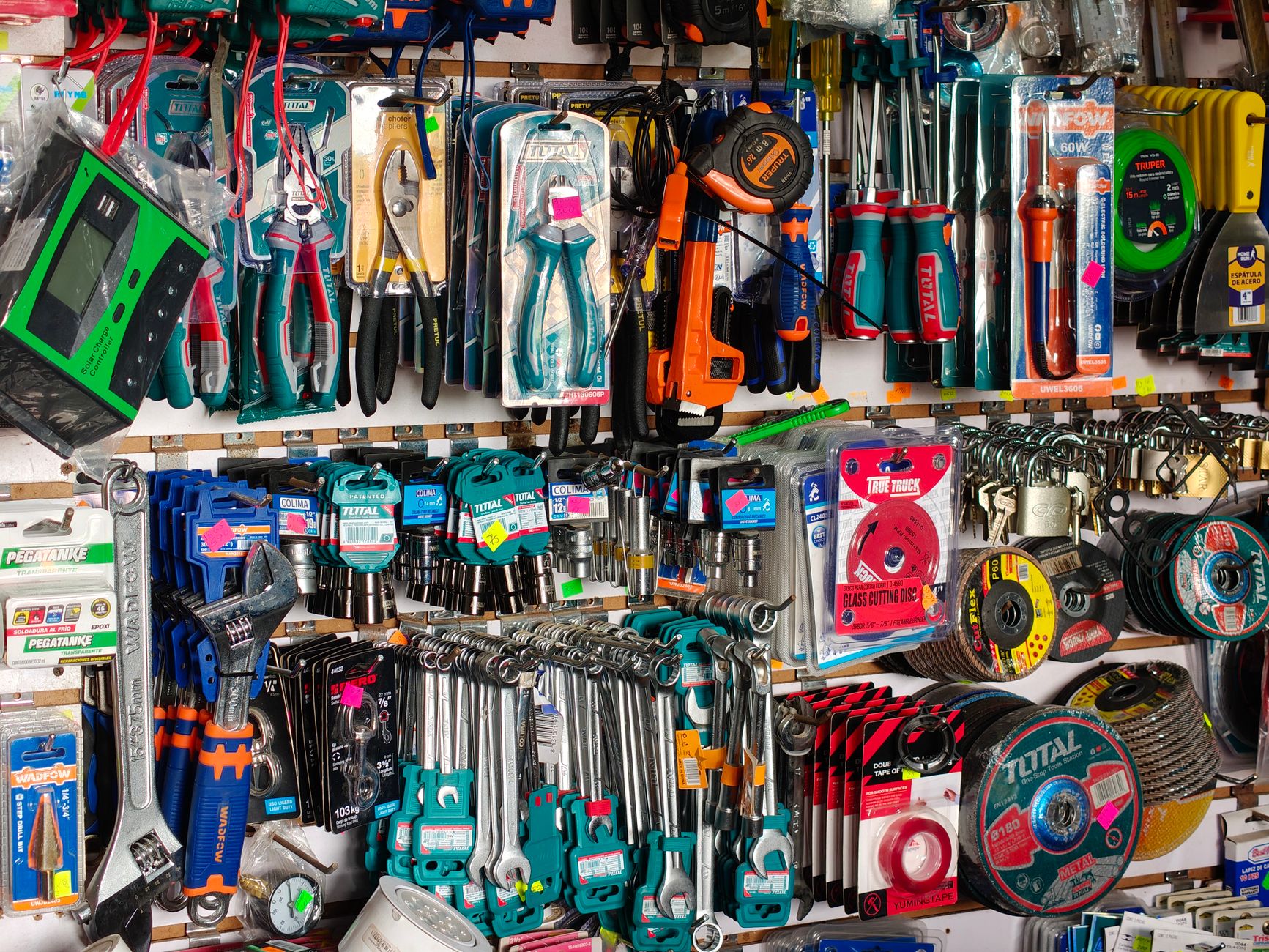
The autonomous mobile robot vs stock associate choice is really a choice about material movement. A stock associate at a hardware store does two jobs at once: moving product from the dock and backroom to the aisles, and helping customers on the floor who need to find or choose an item. A robot can take the first job when the route repeats. It cannot take the second.
County Business Patterns data for 2014, as reproduced in a journal table, counted 15,219 hardware store establishments under NAICS 444130. That is an older count. The 2022 classification change moved hardware stores to a new code, and no up-to-date national count was verified for this page.
When does an autonomous mobile robot make sense in a hardware store?
A robot makes sense when a store has a lot of repeat hauling on fixed routes. The typical fits are a receiving dock that feeds a backroom, a backroom that feeds several aisle ends, and a steady stream of cases, totes or bins that move the same way every day. The more often a route repeats, the more of the shift a robot can cover without a person waiting on it.
Look at the building too. Clear floors, aisles wide enough to pass, and a layout that does not change every week all help. A store that rebuilds seasonal displays every few weeks will spend time remapping routes, so that churn belongs in the decision before the first lease quote.
Median hourly wage, Laborers and Freight, Stock, and Material Movers, Hand
$4,380
Monthly cost of one full-time worker, at the median wage plus payroll costs (an estimate, not a quote).
When does a robot not make sense for a hardware store?
A robot is a poor fit when the work is mostly customer-facing. Garden centers in season, paint counters, key cutting and special-order desks depend on a person who can answer questions, explain options and walk a customer to a shelf. A small store where hauling happens only a few times a day will leave a robot idle for much of the shift.
Check the floor before anything else. Thresholds, ramps, loose floor mats, narrow doorways and tight corners can block a route. Some older stores also have floors that are not level. A site assessment catches these problems, and for a small store the honest answer is sometimes no, at least for now.
- Backroom and aisle hauling
Autonomous Mobile Robot
Repeats the same mapped route all shift, if the route stays clear
Stock Associate
Flexible on any route, lifts awkward loads, reaches high bays
- Customer questions
Autonomous Mobile Robot
Cannot answer a question or walk a customer to a shelf
Stock Associate
Answers questions, suggests alternatives, handles returns
- Freight and damage checks
Autonomous Mobile Robot
Moves cases but cannot judge damage or check a packing list
Stock Associate
Counts cartons, checks contents and flags damage
- Quiet-hour routes
Autonomous Mobile Robot
Can run mapped routes when the store is quiet, if access and safety allow
Stock Associate
Needs a shift plan, supervision and pay for off-hours work
- Layout changes
Autonomous Mobile Robot
Needs remapping when aisles or displays move
Stock Associate
Adjusts to a changed layout the same day
- Downtime
Autonomous Mobile Robot
Stops on a battery, sensor or route fault and needs service and a backup plan
Stock Associate
Calls in sick or leaves early, which also needs cover
What does a stock associate actually do in a shift at a hardware store?
A stock associate usually starts with a receiving check: counting cases against the packing list, opening freight, and marking items for the backroom. The rest of the shift runs in cycles. Staff stage product by aisle, restock shelves, pull overstock from the backroom, break down pallets and keep the sales floor in order between customer questions.
Much of this is walking and lifting, and it is interrupted all the time. A customer asks where the fasteners are, and the restock stops mid-cart. That interruption pattern is why a stock associate cannot be fully replaced by a robot, and also why a robot can work well next to one.
Which parts of the work can a robot take, and which can it not?
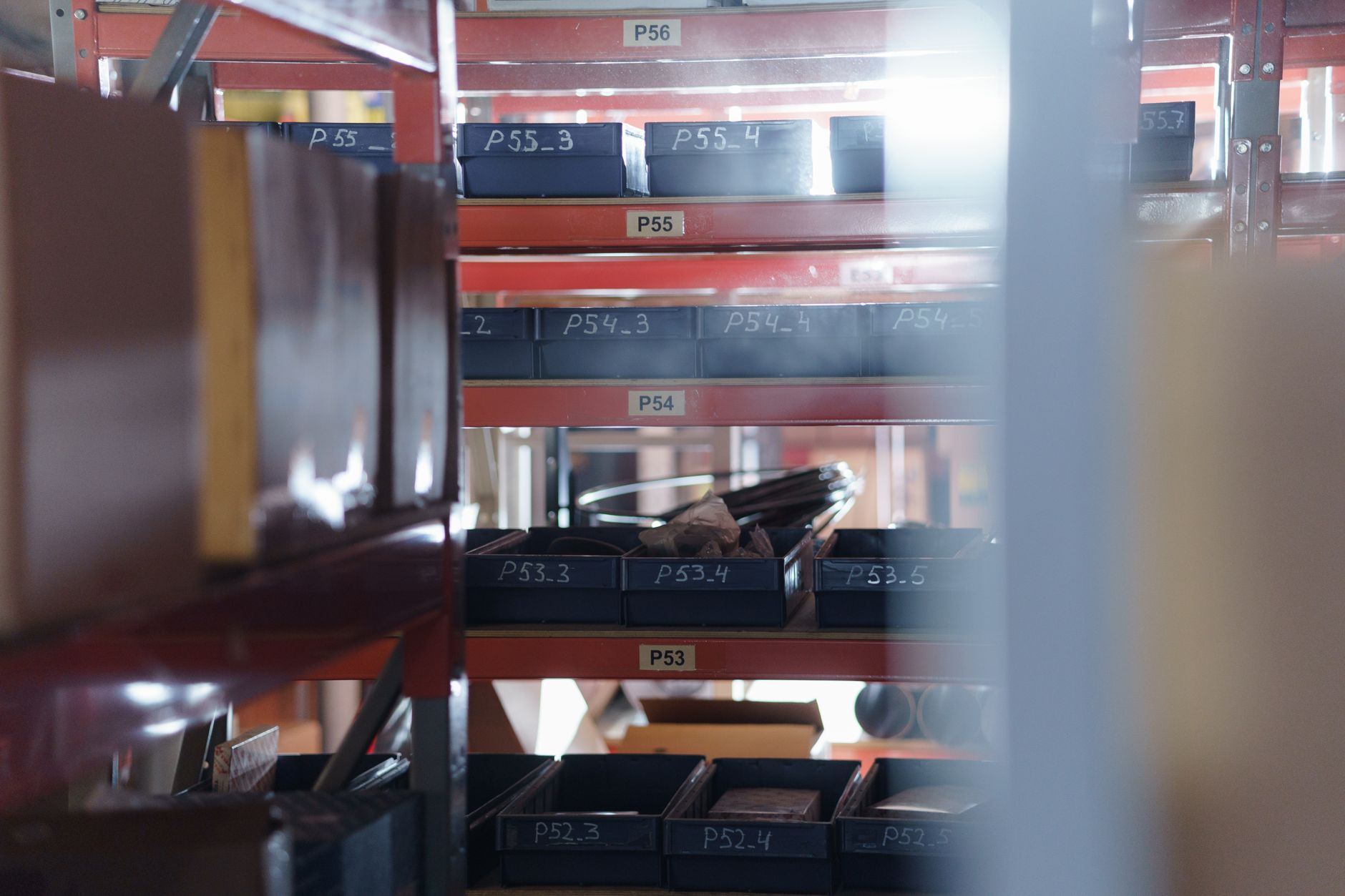
A robot can take repeatable transport: moving cases and bins from receiving to the backroom, and from the backroom to aisle ends, along routes it has been mapped to follow. It can also return empty bins and carry overstock to a staging point. These tasks are the same each time and do not depend on a conversation.
It cannot read a shelf, judge whether a product is damaged, pick one item from a mixed bin, or help a customer. It cannot open freight in unusual packaging, climb a ladder to a high bay, or handle a load heavier than its rated payload. Those tasks stay with staff, so the robot changes the shape of the job rather than removing it.
What do the labor numbers say about turnover, night shifts and sick days?
The Bureau of Labor Statistics counted 136,300 workers employed as laborers and freight, stock and material movers, hand in NAICS 444, the building material and garden equipment dealers group that includes hardware stores, in 2025. The same table lists 158,770 cashiers in that group. These are group figures, not hardware store figures, but they show how much of the workforce in these stores is on the floor.
Turnover is high across retail. In June 2026, BLS JOLTS data for retail trade showed 4.8 million job openings, up from 4.5 million in May and 3.8 million in June 2025, along with 4.2 million hires and 4.3 million separations. The June figures are preliminary and seasonally adjusted, and they cover all of retail trade.
This page could not verify shift hours, overtime, night-shift staffing or sick-day rates for hardware stores. Those numbers decide how much a robot changes the schedule, so pull them from your own timekeeping. Compare the local wage for this job shown on this page with your own hourly labor cost. Montana's 2024 state figure for retail trade was 4.6 injuries or illnesses per 100 full-time equivalent workers, tied with manufacturing, a reminder that stock work carries real injury risk.

How does a team work with a robot on the floor?
The workable model is a robot plus fewer hours of backroom work by people, with customer coverage kept intact. The robot takes hauling on its routes, and staff move to the work it cannot do: checking freight, restocking detailed shelves, answering questions and helping customers. Build the schedule around that handoff, not around headcount cuts that leave the floor thin.
Staff need to learn how to clear a blocked route, stage bins at the pickup point, and report faults. Managers should name who responds when the robot stops, and that person should not be the only one who knows the route. Service Robot Co. deploys, integrates and trains staff on this handoff as part of the lease project, and services the units nationwide so the store has one contact when something stops.
What can an autonomous mobile robot not do, and where does it fail?
A robot cannot replace judgment. It stops for people and objects in its path, which is a safety feature but can slow a busy aisle. It needs a mapped route, a charging point and clear floors. When a route changes or a layout is rebuilt, someone has to remap it. Batteries, sensors and wheels need scheduled service, and a unit that is down needs a backup plan.
The evidence has limits too. This research did not verify hardware-store figures for shift hours, staffing per store, aisle area or robot adoption. Any adoption claim from a vendor should be treated as a starting point for your own test, not as proof of results in a hardware store.
How do you start leasing a robot for a hardware store?
Start with the work, not the robot. Map one receiving-to-backroom route and one backroom-to-aisle route, count the moves on each for a typical week, and note when staff wait for a cart or a free aisle. That gives you a baseline to compare with what a robot could cover.
Robots are leased through financing, and the lease payment is set in a quote after a free site assessment. The quote depends on the site, the number of routes and the service plan. Starting with one unit and a backup plan keeps a single fault from stopping the work.
Frequently asked questions
Want a warehouse robot at your hardware store?
Tell us about your site. We will recommend the robot, quote the lease, and keep it serviced.
Sources
- US Bureau of Labor Statistics, Occupational Employment and Wage Statistics (OEWS May 2024)
- BLS employment by occupation, NAICS 444 (2025)
- BLS Job Openings and Labor Turnover Survey, June 2026 (preliminary)
- County Business Patterns 2014, NAICS 444130 hardware store count (journal table)
- Montana 2024 occupational injury and illness newsletter