Key takeaways
- A banquet hall may get only 1 to 3 hours between one event teardown and the next setup, so the robot has to start the moment floors clear.
- Run the robot in zones: low debris areas first while staff handle trash and high traffic spots.
- Break down tables and chairs first, then let the robot work the open floor and the edges it can reach.
- Check decibel levels and passing widths before any guest present run, and test both on your own floor.
- Keep a timestamped log of every run so the venue can show clients what was cleaned and what was not.
Can a floor robot handle a wedding venue between weekend events?
Yes, for the open floor, and only if the room is ready when the robot arrives. A ballroom or foyer sitting between a Friday reception and a Sunday brunch has a short window, and the robot's job is the repeatable floor pass. Trash removal, tape residue and the corners still belong to people.
This plan walks a venue manager through a weekday to weekend cadence: when the robot runs, how it works around tables and dance floor edges, and how each run gets logged for the couples and planners who book your rooms.
How much time does a weekend turnaround really leave?
Less than most managers plan for. ORION STAR's banquet hall guide says post event turnaround often allows only 1 to 3 hours before the next setup. That figure comes from a robot maker, so treat it as a planning floor, not a promise.
Event Cleaning Chicago, a service provider, lists an average two hour post event turnaround for corporate events up to 200 guests. Sproutmation's convention guide says a trade show move in can begin 36 to 48 hours after move out, leaving 8 to 12 hours of cleaning after teardown. A weekend wedding schedule is usually much tighter than that.
How should run windows be set across the week?
Build the cadence in three blocks. Midweek, run a full pass when the room is empty and bare. On Friday, finish a pre event pass before the first vendor load in. After each Saturday event, the post event run is the one that needs timing discipline.
Stage the robot before teardown ends. Sproutmation says robots should be pre programmed and staged before teardown finishes so they start the moment floors clear. Its stadium guide uses a phased sequence that a ballroom can borrow:
- 0 to 20 minutes after the event: outer zones with low debris, while crews handle trash and high debris areas
- 20 to 60 minutes: main floor zones added as they clear
- 2 to 4 hours: full fleet running on every cleared zone
How do tables, chairs and dance floor edges fit into a run?
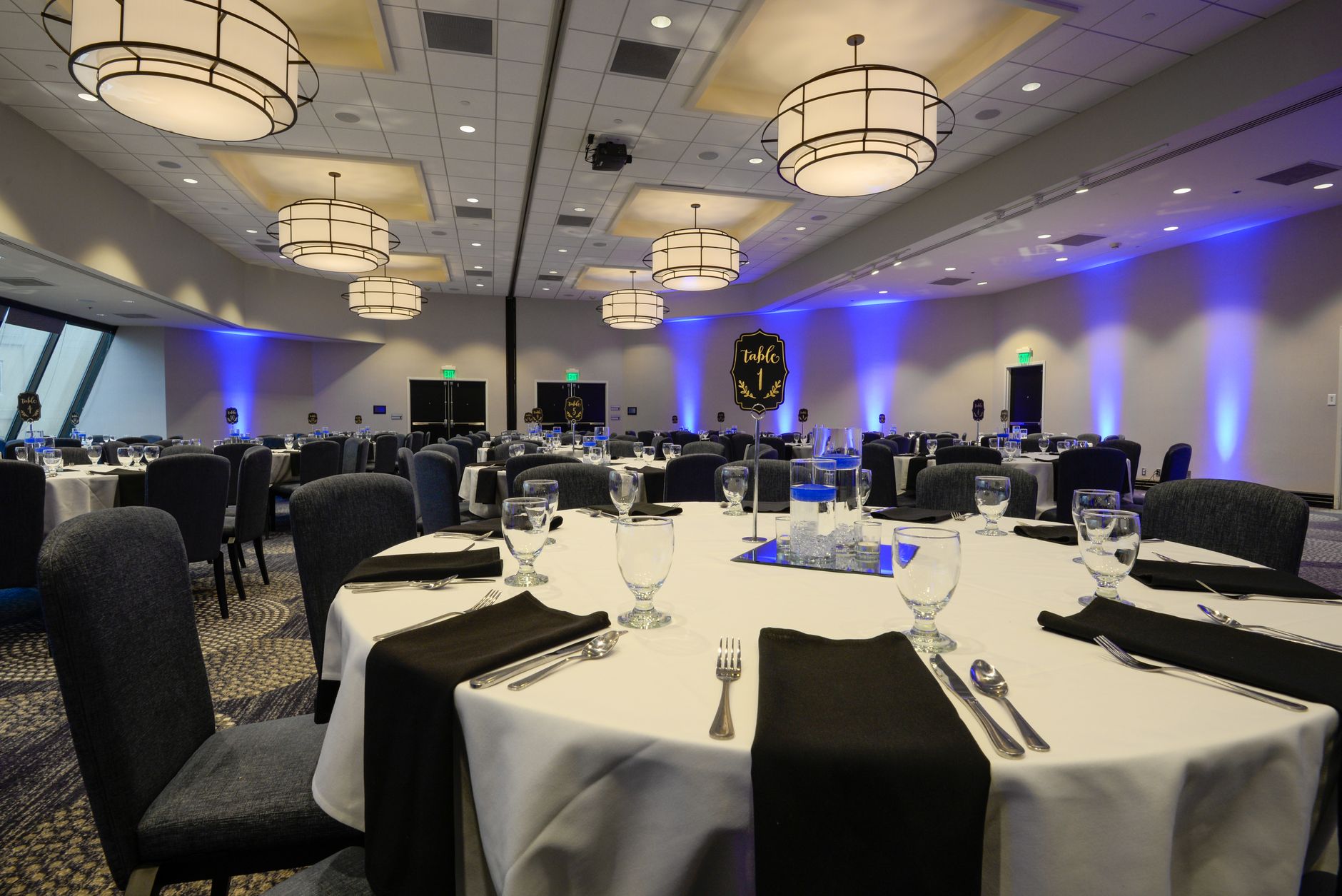
Clear the room first. Sproutmation recommends breaking down chairs and tables before the robot goes onto open floor, and its hotel guidance says chairs must be stacked or lifted for restaurant runs. A robot cannot route around a banquet table that nobody has moved.
Measure the gaps before you trust the map. ORION STAR lists minimum passing widths of 700 mm for the CleaniBot S55 Pro, 750 mm for the Pudu MT1 and 1,400 mm for the Gausium Scrubber 75, and a 159.2 cm minimum turnaround width for the Nilfisk Liberty SC50, per its published specifications. Those are the numbers to compare against your aisle between table rows, not the marketing photos.
Reset the map when the layout changes. ORION STAR notes that banquet floor plans change between events, and learn and repeat robots need an operator to drive the route again each time the layout shifts, which adds setup time. Dance floor edges need their own pass. Narwal's guide says its edge mode is wall following and does not change brush pressure, so it can miss a narrow dust strip along curved baseboards or angled furniture. Plan a manual edge check after every robot run.
What about noise during a guest present brunch?
Sunday brunch is the hard case. ORION STAR lists 45 dB for dust mopping and 55 dB for scrubbing on the CleaniBot S55 Pro, per manufacturer data. It lists the Nilfisk Liberty SC50 at a certified 63 dBA, and the Tennant T7AMR at 70 dBA, which it describes as suited to vacant overnight or post event windows rather than guest present use.
Those are manufacturer figures, measured under the maker's conditions. Sproutmation says on site sound validation supports guest area cleaning without maximum noise promises. That is the right test: run the unit in your own ballroom at the hour you plan to use it, and listen from the back table.
Which work stays with the crew after a robot finishes?

Robots do not finish the room. Sproutmation says they do not replace aggressive remediation after teardown, such as tape residue and heavy scuffs, and that carpet extraction stays manual. They also need clear floors and cannot run safely during active load in.
Labor savings are real but partial. A third party field guide from Opora says a robot still needs an operator for monitoring, exception handling, cleaning head maintenance, solution replenishment and battery management, and models labor reduction at 40 to 70 percent of area hours rather than 100 percent. Payback depends on use: Sproutmation puts payback in large venues at 12 to 20 months, and ORION STAR cites 9 to 18 months for daily use facilities over 50,000 sq ft of hard floor. A venue that runs only on weekends has to run its own numbers.
How should each run be logged for the venue's clients?
Log every run the way an event planner reads a room. Sproutmation says each run records start time, end time, area covered, the cleaning fluid used and exceptions, and that the record can be shown to event organizers.
Tie each log to the event date and room. Add a crew note for trash, residue and any gap the robot reported as blocked. When a couple asks whether the dance floor edges were done, the answer should sit in the record, not in someone's memory.
Where does a lease fit into a weekend cleaning plan?
Service Robot Co. is a full service commercial robot integrator for US businesses. We are OEM neutral, so we select the robot that fits your room, gap widths and noise limits across manufacturers, then deploy, integrate, train and service it through a nationwide US engineer network.
Venues get the robot through a lease on a 3 year term, with one fixed payment quoted after a site assessment. That gives a venue manager one number and one partner for the whole lifecycle, which keeps the weekend cadence from depending on whoever answers the phone that night.
Frequently asked questions
Sources
- ORION STAR banquet hall robot guide
- ORION STAR CleaniBot S55 Pro specifications
- Sproutmation convention center cleaning robots guide
- Sproutmation hospitality cleaning robots
- Sproutmation stadium and arena cleaning robot guide
- Event Cleaning Chicago corporate event cleaning
- Narwal cleaning guide on robot vacuum corners
- Opora field guide on autonomous floor scrubbers in 2026