Key takeaways
- Serve Robotics announced on January 20, 2026 that it would acquire Diligent Robotics, the maker of Moxi.
- Serve's own release says Moxi operates in more than 25 US hospital facilities.
- The deal moves Serve from sidewalk delivery into indoor autonomy, with a shared autonomy stack planned over time.
- No public statement on warranties or support changes was found, so get those terms in writing.
- Confirm the closing status and which legal entity signs your service agreement.
What did Serve Robotics announce about Moxi?
On January 20, 2026, Serve Robotics, the Los Angeles sidewalk delivery company, announced it would acquire Diligent Robotics, the Austin maker of the Moxi hospital robot. Serve describes the move as its first expansion of autonomy from sidewalks into indoor environments. Robotics 247 reports the consideration as $29 million in stock, though Serve did not disclose financial terms in every report.
For hospital teams, the headline is that indoor autonomy has moved from a side project to a stated strategy at a company best known for outdoor delivery. I could not confirm from the available reporting that the deal has closed, so treat the ownership picture as still settling.
The sections below cover what Moxi does and where it runs, what the deal signals for hospital teams and integrators, and what a facility team should check about support now that the maker may have a new owner.
Where does Moxi already run?
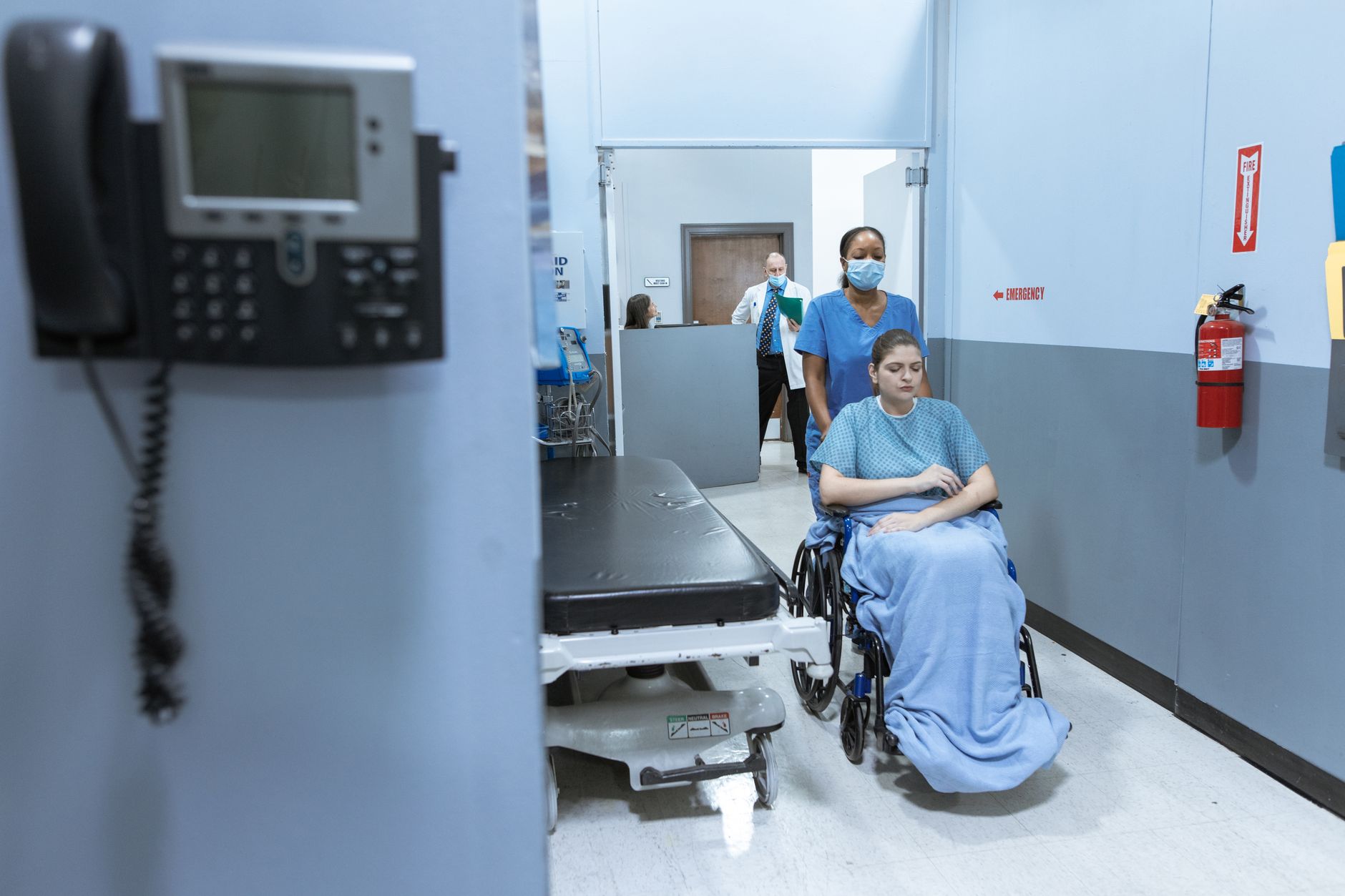
Moxi is a hospital robot with an arm, and Robotics 247 reports that it can open doors and interact with elevators. That is the capability that lets an indoor unit work between floors instead of staying in one corridor. Robotics 247 also notes that the arm distinguishes Moxi from Serve's sidewalk robots.
Serve's release, as carried by Nasdaq and Robotics 247, says Moxi operates in more than 25 US hospital facilities, with nearly 100 robots and more than 1.25 million completed deliveries or tasks. Those are vendor-reported counts. AIBusiness names Northwestern Medicine, ChristianaCare and Rochester General Hospital among the hospitals using the robot.
A customer list is useful for reference calls, but it does not audit uptime, repair times or how a fleet behaves on a night shift. Ask for those numbers directly.
What does the deal signal for hospital teams?
Three points in the reporting matter most. First, Serve says the two companies will share one autonomy stack, one data flywheel and one operating system over time. For a hospital, that reads as a roadmap, and it means a software change made for one fleet could reach your floors. Update policy deserves as much attention as the robot itself.
Second, Serve says it intends to scale Moxi further in hospitals and to extend the platform into other industries that need indoor navigation and manipulation. A vendor with a wider market has reasons to invest, but it also has reasons to rank hospital support against other priorities. Ask where your site sits in that plan.
Third, Serve projects annual sales of roughly $200k to $400k per hospital facility deploying Moxi. That is a vendor projection, not an independently verified figure. It shows how Serve expects the economics to work, which helps when a hospital negotiates terms, but it is no evidence that any single site will reach that range.
What changes for integrators?

For integrators and facility consultants, the deal changes the vendor map. One manufacturer that once handled hardware, software and field service now sits inside a larger company with a sidewalk business, a stated platform strategy and its own product priorities. Each of those areas needs a named owner in your documentation.
The practical test is the first service call. Confirm which entity issues firmware, which entity signs the service agreement and which team dispatches a technician when a unit stops in a corridor. If those answers are vague, the robot may be well built and still hard to keep running.
What should a facility team verify about support after an ownership change?
The public record has a gap. As of this writing I found no public statement from Serve or Diligent on changes to Moxi warranties, service terms, parts supply or support contacts after the transaction. Coverage so far addresses strategy and footprint. Silence in the press is not a service promise, so put these questions in writing before you rely on any answer.
- Written confirmation of the closing date and of the legal entity that now holds your service agreement and warranty.
- Whether warranty terms transfer unchanged, with the effective date and the remaining coverage period written out.
- Parts depot location, spare unit availability and lead times for arms, sensors and batteries.
- Remote triage hours, on-site dispatch commitments and the after-hours escalation path.
- Software update policy: who approves each release, how it is tested on your elevators and doors, and whether you can defer it.
- Data handling terms for maps and trip logs, including where those records are held after the transition.
Test support before you need it
Ask for a supervised run on your own elevators and doors, then place a support call on a weekday night and time the response. A backup robot program or spare unit coverage matters more in a hospital than in many warehouses, because a stalled unit can block a corridor that staff and visitors need.
Document every answer in one place. A written record turns the next support call into a conversation about facts rather than memory.

How should the numbers be read?
Most figures in this story come from the company or from press summaries of its release. The more than 25 facilities, nearly 100 robots and 1.25 million tasks are Serve's counts. The $29 million consideration is press-reported, and Serve's financial disclosure was not consistent across coverage. Diligent's total funding is also reported two ways, above $100 million in some stories and above $75 million in others, so cite neither figure without checking.
Read the reporting as a map of intent. It tells you where the vendor is heading and how fast it wants to get there. It does not tell you how a unit will perform in your building.
Where does Service Robot Co. fit?
Service Robot Co. is OEM-neutral. We are a full-service commercial robot integrator for US businesses, so we pick the right robot across manufacturers for each task, then lease it through financing, deploy it, integrate it, train staff and service it. Our lease runs three years, with one fixed lease payment quoted after a site assessment. RoboCare, our robot maintenance service plan, covers every unit we lease and deploy, backed by regional service engineers in each state we service.
That structure answers much of the ownership question. When one integrator is accountable for selection, deployment and service, a change at a manufacturer does not leave a facility team without a contact. You keep one number, one escalation path and one set of terms, whichever robot is in the corridor. Facilities comparing a hospital delivery robot lease with other robot lease options can ask for those terms in writing before they sign.
Frequently asked questions
Want a robot working for you?
Tell us the job and the site. We will recommend the robot, quote the lease, and keep it serviced.
Sources
Service Robot Co. is not affiliated with, sponsored by, or endorsed by the companies mentioned in this article.