
Key takeaways
- Patrol robots fit remote charging depots when the real objective is charger availability and documented overnight response, not novelty.
- Thermal sensing matters because overheated connectors, cabinets, and vehicle interfaces can become operational failures before staff arrive in the morning.
- Fixed cameras still own gates, charger rows, and electrical enclosures, while the robot covers the gaps and verifies alerts.
- Secure communications, local recording, and a clear human response workflow matter as much as the robot itself.
- A vendor neutral robot integrator can package the robot, fixed security layers, deployment, training, and service under one lifecycle program.
Do patrol robots belong at remote charging yards?
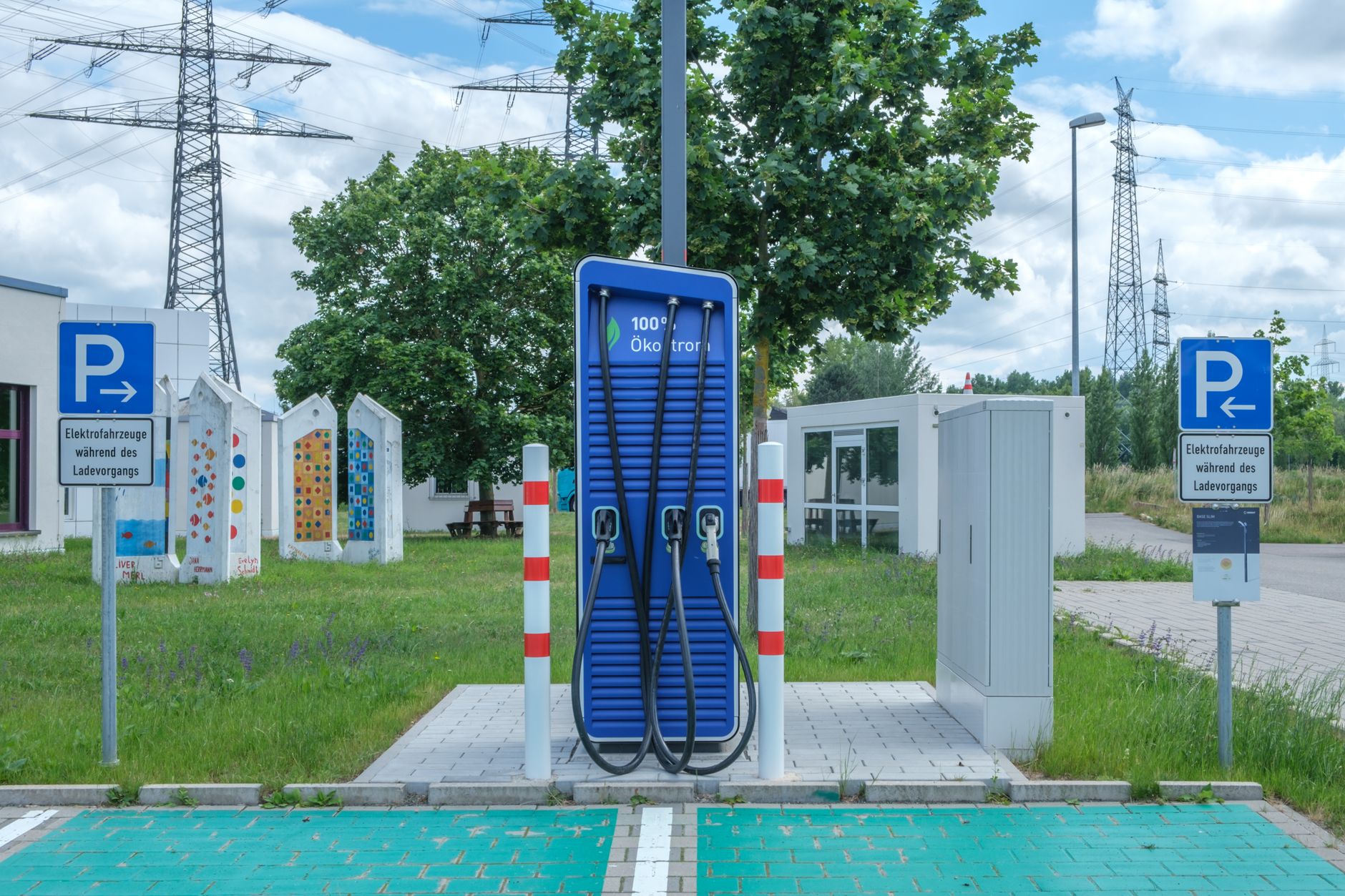
Yes, for the right site. A mobile patrol robot can add real value at remote EV fleet charging depots because it watches the gaps that fixed infrastructure misses: charger rows after midnight, parked vehicles between poles, cable handling at the pedestal, fence lines, and electrical gear that sits outside the main building. This use case is getting more relevant, not less. On August 29, 2026, the U.S. Department of Energy's Alternative Fuels Data Center counted 81,203 public charging locations and 255,428 public charging ports in the United States, including 75,288 DC fast ports.
For a fleet operator, that growth changes the security question. The job is not just keeping trespassers out. It is keeping chargers available, vehicles ready for morning dispatch, and every overnight event documented well enough to act on. A patrol robot works best as a roaming sensor and response layer inside a broader security design that also includes access control, fixed cameras, lighting, and a human who can verify alerts and decide what happens next.
The best fit is a depot that is lightly staffed overnight, has long charger rows or multiple lots, and cannot justify a guard walking the same route every hour. In that setting, an autonomous patrol robot can perform repeatable rounds, revisit an alert location in seconds, and give a remote operator eyes on scene without sending a person into an uncertain situation.
What risks matter most after midnight?
Think in terms of availability, not just crime. The Federal Highway Administration's NEVI rule says each charging port must maintain average annual uptime greater than 97 percent. That makes sabotage, minor vandalism, and blocked access operational problems, not side issues. J.D. Power reported in February 2025 that 20 percent of EV drivers who visited public chargers in the fourth quarter of 2024 were unable to charge, and among those failed visits, 9 percent cited a damaged cable or connector.
A fleet yard compresses that pain into a narrower window. When charging happens overnight, one cut cable, one disabled cabinet, or one unauthorized vehicle parked across a bay can ripple into missed departures by dawn. Remote depots are also attractive because they are quiet, lightly observed, and full of exposed copper, visible equipment, and parked assets.
- Cable theft, connector damage, and deliberate cutting of exposed cords
- Graffiti, vandalism, and cabinet tampering that turns into charger downtime
- Unauthorized people or vehicles at gates, fence lines, and electrical enclosures
- Overheating at charge handles, pedestals, service panels, or vehicle inlets
- Blocked stalls and after-hours parking that leaves fleet vehicles uncharged by morning
What sensor package separates a useful patrol from a gimmick?
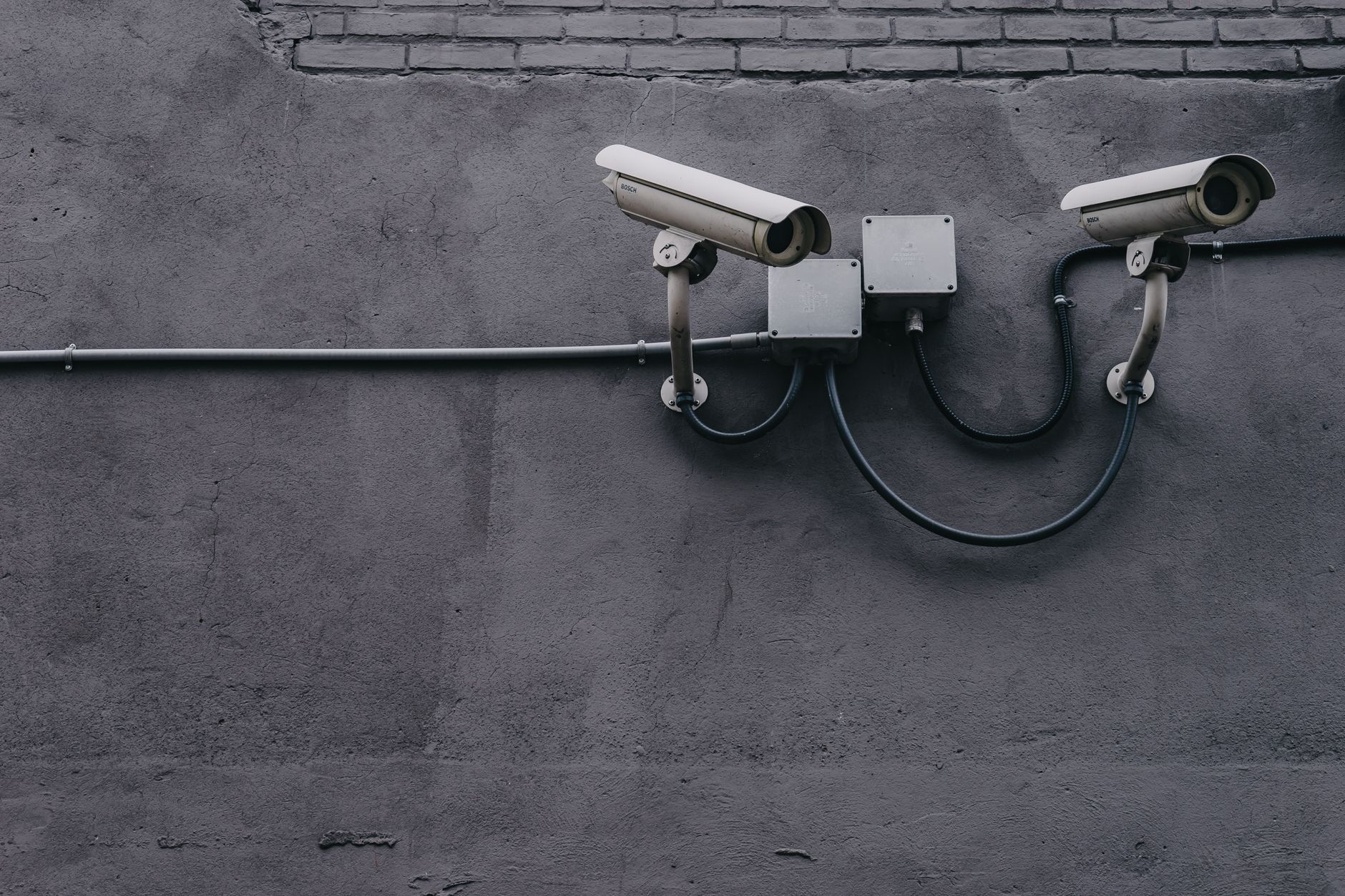
Start with cameras. One forward and one rear visible-light camera with strong low-light performance are the minimum. Add a wide contextual view for navigation and scene understanding, then at least one tighter view that can capture hands at the connector, door tampering at an electrical cabinet, and faces at a gate. NIST's Video Quality in Public Safety guidance distinguishes between general action detection and target positive identification. A depot needs both, but not in every view.
Thermal sensing should ride on the robot, not live only on the building. A mobile thermal imager can compare charger handles, pedestals, cable slack, switchgear doors, and vehicle charge ports from the same route every night. Add two-way audio, a strobe or spotlight, local recording, and edge analytics for loitering, line crossing, door-open, smoke-like plume cues, and unusual dwell time around chargers.
- Day and night visible cameras with one wide view and one identification-grade view
- A thermal imager aimed at chargers, electrical cabinets, and vehicle interfaces
- Two-way audio plus a visible deterrence device such as a strobe or spotlight
- Onboard recording that survives a backhaul outage
- Analytics tuned for fence breach, loitering, tamper posture, and after-hours vehicle movement
Why does thermal sensing matter so much here?
Because charging hardware fails hot long before a morning supervisor sees the aftermath. The U.S. Department of Energy says DC fast charging can add 100 to 200 plus miles of range in 30 minutes, and its fleet guidance notes that facility charging often happens overnight or during idle periods. High current, outdoor exposure, worn connectors, and repeated handling create exactly the kind of environment where abnormal heat matters.
Thermal does not tell you the root cause on its own, but it does give you early warning. A good overnight patrol looks for temperature outliers between adjacent dispensers, a hot connector left hanging, a cabinet door heating unevenly, or a vehicle inlet that is materially warmer than similar units in the same row. That lets a remote operator pause use of one charger, dispatch maintenance, and keep the rest of the yard running.
Fixed thermal cameras still belong on the highest consequence equipment, especially switchgear, service panels, and transformer areas. The robot earns its keep by filling the blind spaces between those fixed views and by bringing a second thermal angle to whatever the fixed system flags.
How should communications and remote response work?
Treat the depot like unattended operational technology. The Department of Energy's federal fleet cybersecurity guidance says EV charging providers should remove externally accessible jacks, encrypt communications and stored data, and include a tampering alarm or signal to the service provider. Your patrol robot and your chargers should share that discipline. Use protected management paths, role-based access, and local buffering when the backhaul drops.
The architecture should assume hostile networks and spotty coverage. In an August 2026 public service announcement, the FBI and EPA said incidents affecting internet-facing operational technology had been reported in at least seven states since July 27, 2026, and they recommended removing direct internet exposure, securing cellular modems, enabling logs, and using isolated access patterns such as private APNs or site-to-site VPNs. The alert was about water utilities, but the lesson carries directly to remote charging depots.
On the response side, keep the sequence simple. The robot detects or confirms an event. A remote operator receives live video, thermal, and map position. The operator issues audio or light deterrence if appropriate, opens an incident, and dispatches the next step: mobile guard, site supervisor, utility contact, maintenance technician, or law enforcement. If the event involves heat or electrical damage, the workflow should include a human-approved method to disable the affected charger without taking down the whole yard.
What makes the footage usable when something goes wrong?

Usable evidence starts before the event. Time sync the robot, fixed cameras, charger logs, access-control events, and gate activity to the same clock. Record the original clip at the highest quality the system can sustain, then export a working copy for review. If you only keep a compressed alert snippet, you may lose the hand movement that cut a cable, the plate on the vehicle that blocked a charger, or the sequence that shows whether overheating started before or after tampering.
Build a chain-of-custody habit, even if most incidents never reach court. Keep an access log of who reviewed or exported footage, preserve the original file, and attach incident notes that tie video to the exact charger, vehicle bay, and alarm. The point is not bureaucracy. It is making sure your insurer, your security team, and if needed law enforcement can trust what they are looking at.
This is also where robots beat a pure alarm stack. Instead of a single motion flag, you get contextual video from a moving viewpoint, a second look after the initial alert, and a tighter narrative of what happened before, during, and after the event.
Where do fixed cameras still beat mobility?
In the places that never move and must always be covered. The Joint Office of Energy and Transportation's June 2024 help sheet on physical safety and security at charging sites recommends well-lit charger areas, open lines of sight, surveillance cameras, signage noting 24/7 surveillance, emergency call access where cellular service is limited, fencing around electrical equipment, tamper-resistant hardware, and concrete-filled bollards. Those are permanent site design moves, and a patrol robot does not replace them.
Use fixed cameras for the zones where you need uninterrupted context and repeatable image geometry. That includes the vehicle gate, every pedestrian entry, the face of each charger row, help or payment interfaces if present, switchgear and transformer enclosures, and the broader lot overview that shows vehicle arrival and departure patterns. Keep landscaping disciplined too. The Joint Office says shrubs and bushes near chargers should stay at a maximum of 2 feet high so visibility is not lost.
- Vehicle gate and inbound drive lane for arrival context and plate capture where policy allows
- Pedestrian gates, fence cut points, and service doors for positive identification
- Each charger row for cable handling, bay blocking, and charger-to-vehicle interaction
- Switchgear, transformer, and service-panel enclosures with both visible and thermal coverage where needed
- A high overview of the lot so the robot's close-up footage always has fixed-camera context
How should a fleet operator buy this capability?
Start with the operating problem, not the machine. Map the depot by charger row, gate, electrical asset, parked vehicle density, lighting quality, and overnight staffing. Then define the few metrics that matter: verified intrusions, charger availability, time to assess an alert, false dispatches, and whether the morning fleet leaves charged. A commercial robot demo or robot pilot program should be judged against those numbers, not against how futuristic the patrol looks on night one.
This is also where a vendor neutral robot integrator matters. Service Robot Co. is a full-service commercial robot integrator for U.S. businesses, so the fit can be shaped around the site instead of around one manufacturer's catalog. For a fleet operator exploring a security patrol robot lease, robot as a service, or robot leasing for business, that means one vendor can finance, deploy, integrate, train, and service the program, with RoboCare™ service and a nationwide U.S. engineer network behind the rollout.
The practical benefit is lifecycle control. A remote EV depot usually needs more than a robot dropped at the curb. It needs fixed cameras, communications hardening, remote triage, incident procedure, and on-site dispatch when something actually breaks. Service Robot Co. can support purchase or lease models and monthly payment programs, but the more important point is simpler: one partner, one number, and one accountable team for the whole system.
Frequently asked questions
Sources
- U.S. DOE AFDC Station Counts by State
- U.S. DOE AFDC Electric Vehicles for Fleets
- Federal Register NEVI Standards and Requirements
- J.D. Power EVision Intelligence Report February 2025
- Joint Office Physical Safety and Security at EV Charging Sites
- DOE Federal Fleet Cybersecurity
- FBI and EPA OT Internet-Facing Devices Alert
- NIST VQiPS Discrimination Level