Key takeaways
- Split the job: mobile platforms handle travel, while lift assists or manipulators handle elevation and alignment.
- Rate payload from the complete wheel assembly, tooling, reach and center of gravity, not tire weight alone.
- Test every grip against wet, dirty and worn examples from the shop's real tire and wheel mix.
- A clean, dry, obstruction-controlled route is both an OSHA concern and a prerequisite for dependable mobility.
- Pilot one repeatable loop and measure interventions, technician touches, cycle time and load-control events.
The best setup divides transport from precise placement
For most commercial fleet shops, the best answer is not one do-everything robot. Use a powered mobile platform to carry tires and mounted wheels over distance, then use a lift-assist manipulator or properly integrated cobot where the load must be raised, rotated and aligned. Fixed cobots fit only repeatable stations such as mounting, balancing or inspection.
The deciding factors are the heaviest complete assembly, available grip surfaces, required reach and the worst floor segment on the route. If those vary widely, a technician-guided lift is often a better first step than full autonomy.
Start with frequent moves that add no diagnostic value: rack to bay, bay to machine and machine to outbound staging. Keep technicians in control of judgment, fastener work and final wheel-end verification.
Which workflows are suitable first?
A strong first workflow has a known source, a known destination and enough repetition to justify a dedicated fixture or route. The wheel should arrive in a predictable orientation, and exceptions should be easy to divert to a manual process.
Map actual touches across receiving, storage, service, balancing and disposal. Repetitive transport automation performs poorly when every job begins in a different corner of a crowded bay.
- Inbound staging to a vertical rack, with identity and destination confirmed before movement.
- Rack to service bay delivery, timed so the carrier does not block a lift or escape path.
- Wheel-end removal to a stable inspection cradle, followed by return for installation.
- Loading and unloading at a mounting, balancing or wash station with fixed approach geometry.
- Rejected casing and scrap movement to a segregated outbound area.
Three equipment families solve different pieces
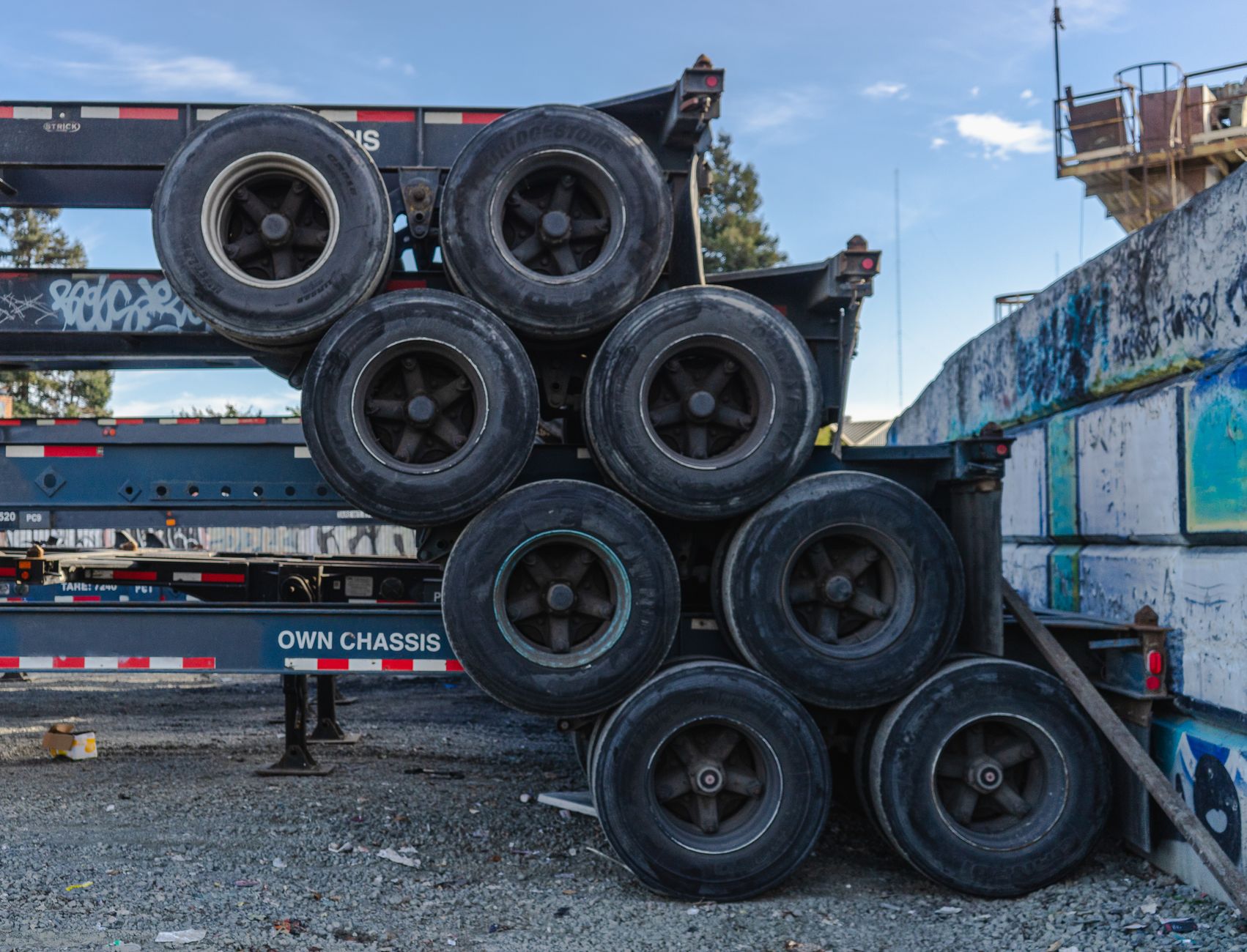
The architecture matters more than the machine label. Combining navigation and manipulation on one base adds reach and flexibility, but also adds stability, localization and safeguarding questions.
- A mobile carrier or autonomous mobile robot moves loads between zones. It needs a wheel cradle, positive retention and a safe load height, but usually does not perform precise hub alignment.
- A technician-guided lift assist carries the weight while the operator controls direction and placement. It suits variable bays, mixed wheel sizes and tasks where human feel matters.
- A fixed or mobile manipulator handles repeatable pickup, rotation and placement. Its end effector, reach envelope and safeguards must be engineered around the complete application.
- A roller rack or gravity fixture can remove short transfers without adding navigation. It is often the least complicated choice between adjacent stations.
Payload starts with the full moving mass
Payload is not the tire's catalog weight. Add the wheel, valve hardware, balancing material, adapters, gripper and retained debris, then evaluate capacity at the farthest working reach. An offset center of gravity can overload an arm or destabilize a mobile base even below the nameplate limit.
The NIOSH Revised Lifting Equation begins with a 51-pound load constant under ideal conditions, then reduces the recommended weight limit for reach, height, travel, twisting, frequency, duration and grip quality. NIOSH recommends a Lifting Index at or below 1.0. The 51-pound figure is not a universal safe-lift limit.
According to the U.S. Bureau of Labor Statistics, overexertion, repetitive motion and bodily conditions caused 946,290 private-industry cases involving days away from work, restriction or transfer across 2023 and 2024, the largest event category. That is national context, not a fleet-shop injury rate.
Weigh the assemblies the shop actually sees. Test the smallest, largest and unusual geometries at the lowest and highest pickup points, full reach, full steering angle and emergency braking. Required payload reserve should come from engineering calculations and validation, not an arbitrary percentage.
Grip geometry determines load control
A tire is round, compliant and frequently dirty. A mounted wheel adds hard edges, recessed bores and finishes that must not be marred. Outside-diameter cradles tolerate varied tread but need positive retention. Bore-expanding tools can locate a wheel precisely, yet bore access and dimensions must be consistent. Side clamps need controlled force.
Vacuum gripping generally requires a consistent seal, which tread blocks and contaminated rubber do not offer. Magnetic gripping acts only on compatible ferrous areas and still needs protection against surface damage and power loss.
Build the test set from real inventory: wet tires, worn tread, retreads, polished and painted wheels, unusual offsets and road grit. Verify presence detection, anti-drop retention, controlled manual release and finger clearance at every handoff. Pristine samples alone create false confidence.
Can the robot traverse a real fleet-shop floor?
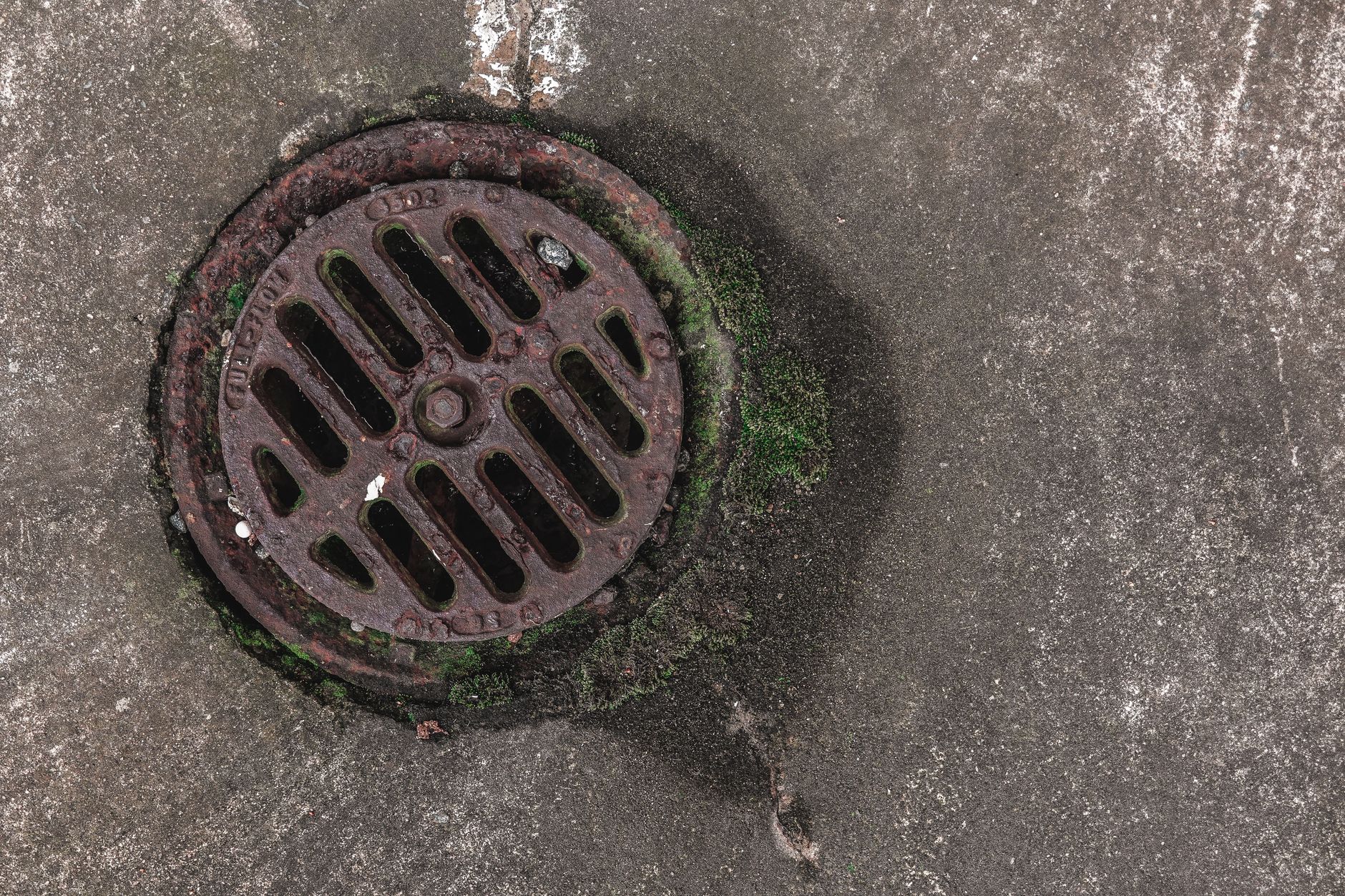
Trench drains, cross-slope, lift arms, wheel chocks, hoses, oil, water and threshold lips affect traction, clearance and stopping distance. A mobile base that carries the load on level concrete may scrape, spin or become unstable on the worst route segment.
OSHA's 29 CFR 1910.22 requires work areas and passageways to be clean and orderly, floors dry to the extent feasible, and surfaces free of hazards such as leaks and spills. Those duties protect people and define the housekeeping discipline an autonomous route needs.
Survey the route during live operation and test fully loaded. Record the narrowest aisle, blind intersections, door clearances, turning space, gradients, drain crossings, floor capacity and places where trucks reverse. Define who clears a blocked path and where the platform waits without trapping a technician.
An autonomous mobile robot lease or AMR leasing can limit buying risk, but the pilot still needs the production cradle, representative payloads and worst floor segment. A commercial robot demo on an empty polished aisle proves little.
Safety must cover the wheel, robot and technician
OSHA's 29 CFR 1910.177 applies to servicing single-piece and multi-piece rim wheels used on large vehicles such as trucks, tractors, trailers and buses. Servicing expressly includes handling, installation and removal. Employers must train affected employees and evaluate their ability to perform the listed tasks safely.
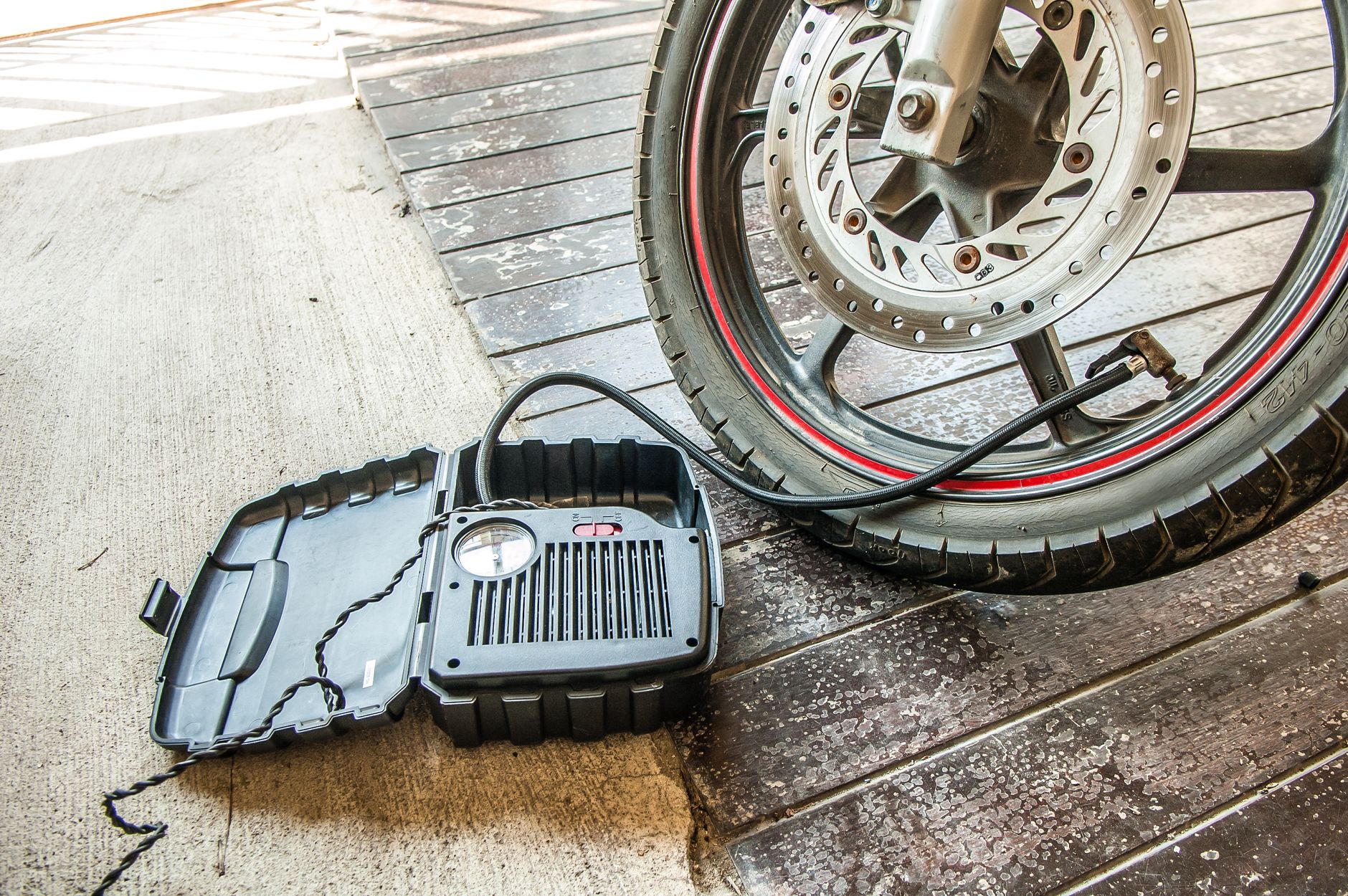
The rule requires a restraining device for inflating tires on multi-piece wheels and a restraining device or barrier for most single-piece wheel inflation. Required devices must withstand a separation at 150 percent of maximum tire specification pressure. A carrier or cobot does not replace that equipment unless expressly engineered and qualified for the role.
Keep robot motion and technicians outside the inflation trajectory. Automate the handoff into and out of the approved restraint, not the restraint itself. Preserve access to current rim manuals, inspection points and compatible-component checks.
OSHA's robot safety guidance calls for documented risk assessment through design, integration, operation and maintenance, with affected workers involved. A collaborative arm is not automatically a safe application. Assess caught-between points, struck-by hazards, load release, stored energy, platform movement, fault recovery and maintenance access. Validate protective stops, emergency-stop reach, restart behavior, lockout procedures and load holding after power loss.
A pilot should prove one loop before scaling
Choose a frequent loop with controlled exceptions, then run the full wheel matrix under representative traffic and floor conditions. A robot pilot program should include technicians from each affected shift in the risk review and acceptance test.
Measure attempted picks, successful retained picks, interventions by cause, technician touches, median transfer time, blocked-route time, battery coverage and every contact or load-control event. Track exception recovery separately. A fast average can conceal a fixture that fails on one common geometry.
Service Robot Co. can conduct site assessment mapping, arrange a commercial robot lease or material handling robot leasing, integrate fixtures and controls, train the crew and support the unit after go-live. As an OEM-neutral integrator, it can compare a mobile platform, lift assist and cobot around the workflow instead of forcing the shop around one catalog.
How should ownership and service be structured?
A stable, high-use route may justify purchase. An uncertain route or seasonal workload may favor robot leasing for business, a leasing arrangement or robot leasing monthly. Compare identical scope: end effector, fixtures, safety hardware, commissioning, training, preventive maintenance, remote triage, on-site dispatch and replacement planning.
Service Robot Co. finances, deploys, integrates, trains and services commercial robots through a nationwide U.S. engineer network. Fleet operators get one vendor for the lifecycle and one service path across mixed equipment. The partner that selected the robot that fits your floor also owns go-live support and the commercial robot repair service plan.