Key takeaways
- Robots are best at first-look storm triage, not final occupancy or repair sign-off.
- Drones cover roofs and facades fast, crawlers handle low-clearance spaces, and quadrupeds work inside wet or debris-strewn interiors.
- Usable damage records need timestamps, location tags, context shots, closeups, and notes on water depth, openings, and blocked access.
- The biggest advantage comes from an event-driven plan that launches in hours, not from owning a gadget with no response playbook.
What should a property team do in the first inspection window?
After a storm, the first job is triage. Find where the envelope was breached, where water entered, which areas are unsafe to enter, and what must be documented before cleanup starts. That is where drones, crawlers, and quadrupeds fit. They let a property team get eyes on roofs, facades, mechanical spaces, and flooded interiors quickly, without sending staff onto slick membranes or into standing water just to collect first pictures.
This matters because the robot pass is not the same thing as the licensed inspection. It is a fast evidence-gathering layer. The footage, images, maps, and notes help owners, insurers, restoration firms, and engineers decide what needs a closer look, while the actual occupancy call, structural judgment, and sealed reports still stay with qualified human professionals.
According to NOAA's annual U.S. climate report for 2025, the country saw significant flooding in every season and region, July alone generated 1,434 flash flood warnings, and the preliminary tornado count reached 1,559, or 127 percent of the 1991 to 2020 average. When storms stack up like that, the bottleneck is rarely finding repair vendors first. It is getting reliable field evidence fast enough to direct them.
Why storm triage now needs more speed
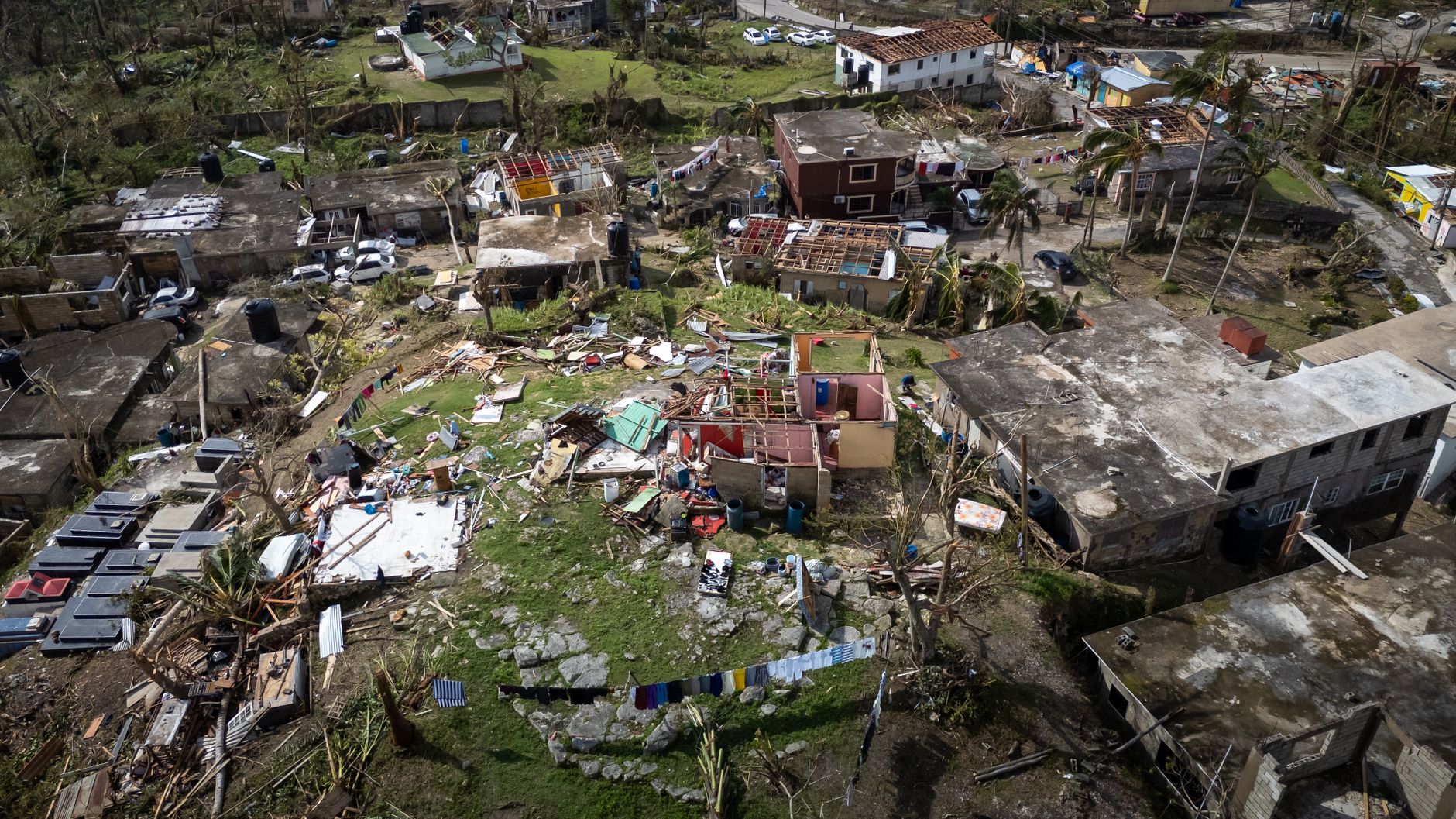
The damage pattern after severe weather is messy and uneven. One roof zone loses membrane, another keeps its surface but takes water at the parapet, a third stays dry while a downspout backs up two floors below. According to NOAA's 2024 U.S. climate report, the United States logged 27 separate billion-dollar weather and climate disasters in 2024, including 17 severe storms, five tropical cyclones, and one flooding event, for $182.7 billion in losses.
For commercial properties, that kind of event volume turns inspection into a race against secondary damage. Wet insulation sags, trapped water migrates, electrical rooms stay off-limits, and tenants want answers before the site has even finished pumping out. Event-driven inspection is the discipline of treating a storm like a trigger, not a surprise. The inspection workflow is defined before the sky clears.
Which robot belongs on the roof, the facade, and the wet floor?
Each robot class earns its place in a different slice of the building. Drones are the fast top-down tool for roofs, coping, parapets, rooftop units, screens, and facade elevations. Ground crawlers are the low-clearance specialist for crawlspaces, pipe chases, under-deck voids, and other areas where a person moves slowly or should not enter first. Quadrupeds are the bridge between those two, able to walk mechanical levels, parking decks, service corridors, and partially flooded interiors while carrying cameras, thermal sensors, or gas monitors.
The mistake is asking one machine to do the whole job. Post-storm inspection works better as a tiered package: aerial overview, tight-space look, then interior route walk. That is one reason inspection robot rental and mixed-fleet planning can make sense for property teams with seasonal storm exposure. The operational need is burst capacity, not permanent hardware parked on a shelf.
- Drones: roof membranes, flashing, drains, facade panels, broken glazing, rooftop equipment, sitewide mapping views
- Crawlers: low-clearance voids, crawlspaces, pipe racks, underfloor mechanical areas, saturated utility passages
- Quadrupeds: debris-strewn interiors, long mechanical corridors, parking decks, pump rooms, flooded approaches, repeat patrol routes
What counts as usable damage documentation?
Pretty footage is not enough. The record has to stand up in a claim file, a contractor scope review, and an engineer's follow-up visit. The National Association of Insurance Commissioners advises documenting all losses before cleanup and contacting the insurer quickly because most carriers impose reporting deadlines. That guidance is basic, but it is routinely missed when teams start tearing out wet material before the condition is captured.
A strong robot pass creates both context and detail. Start with wide shots that show where the damage sits on the building, then capture closeups of punctures, uplift, cracked sealant, displaced panels, standing water, and water lines. Tie every image set to time, location, and building area. The goal is to make a later human inspection faster and more decisive, not to drown the team in unstructured media.
- Timestamp every flight, route, and image batch
- Tag the building, elevation, roof zone, room, and access point
- Capture context shots first, then closeups with scale where possible
- Note water depth, active leaks, blocked drains, debris fields, and unsafe access
- Separate confirmed storm damage from older wear so follow-up teams can price the right work
Where drones earn their keep
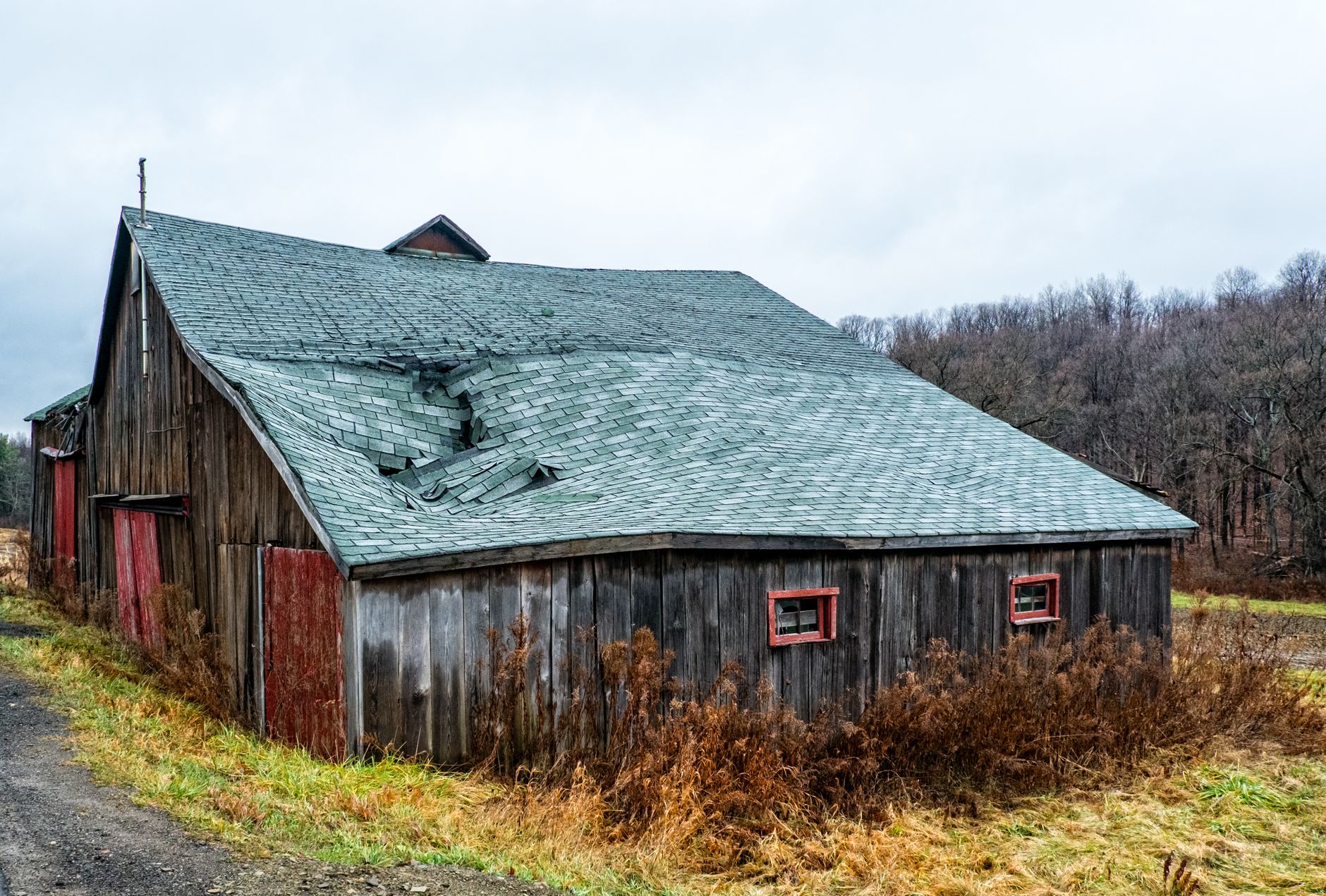
Roofs and facades are where drones save the most time. A drone can scan a large commercial roof in minutes, flag obvious membrane loss, ponding, detached coping, displaced screens, and impact points around rooftop equipment, then pivot to facade elevations and upper glazing without bringing in lifts on day one. That first map helps the property team decide where temporary drying, tarping, or restricted access belongs.
There are still hard rules. The FAA's Part 107 commercial drone rules require the aircraft to stay within visual line of sight, operate in at least three miles of visibility, and generally stay at or below 400 feet above ground unless it remains within 400 feet of a structure. The FAA also notes that temporary flight restrictions can be issued for natural disasters such as hurricanes, so the drone plan has to respect airspace, response traffic, and local coordination.
Why crawlers and quadrupeds matter below the roofline
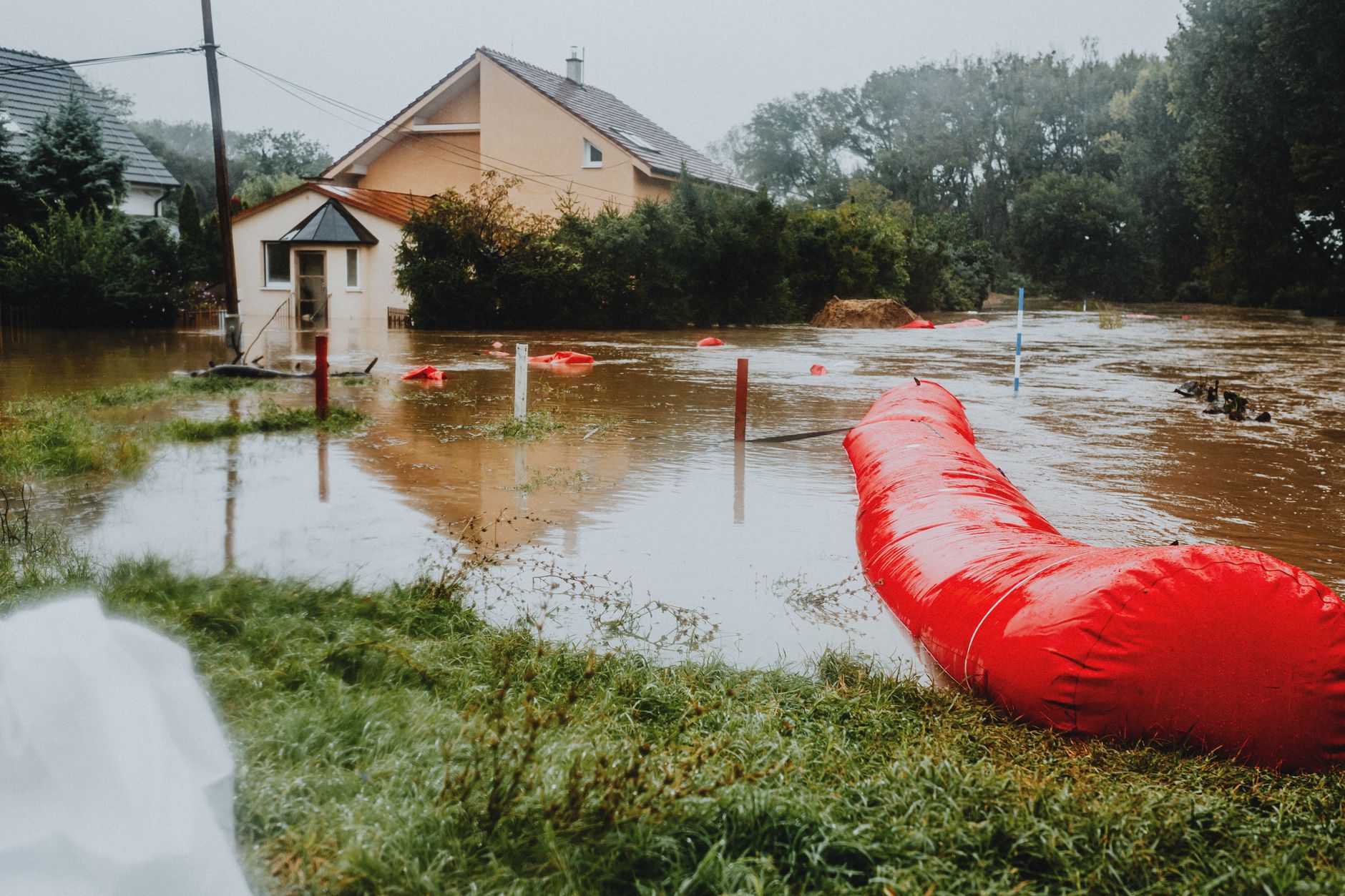
The most dangerous post-storm spaces are often the least visible ones. Flooded basements, below-grade mechanical rooms, crawlspaces, and utility corridors can hide electrical hazards, gas issues, unstable flooring, and contaminated water. OSHA warns that initial entry crews may face structural instability, live electrical equipment, fall hazards, gas leaks, and confined spaces that can contain atmospheric hazards.
That is exactly where a crawlspace inspection robot or a quadruped earns its budget. The machine can check water extent, door clearance, fallen ceiling material, equipment access, and route blockage before a human commits to entry. In larger properties, a quadruped can also repeat the same route every few hours, which is useful when water is still moving, pumps are cycling, or drying teams need a clean before-and-after record.
What still requires a licensed human professional?
The fast answer is anything that carries a life-safety, code, design, permit, or occupancy consequence. ATC's training materials for post-disaster evaluations say rapid building evaluations typically take 10 to 30 minutes per building and that the wind-and-flood ATC-45 field manual is written for building officials, design professionals, and emergency personnel determining whether damaged buildings are safe for occupancy. The robot run can support that work. It does not replace it.
So keep the line sharp. Use robots to document conditions, prioritize dispatch, and reduce blind entry. Use qualified human professionals to decide restricted use, unsafe areas, structural repairs, electrical recommissioning, and the formal sign-off your insurer, lender, or jurisdiction may require. Good post-storm programs do both, in that order.
How should an event-driven inspection program be set up?
The best programs are built before storm season. Pick trigger events in advance, such as hail reports, wind thresholds, flood alarms, tenant leak clusters, or utility shutdowns. Define the first four hours, 24 hours, and 72 hours: who launches the aerial sweep, who reviews media, who calls the roofer or engineer, and where the evidence lands. Event-driven inspection is less about buying a robot and more about removing hesitation when the call comes.
This is where Service Robot Co. fits. We are a full-service, OEM-neutral commercial robot integrator for U.S. businesses, so a property team does not have to piece together hardware, financing, deployment, training, and service from separate vendors. For sites that want an inspection robot rental, a crawlspace inspection robot, or a mixed package of mapping drones and ground robots, we handle robot deployment and integration, team training, remote triage, and field service through regional service engineers and depots in all 50 states. One partner, one number, when the weather turns.