Key takeaways
- Use separate sweeping and scrubbing passes for package litter, grit, salt film, and tracked-in moisture.
- Treat vestibules as priority zones, while keeping mats flat, dry, and outside the robot’s path.
- Map queue fixtures, accessible routes, exits, counters, PO Boxes, and employee doors as distinct operating zones.
- After-hours automation still needs traffic rules, remote alerts, inspection, and a trained local responder.
- Pilot the actual winter and package workload before choosing a robot or contract structure.
How can a robot keep a postal lobby clean after hours?
A commercial floor-care robot can maintain a post office retail lobby by running repeated sweeping or scrubbing routes through open floor areas, vestibules, self-service stations, and queue approaches. It removes routine soil outside counter hours while employees retain responsibility for spills, detail work, inspections, and exceptions.
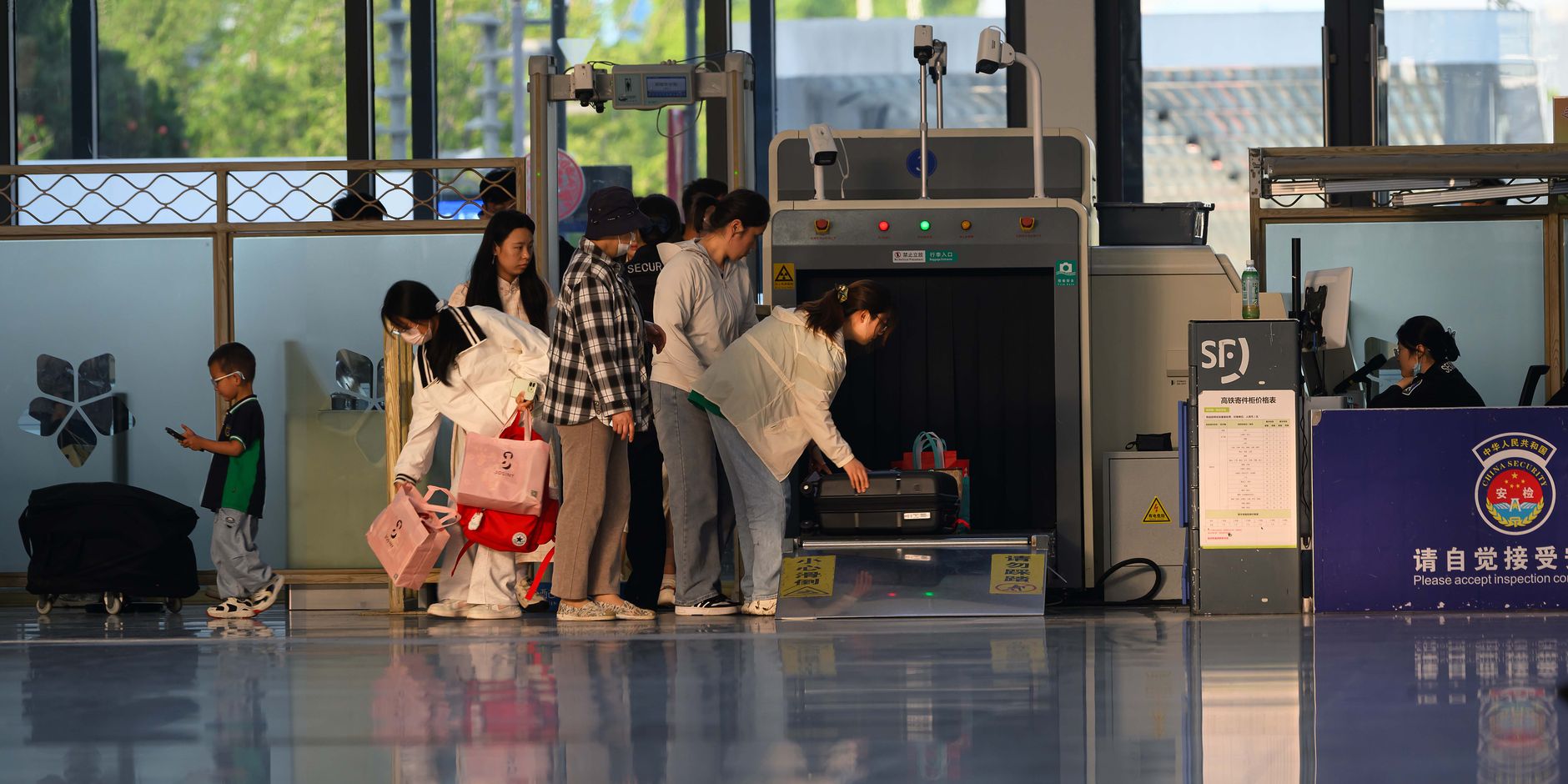
The route must be designed for a public building that may remain active after postal employees leave. Customers can still approach PO Boxes, kiosks, package lockers, and deposit points, so the robot should yield to people, preserve exits and accessible paths, and remain on the public side of every secured boundary.
The best program is not simply overnight cleaning with no operator. It is supervised autonomy: scheduled runs, defined no-go zones, remote alerts, documented recovery procedures, and a morning inspection. That operating model gives the lobby repeatable floor care without pretending that an unstaffed building is an empty one.
Why postal soil needs a two-stage cleaning plan
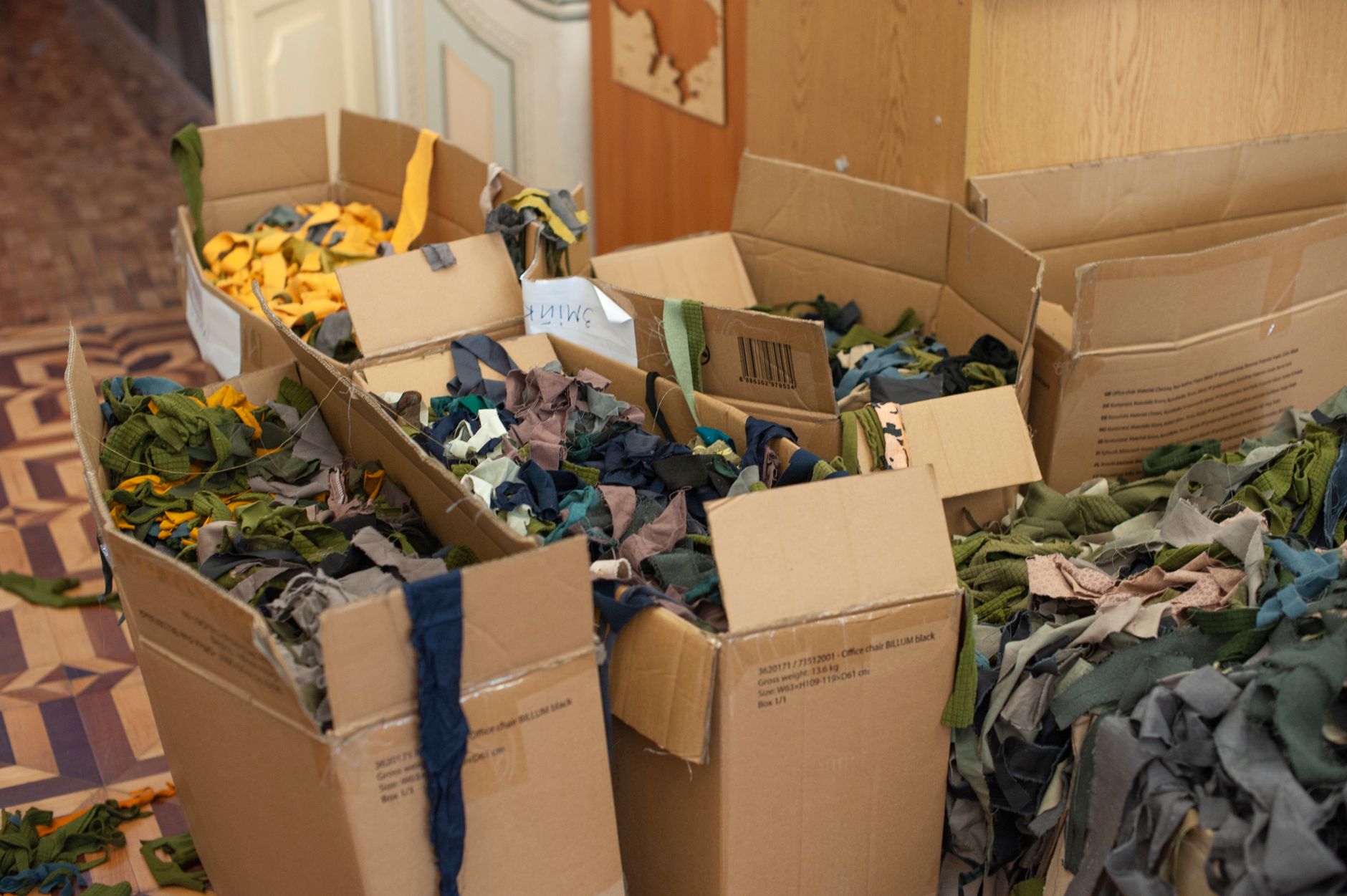
Postal lobbies collect an unusual mixture. Label backings, torn envelope windows, cardboard fibers, packing-tape fragments, and grit can reach the floor within minutes. In winter, shoes and cart wheels add brine, sand, and deicer residue that dries into a pale, abrasive film.
Loose debris should usually be removed before wet scrubbing. Otherwise, paper scraps can clog recovery components, grit can be dragged across the finish, and adhesive fragments can lodge around squeegees or brushes. A sweeping or vacuum pass followed by a controlled scrub is often more dependable than asking one aggressive wet pass to handle everything.
The cleaning recipe should also match the surface. Resilient tile, terrazzo, sealed concrete, entrance matting, and carpet tile do not accept identical brushes, chemistry, water flow, or recovery settings. Test the least aggressive effective process in a small area and obtain approval for the floor-care chemistry.
- Vestibule: sand, salt crystals, moisture, leaves, and grit concentrated near mat edges.
- Packing area: label liners, torn paper, tape fragments, and cardboard dust.
- Queue lanes: fine tracked soil and spills hidden beside stanchion bases.
- PO Box and locker approaches: repetitive foot traffic during periods when the counter is closed.
Vestibules are the control point
The vestibule is where exterior weather becomes interior floor risk. A robot should visit it more often than a low-traffic corner, but only after the site team defines where snow, standing water, and saturated mats exceed the machine’s approved operating conditions.
The National Institute for Occupational Safety and Health advises that entrance mats be large enough for several footsteps and that extra mats may be needed during ice, snow, and rain. It also warns that curled, ripped, or moving mats can create hazards. Robots do not replace that mat program. They work around it.
Map the inner and outer door swings, thresholds, floor transitions, heaters, trash cans, and mat edges. Keep docking elsewhere so charging cables and parked equipment never constrict the entrance. During storms, a sensible plan increases dry debris pickup and pauses wet scrubbing when recovery cannot leave the surface acceptably dry.
Secure routing keeps public and postal zones separate
A postal lobby contains boundaries that matter even when they look ordinary. Employee doors, retail counters, package acceptance openings, secured corridors, alarmed vestibule doors, and restricted service areas should be represented as hard no-go zones, not obstacles the robot is expected to rediscover on every run.
Start site assessment mapping from an approved floor plan, then verify it physically with facilities, security, and local operations personnel. The charging position should remain inaccessible to casual tampering, allow safe service access, and sit outside egress, customer circulation, and mail-handling routes.
Connectivity loss must produce a safe state. The robot should stop or continue only under a previously approved local behavior, retain its restricted zones, and report the event when communications return. Building access integration should never grant more door authority than the cleaning route requires.
- Permanent exclusions for counters, employee doors, deposit equipment, electrical rooms, stairs, and unsecured edges.
- Time-based zones for areas that are public during one period and restricted during another.
- A visible identifier and local contact procedure for postal staff or authorized contractors.
- Remote triage with an approved escalation path when the robot cannot resume safely.
After-hours operation is not unattended operation
The U.S. Postal Service said in September 2025 that 2,600 locations had enhanced self-service kiosks and 700 had smart lockers. Its modernized lobby program includes 24/7 locker access. That makes after-counter-hours traffic a normal design condition at participating sites, not an edge case.
Schedule the longest scrub for the quietest verified window, then use shorter touch-up routes where traffic persists. The robot should slow near entrances and self-service equipment, yield early, avoid approaching a stationary customer from behind, and wait rather than squeeze through a group carrying parcels.
OSHA’s walking-working-surface rule requires workplaces and passageways to be kept clean and orderly, floors to be kept dry as far as feasible, and surfaces to be inspected regularly and as necessary. Automation can perform recurring passes, but a named person still needs to review alerts, inspect the floor, address spills, and release the area after an abnormal stop.
How should a postal lobby pilot be measured?
Pilot the real operating envelope. Include a busy mailing period, a low-traffic after-hours window, a queue reconfiguration, and, where climate permits, salt or rain exposure. A polished demonstration on a dry, empty floor says little about February at an active self-service lobby.
Establish a manual baseline before deployment. Record labor time by task, not just total shift hours, because automation normally removes repetitive open-floor passes while leaving edges, fixtures, spot cleaning, mat care, waste, and inspection with people.
Service Robot Co. can conduct the free site assessment, compare OEM-neutral equipment, and structure a commercial robot pilot program around acceptance criteria. The goal is to select the robot that fits your floor and operating rules, rather than forcing one machine into every branch layout.
- Mission completion rate without unplanned human recovery.
- Verified area cleaned, missed zones, and repeat passes.
- Water recovery and visible dryness at route handoff.
- Stops caused by customers, parcels, moved fixtures, mats, doors, or connectivity.
- Brush, filter, squeegee, and debris-bin attention required per operating hour.
One lifecycle partner reduces operational friction
A postal operator or facilities contractor may need a compact scrubber at one branch and a sweep-capable machine at another. Service Robot Co. acts as a vendor neutral robot integrator, comparing machines across manufacturers and handling robot deployment and integration through one accountable relationship.
The same team can arrange purchase, robot as a service, commercial cleaning robot rental, or a floor scrubber monthly lease, then coordinate mapping, go-live support, staff training, remote triage, maintenance, and on-site dispatch. Contract terms should state exactly what maintenance included means, who supplies consumables, and how replacement equipment is handled.
That full-lifecycle model matters across a dispersed portfolio. Service Robot Co. supports units through a nationwide U.S. engineer network, giving the customer one partner and one number for financing, deployment, training, and service instead of separate contacts for each phase.