Key takeaways
- No federal rule sets mowing hours, so the local noise code and the community's lease rules define your window.
- Build a buffer inside the legal window, because early weekend starts and irregular visit days both draw complaints.
- As of November 2026, vendor and retailer sources quote robot mowers at about 54 to 65 dB, against 85 to 100 dB for gas units, though test methods differ.
- Log every complaint against visit times, crew, equipment and duration before you answer it.
What Hours Can an Apartment Crew Mow?
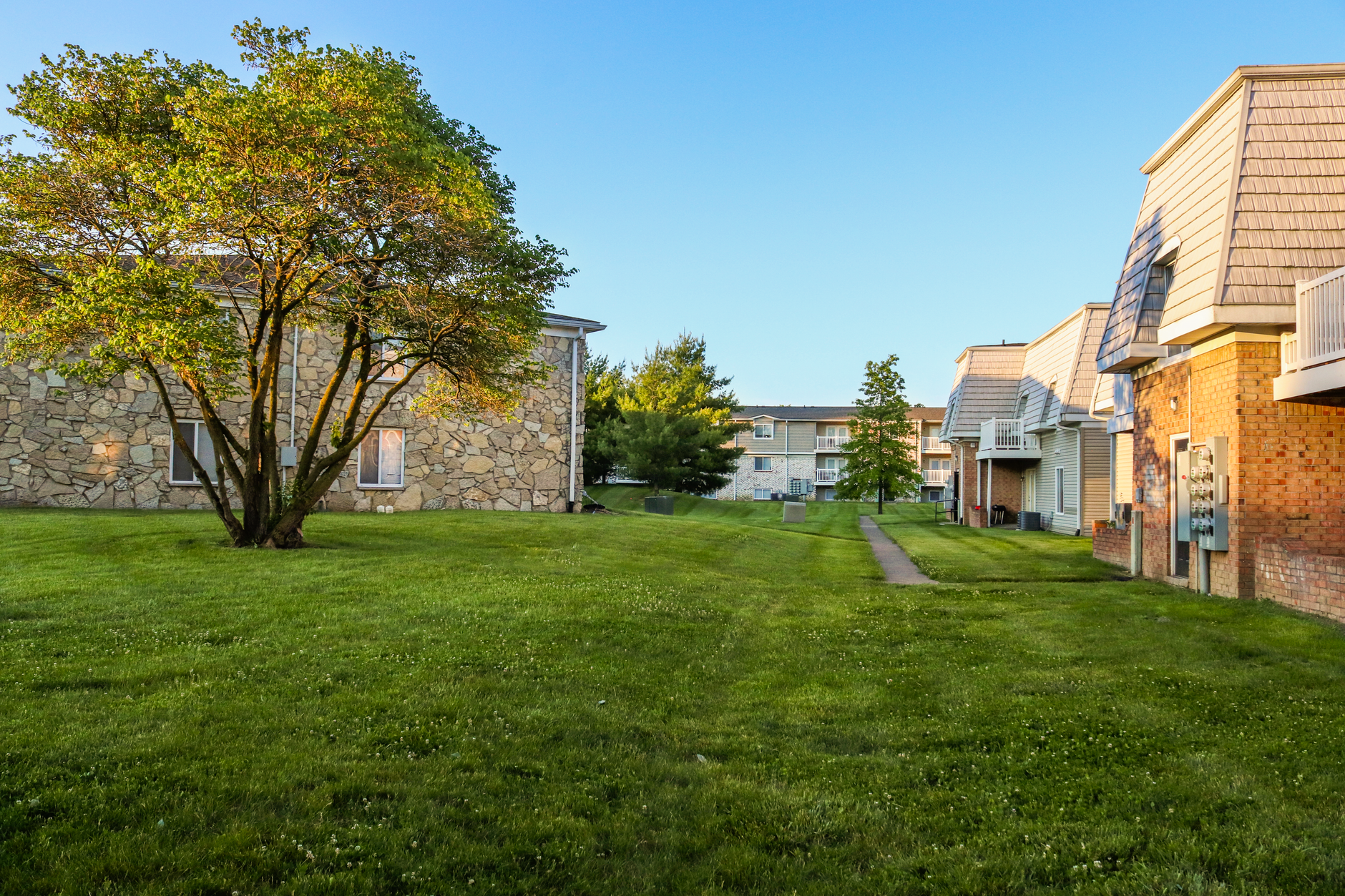
There is no single national window for mowing an apartment community. Federal law does not set mowing hours, so cities and states write their own rules, and the local code is the first thing to check before you quote any schedule. In many communities, the property manager's own policies and the residential lease rules can be stricter than the ordinance.
In practice, a workable plan starts with the local ordinance, takes out a buffer for residents who work nights or sleep late, and then fits office and leasing traffic into what remains. Autonomous mowers and supervised crews each have a place in that window.
Where Do Local Mowing Hours Come From?
Ordinances vary widely. According to the City of Newcastle, Washington, residential noise is allowed on weekdays from 7 a.m. to 7 p.m. and on weekends and legal holidays from 9 a.m. to 6 p.m., and early-morning lawn mowing is listed as an example of regulated noise. That weekend window starts two hours later and ends an hour earlier than the weekday one, which is exactly the gap a crew can miss without noticing.
Local governments also revise these rules. The Decatur, Georgia city commission voted to limit when lawn equipment can run under an amended noise ordinance, according to WSB-TV. In 2014, the Dallas city council cut weekend and holiday lawn-work hours to reduce early and late noise, according to the Dallas Morning News.
Some ordinances rely on decibel limits or property-line measurement rather than clock hours, and many apply only in residential zones. A mixed-use or commercial parcel may fall under a different test, so confirm the zone before you assume the residential window applies.

Why Weekend Mornings and Irregular Days Draw Complaints

Clock hours tell you what is legal, not what feels acceptable. A resident who sleeps in on Saturday hears a 7 a.m. start as a problem even when the ordinance allows it, and a lawful schedule does not end the conversation.
Visit pattern matters too. One contractor forum thread describes complaints aimed at different crews arriving on different days, not only at early starts. That account is anecdotal, but it matches the common pattern of residents reacting to unpredictability.
A schedule residents can predict is easier to defend than one that shifts each week, even when total hours match. Post the visit days, keep the crew rotation steady, and give residents one name to call.
Where Robot Mowers Fit in a Quiet-Hour Window
Robot mowers are often quoted as quieter than gas equipment. As of November 2026, Navimow's vendor blog gives about 54 to 60 dB for robotic mowers, and FJDynamics and the Sunseeker Elite retailer blog both give a 55 to 65 dB range. The Sunseeker blog puts gas push mowers at 85 to 95 dB and riding mowers at 90 to 100 dB. These figures are brand-reported, use different distances and test conditions, and are directional rather than a side-by-side spec.
A quieter machine helps only where the rule is decibel-based. In a clock-based ordinance, a robot running at 6 a.m. on a weekend in Newcastle would still fall outside the allowed hours. Check the rule type before you count on lower noise to buy you time.
Autonomous runs suit wide, repetitive passes across open turf. Supervised crew work covers edges, trimming, blowing and any task that needs a person near building entrances, and those jobs are best placed inside the daytime window.
How Service Robot Co. Fits Mowing Into a Tight Property Schedule
Service Robot Co. is a full-service commercial robot integrator. We pick robots across manufacturers, then lease, deploy, integrate, train and service them through our nationwide US engineer network, so a property team deals with one contact for the whole program. Our lease is a 3-year term with one fixed payment quoted after a site assessment.
For an apartment community, the site assessment is where the work starts. It maps the lawn, charging location, drains, cart paths and any quiet-hour boundaries, so the robot's run times match the ordinance and the office calendar before anything operates on the grounds.
How Should a Complaint Response Begin?
Answer within a working day. Acknowledge the concern, name the schedule, and avoid debating whether the noise is legal. A short reply with a contact name usually does more than a long explanation of the ordinance.
Then check the log. A noise log kept over several weeks is the evidence you need. An Ontario landlord-tenant guide recommends logging for three to four weeks, recording arrival times, duration and equipment. That guidance is for Ontario, Canada, not US law, but the habit transfers well.
Close the loop once the schedule changes. A note confirming the new window lets the resident see the change, not just hear about it.
What Belongs in the Complaint Log?
A log is only useful if it records the same fields every time. Keep it simple and consistent across crews and robots, so any complaint can be checked against the record within minutes.
- Date, start time and stop time for each visit
- Crew size, and whether the work was robotic, supervised or manual
- Equipment used and the source of any noise figure you quote
- Weather, including wind, wet grass or a rain delay that moved the start
- Lawn area or building zone worked, and whether the complaint came from a resident or the office
How Does the Management Office Shape the Window?
Office traffic, leasing tours and move-in or move-out inspections compete with mowing for the same hours. Publish the mowing windows with the office, and avoid starting a noisy task just before a tour or inspection.
Tell the office which mowing days are fixed and which can shift. That lets the team answer a resident's question on the spot instead of escalating it.
Frequently asked questions
Want a robot working for you?
Tell us the job and the site. We will recommend the robot, quote the lease, and keep it serviced.
Sources
- City of Newcastle, WA: noise regulations
- WSB-TV: Decatur city commission votes to limit lawn equipment hours
- Dallas Morning News: Dallas city council trims hours for weekend mowing
- Lawyerinfo: Ontario landlord-tenant guide on noisy landscaping crews
- Navimow blog: how loud is a lawn mower
- FJDynamics blog: are robotic lawn mowers quiet
- Sunseeker Elite blog: how many decibels is a lawn mower
- Lawn mower forum: different crews throughout the week