Key takeaways
- Manual thermography stays valuable for baseline diagnosis, confirmation, and repair planning.
- Robot rounds earn their keep when the same assets need thermal checks far more often than a quarterly or annual walk-through.
- Repeatable stop points, viewing angles, and load notes make trend review far cleaner than ad hoc handheld passes.
- Robots reduce needless room entries, but OSHA still reserves testing and energized electrical work for qualified people.
- The strongest program mixes both methods: robots for routine monitoring, people for judgment, verification, and corrective work.
Which method is the better fit for most electrical rooms?
For most electrical rooms, handheld thermography is still the best tool for a deep diagnostic visit, but robot rounds are better for disciplined monitoring. If you need a technician to open the right enclosure, compare phases on the fly, chase a suspicious feeder, and decide what to test next, use a person. If you need the same assets scanned again and again from the same positions, a robot route is usually the stronger method.
As of August 2026, NFPA LiNK lists NFPA 70B in its 2023 and 2026 editions as the Standard for Electrical Equipment Maintenance, while 2019 and earlier are labeled recommended practices. That matters because electrical maintenance has moved toward a more formal, documented discipline. Robot rounds fit that discipline well. They make recurring inspection easier to schedule, easier to trend, and easier to prove.
The important caveat is human authority. A robot can gather thermal and visual evidence. It cannot accept electrical risk, verify deenergization, torque a connection, or sign off a repair. The best answer for most commercial facilities is not manual thermography instead of robot rounds. It is robot rounds for repeatable surveillance, backed by qualified people for interpretation and action.
Why does measurement consistency matter so much?
Thermography is only as honest as the inspection conditions. According to Fluke's electrical inspection guidance, meaningful scans usually want equipment at at least 40 percent of typical load, and metal cabinets block the camera unless the enclosure is open or an infrared viewing path exists. Change the load, the viewing angle, the distance, or the amount of airflow across the gear, and the trend can drift even when the equipment has not.
That is why route repeatability matters more than flashy images. A 2020 Robotica paper on electrical distribution rooms reported more than 200 autonomous inspection units serving about 160 rooms, with status recognition precision up to 99.70 percent and average inspection time of 13.5 seconds per device. Those numbers come from fixed stop points, consistent sightlines, and disciplined route geometry.
A 2018 Infrared Physics and Technology paper compared robot thermography with a trained thermographer and validated autonomous inspections at 2.0 m, 3.5 m, and 5.0 m from the target. That detail is easy to miss, but it goes to the heart of the comparison. When the camera revisits the same asset from known distances, smaller temperature changes become more trustworthy.
How much does inspection frequency really change the outcome?
Frequency is where robot rounds pull away. A manual survey can be excellent and still miss the fault if it happens on the wrong day. In a 2018 IET Generation, Transmission and Distribution paper, the authors described manual thermal monitoring as often occurring only once a month, roughly 10 to 12 times per year, before the engineer moved to other sites.
Electrical rooms rarely live at one stable load. Start-up surges, afternoon HVAC peaks, generator tests, battery recharge cycles, and seasonal shifts all change the thermal picture. A robot that can run daily, nightly, or at every shift change does not just collect more images. It samples the room across the actual operating rhythm of the facility.
That extra cadence is especially useful for faults that are real but intermittent. A slightly loose bolted connection may look calm on a cool morning and ugly under late-day load. A manual program may never catch that moment. A robot route has a much better chance because it can keep returning without consuming another technician day.
What does each method actually do better?
Handheld thermography still owns the investigative visit. A skilled thermographer can move off the prescribed route, change angle, compare similar components under similar load, and combine the image with sound, smell, current readings, voltage readings, and operating context. When the story is unclear, the human inspector is still the better instrument.
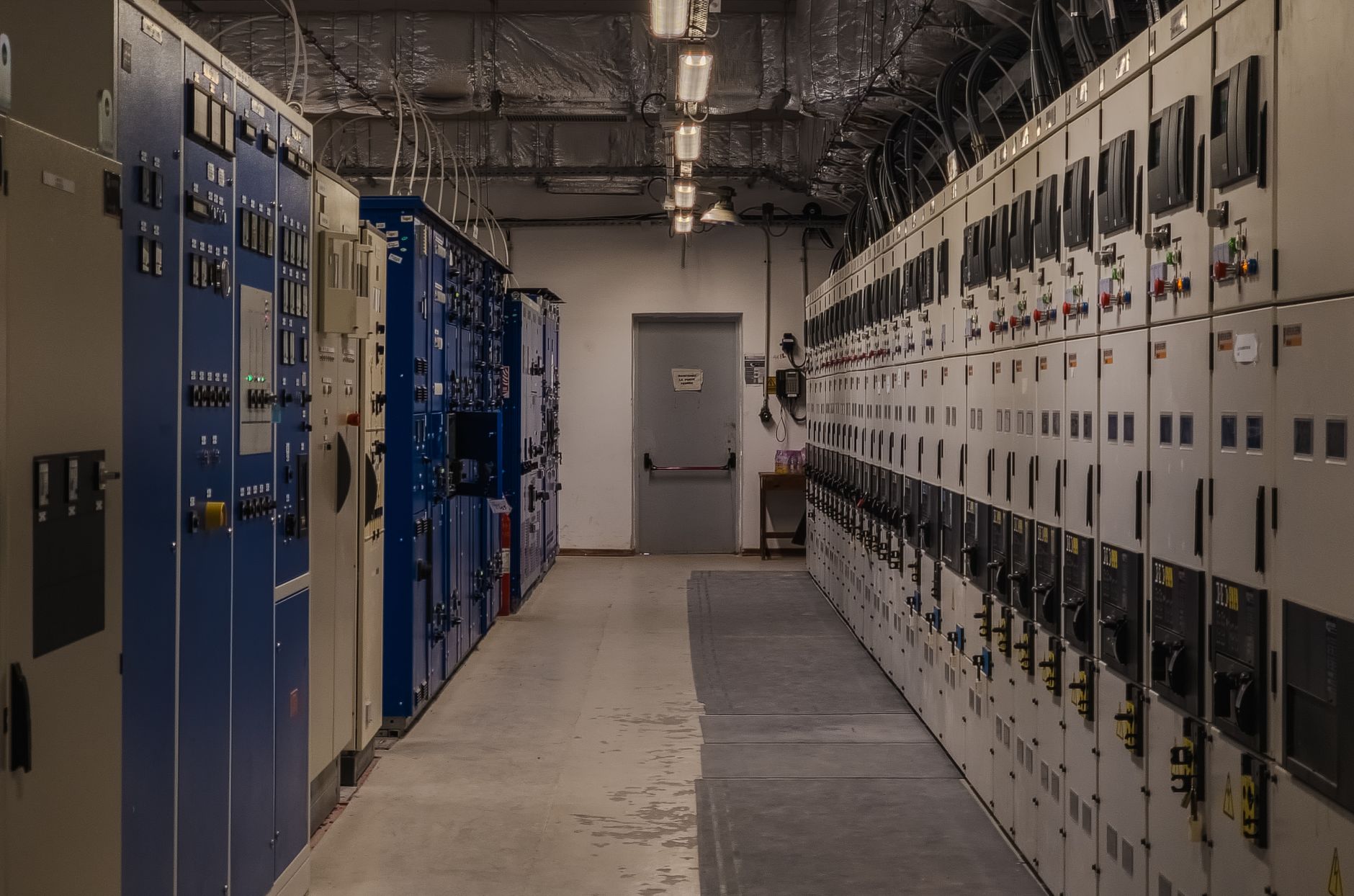
Robot rounds excel when the targets are known and the objective is consistency. Give the route safe viewing points at switchgear, motor control centers, UPS gear, transfer equipment, and panelboards, and the robot becomes a patient watchkeeper. It never rushes the last cabinet because the shift is ending.
Fluke also notes a stubborn physical limit that matters here. Thermal cameras see surface temperature, not hidden interior conditions through solid metal. So a robot does best when the room is prepared for inspection with engineered sightlines, infrared windows, or other approved viewing arrangements. It is a monitoring layer, not a substitute for physical access planning.
- Manual surveys are strongest when the team needs a first-pass diagnosis on unfamiliar gear.
- Manual surveys are strongest when a suspect panel requires odd angles or close-up follow-up outside a fixed route.
- Manual surveys are strongest when thermal findings need to be paired with clamp-meter, voltage, ultrasound, or process checks in the same visit.
- Manual surveys are strongest when maintenance may happen immediately after the finding.
Access and exposure are not minor details
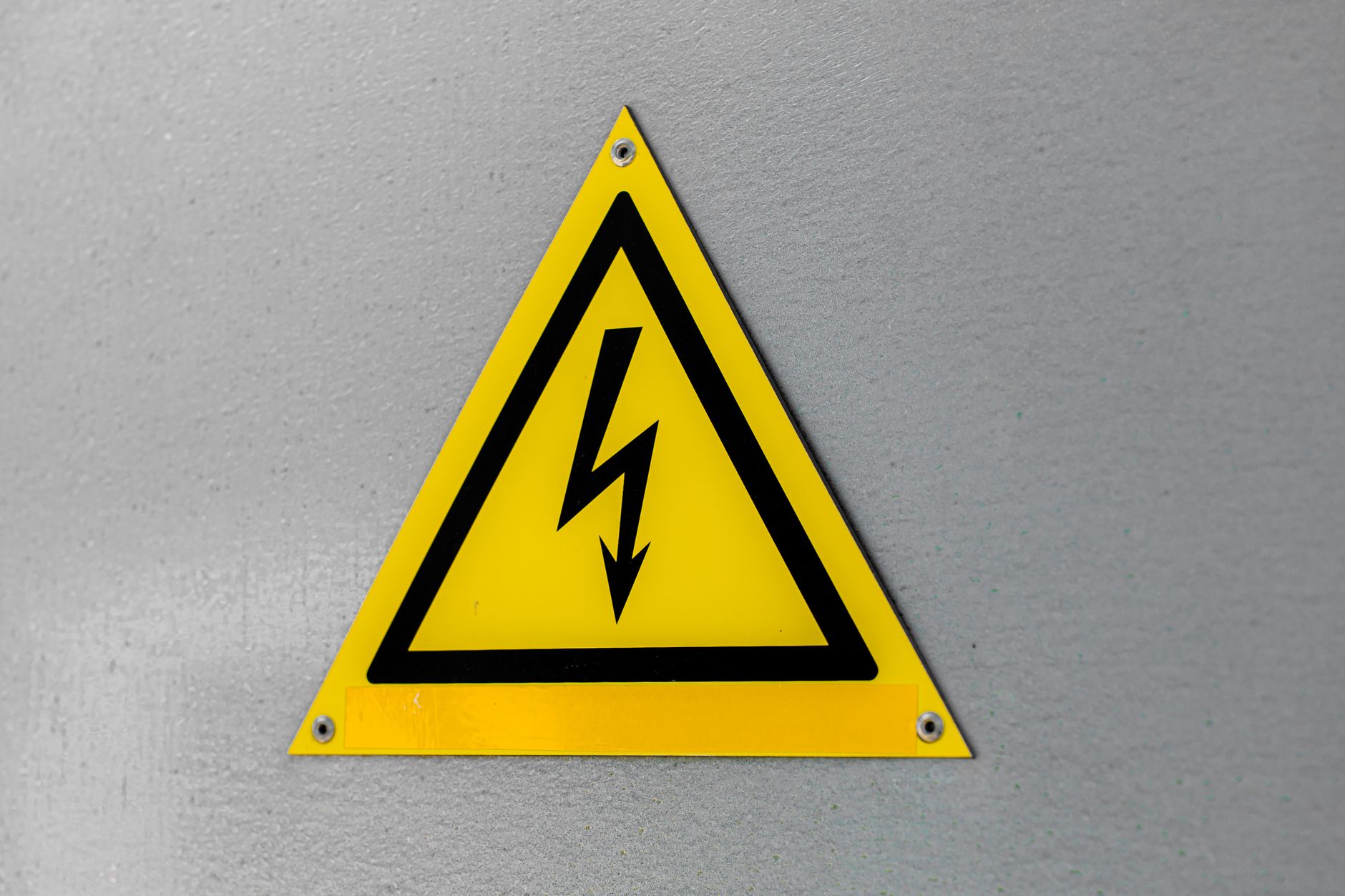
Electrical rooms are not ordinary hallways. OSHA 1910.399 defines a qualified person as someone trained and able to demonstrate skill and knowledge in the construction and operation of electric equipment and the hazards involved. OSHA 1910.334 says only qualified persons may perform testing work on electric circuits or equipment.
OSHA 1910.333 goes further. Exposed live parts should be deenergized before employees work on or near them, unless deenergizing creates added hazards or is infeasible because of equipment design or operations. That does not turn every inspection into a shutdown event, but it does underline the value of reducing needless proximity to energized gear.
Robot rounds help on that specific point. They let facilities collect routine thermal and visual evidence with fewer human entries, fewer repetitive approaches to the same cabinets, and better use of qualified labor. What they do not do is erase electrical procedure. A robot cannot verify absence of voltage, apply lockout-tagout, remove a deadfront under permit, or decide a hotspot is safe to ignore.
How does anomaly review change with repeatable routes?
A repeatable robot route changes the quality of post-inspection review. The same breaker cell is imaged from the same offset, with the same naming convention, at the same stop point, and often at the same time window. When a temperature rise appears, the maintenance team spends less time arguing about camera position and more time deciding what the change means.
That continuity turns isolated images into a trend archive. A component may run warm only during generator exercise, only after a humid weekend, or only once the building hits full occupancy. With robot rounds, those patterns show up in sequence instead of disappearing into a folder of disconnected survey reports.
According to Fluke's summary of NETA guidance, immediate action is warranted when similar electrical components under similar loads differ by more than 15 C, or when a component sits more than 40 C above ambient. Thresholds like that are much easier to apply when the comparison images are genuinely comparable.
Where does Service Robot Co. fit in a real deployment?
Deployment is the hard part. A useful electrical-room program needs site assessment mapping, safe viewing strategy, route commissioning, docking and charging, network review, alarm routing, historian or CMMS integration, operator training, and go live support. That is true if you buy outright and it is just as true if you start with inspection robot rental.
Service Robot Co. handles that work as an OEM-neutral, vendor neutral robot integrator for US businesses. We can structure lease rental or sale, robot leasing for business, or monthly payment programs when a facility wants no upfront capital. Then we finance, deploy, integrate, train, and service every unit through a nationwide US engineer network.
For operators managing several sites, that single relationship matters. One partner, one number, maintenance included, with remote triage, on-site dispatch, commercial robot repair service, and emergency response nationwide. The goal is not to drop a machine in the room and disappear. The goal is a route that keeps producing usable inspection evidence month after month.
The best operating model is mixed, not ideological
The best program is mixed, not ideological. Use robot rounds for routine baselining, after-hours checks, and high-cadence anomaly capture. Use qualified thermographers and electricians for baseline setup, route verification, alarm confirmation, electrical testing, repairs, and the judgment calls that thermal images alone cannot settle.
If your electrical rooms are lightly loaded, easy to access, and already covered by disciplined annual or semiannual surveys, manual thermography may be enough. If they are critical, crowded, hard to schedule, or prone to intermittent heating, robot rounds add real value. Choose the method by required repeatability, required frequency, and the amount of qualified human follow-up the program can sustain.
Frequently asked questions
Sources
- OSHA 1910.399 Qualified person definition
- OSHA 1910.334 Testing work by qualified persons
- OSHA 1910.333 Electrical work practices
- NFPA LiNK 2026 NFPA 70B
- Fluke electrical thermography guidance
- IET paper on real-time thermal monitoring
- Robotica paper on electrical distribution room inspection
- Infrared Physics and Technology substation robot study