Key takeaways
- Standardize a small approved SKU catalog, then localize only what floor type, soil load, and protocol truly require.
- Forecast brushes, bags, and chemistry from cleaned area, dilution, and wear, not last month's invoices.
- Treat chemical compatibility as a governed matrix tied to SDS data, EPA label directions, and site protocols.
- Report consumables as cost per cleaned area so purchasing, operations, and service can see waste and stockouts early.
What does a fleet consumables program need to do?
To manage brushes, bags, and chemicals across a distributed cleaning fleet, build one program with three layers: a centralized approved-SKU catalog, site-level min and max stock rules tied to actual cleaned area, and a compatibility standard that travels across robot brands and building types. If those layers are in place, a multi-site operator can keep scrubbers, vacuums, and support equipment running without emergency buys, closet sprawl, or chemistry mistakes.
The practical split is simple. Standardize what should be common, such as pad grades, bag families, dilution methods, labels, and kit contents. Localize only what truly varies, such as floor finish, soil load, infection-control protocol, and storage footprint. Then let reorder points follow route output, lead time, and safety stock instead of whichever supervisor noticed an empty shelf first.
In 2026, that discipline has real financial weight. The U.S. Bureau of Labor Statistics reported in its July 2026 Producer Price Index release that cleaning and polishing products were up 5.1 percent from July 2025, and cleaning supplies and paper products retailing was up 6.4 percent. Consumables control is not back-office housekeeping anymore. It is margin control for every commercial cleaning robot rental, owned fleet, and robot as a service program.
Start with one approved SKU spine

Large institutions standardize before they scale. A current GSA page on the U.S. Navy's shipboard cleaner program groups approved cleaners into three buckets and notes easier transition when approved commercial item descriptions are used. Multi-site cleaning fleets need the same instinct. Reduce choice first, then automate replenishment.
That means one master catalog for brushes, pad drivers, pads, squeegee sets, vacuum bags, filters, defoamers, detergents, disinfectants, and secondary-container labels. Every item gets one owner, one naming convention, one approved substitute path, and one clear rule for where it may be used. A branch should not be free to buy a new blue pad just because the old blue pad was out of stock.
The catalog should carry enough detail to survive brand changes, technician handoffs, and local purchasing drift.
- Use case and approved surface types
- Compatible robot families and attachment interfaces
- Chemical family, dilution method, and secondary-container label
- Expected life in cleaned square feet, runs, or bag changes
- Storage class, PPE, and incompatibilities
- Primary supplier, backup supplier, and approved substitute
Forecast from cleaned area, not purchase history
Forecasting starts with work output, not purchasing history. For chemistry, the base equation is cleaned area per route, passes per route, machine recovery behavior, dilution ratio, and cleaning frequency per week. For bags and filters, model debris load and change frequency. For brushes and pads, model surface texture, edge work, soil, and operator habits.
This is where multi-site operators often misread demand. A floor scrubber for warehouses can share the same chemistry family as a lobby machine and still burn through brushes much faster because concrete texture, dust load, and route length are different. A night shift autonomous scrubber that quietly adds one extra weekend pass can change weekly detergent demand long before anyone notices a purchase spike.
Use forecast bands, not a single annual average. Wet months drag in grit. Retail resets increase adhesive residue. Healthcare outbreaks can shift a site from cleaner to disinfectant. A good forecast is operational. It follows the route map, not the general ledger.
- Average cleaned square feet per route and per week
- Chemical ounces or milliliters used per tank fill at the approved dilution
- Brush, pad, squeegee, bag, and filter life by floor type
- Seasonal adjustments for weather, events, and peak occupancy
- Supplier lead time plus receiving and put-away time
- Expected new routes, remodels, and temporary closures

Why chemical compatibility belongs in fleet governance
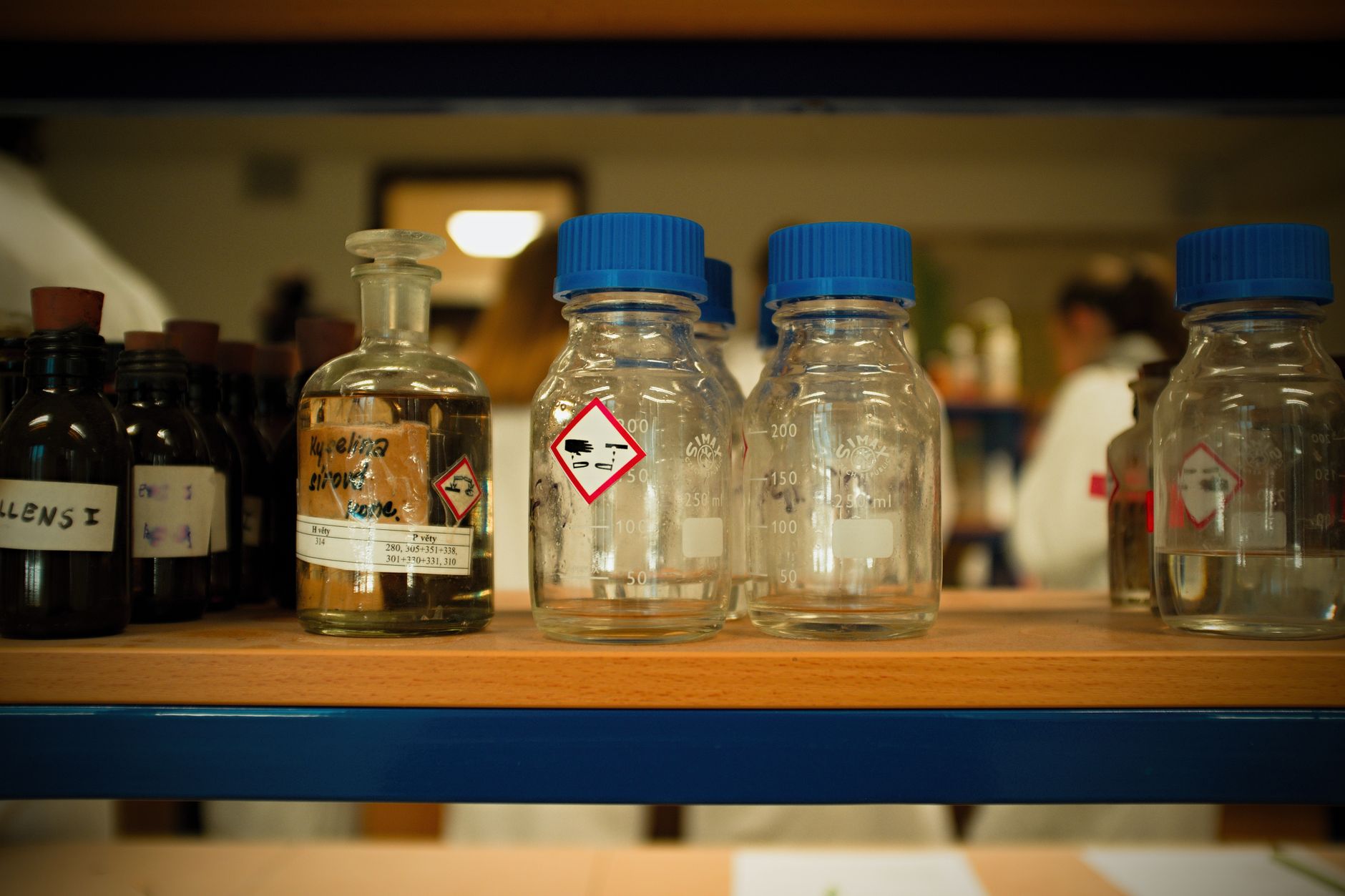
Chemical compatibility is not a purchasing note. It is fleet governance. OSHA's Hazard Communication standard requires a written hazard communication program, container labeling, safety data sheets, and employee training, and the agency's format calls for 16-section SDSs. Those sheets give you the raw material for a fleetwide compatibility matrix.
Build that matrix across tank chemistry, deck materials, hoses, seals, pumps, pads, bag media, floors, drains, and secondary containers. According to the OSHA and NIOSH cleaning-chemicals infosheet, disinfectants and sanitizers are generally more hazardous than cleaners, so a site should escalate to them only where the task or protocol truly requires it. Two jugs with similar names are not operationally equivalent if their dilution, contact time, or material effects differ.
The EPA's List N page, last updated May 21, 2026, makes the point plainly. Example entries on that page show contact times ranging from 0.25 minutes, which is 15 seconds, to 15 minutes, and the allowed surface and use-site categories vary as well. CDC says bleach should never be mixed with ammonia or other cleaners, and the OSHA-NIOSH infosheet warns that bleach-ammonia mixing can cause severe lung injury or death. Compatibility has to be written down, taught, and enforced.
- Approved task, cleaner or disinfectant, and target soil or pathogen context
- EPA registration status when applicable, plus exact label directions
- Required dilution band and allowed dispensing method
- Approved robot materials and floor surfaces
- Contact time, rinse rules, and drain or disposal notes
- Required PPE, ventilation notes, and incompatible products
Set local stock by failure mode, not by habit
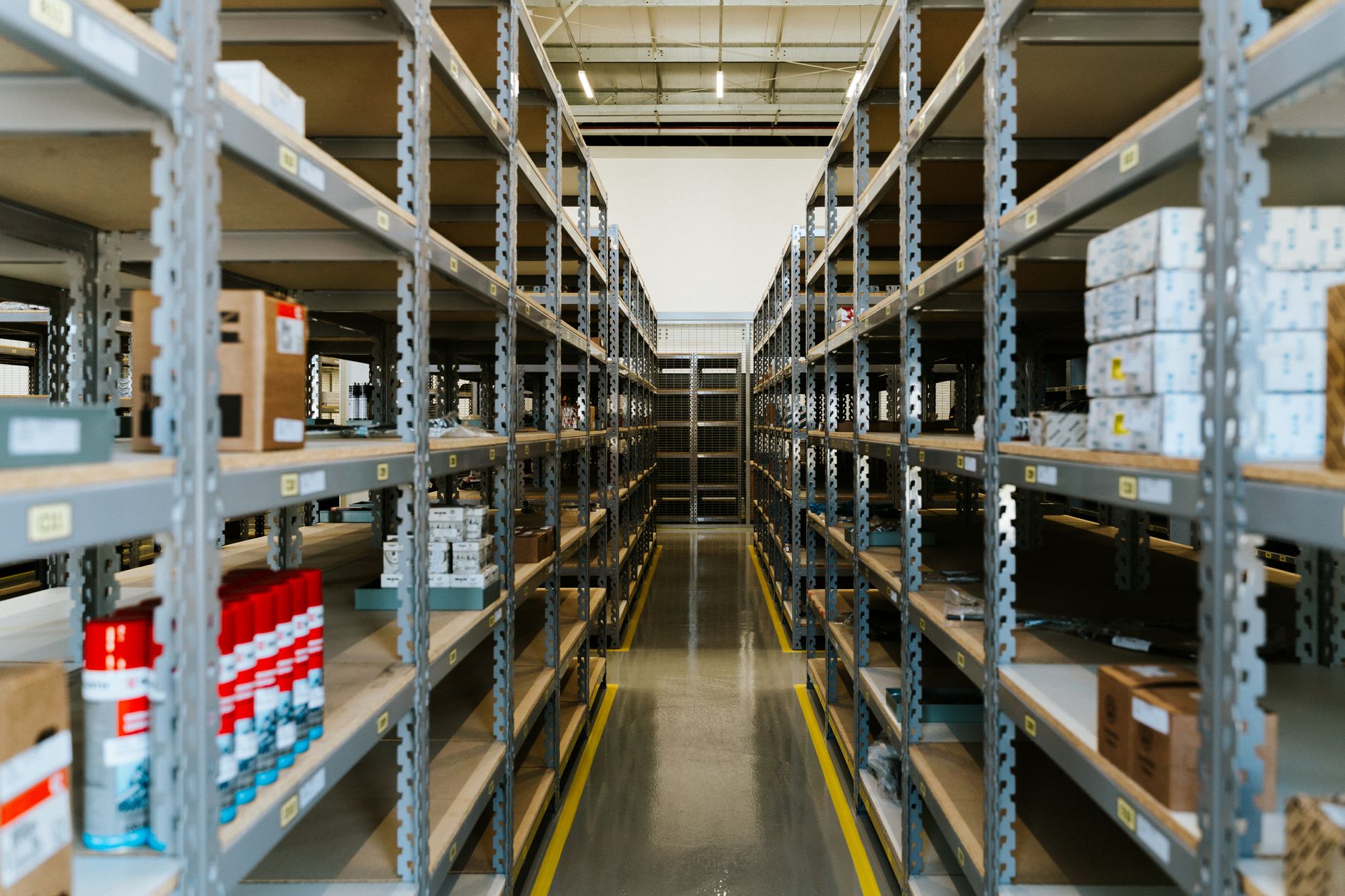
Stock policy should match failure mode. Keep central stock for predictable replenishment, site stock for daily uptime, and technician stock for field recovery. Each tier exists for a different reason. The central shelf protects price and availability. The local closet protects the route. The van or rolling kit protects response time.
Do not set one national par level for every building. A school with a small closet, a 24-hour hospital, and a warehouse with overnight cleaning no operator all consume differently and receive shipments on different rhythms. Set min and max levels per location, then revise them whenever routes, floor mix, or cleaning frequency changes.
Make reorder triggers mechanical and visible. BLS now projects about 321,800 openings a year for janitors and building cleaners from 2025 to 2035. In a labor market with that much annual churn, replenishment cannot live in one supervisor's memory. It has to live in the system, in the closet label, and in the weekly review.
- Reorder when on-hand falls below average demand during supplier lead time plus safety stock
- Force a review when cleaned area or route frequency changes
- Flag emergency replenishment when the last approved spare brush, squeegee set, or bag case is issued
- Recalculate after a chemistry change, SDS revision, or new floor finish
- Separate obsolete stock from active stock so dead inventory does not hide real shortages
Storage and labeling cannot be improvised
Storage discipline is part safety and part uptime. OSHA requires workplace labels on hazardous chemical containers and readily accessible hazard information. Every refill bottle, dilution jug, and decanted emergency bottle needs a real identifier and hazard cue, not a hand-written nickname that only one shift understands.
Use shelves and bins that reflect incompatibility, not purchasing category. Keep acids away from incompatible oxidizers or chlorine products. Keep bags and filters dry and sealed so they do not pick up moisture before use. Store wear items by first-in, first-out date so you do not discover brittle squeegees or outdated labels during a night launch.
When the goal is to simplify a multi-site chemistry set, the EPA's Safer Choice page is a useful filter. As of August 26, 2026, EPA said nearly 2,000 products qualified to carry the Safer Choice label, including options for facilities such as schools, hotels, offices, and sports venues. It is not a substitute for compatibility testing, but it can narrow the field when you are standardizing approved cleaners across a broad portfolio.
What should be in every technician kit?
Field service goes sideways when a technician arrives with tools but not the consumables that solve the ticket. Most fleet stoppages are not exotic failures. They are worn brush hubs, collapsed bags, damaged squeegees, empty jugs, missing labels, or a site using the wrong refill bottle.
Build one brand-neutral technician kit for first-response work and one heavier replenishment kit for planned preventive visits. If your operating model includes commercial cleaning robot rental, floor scrubber monthly lease, or other maintenance included programs, this is where the promise becomes real.
- Fast-moving brushes, pads, squeegee blades, and attachment hardware by approved family
- Vacuum bags, filters, and defoamer for each supported bag or filter platform
- Approved concentrate, dispensing aids, and labeled secondary bottles
- PPE tied to the relevant SDS, plus spill absorbent and cleanup supplies
- QR or printed access to SDSs, compatibility charts, and site-specific chemical approvals
- Simple consumption log so every field replacement feeds the next forecast
Measure cost per cleaned area, not cost per jug
Spend per month is too blunt. Track consumables as cost per cleaned area, then split that by site, route, robot family, and technician intervention. In US portfolios, a fixed reporting unit such as cost per 10,000 square feet keeps sites comparable without flattening the differences between a warehouse, clinic, grocery floor, or office lobby.
The math is straightforward. Allocate chemical use from actual tank fills or dispensing logs. Allocate brush, pad, bag, filter, and squeegee cost from withdrawals and replacement events. Then divide by verified cleaned area from the robot mission record. If your robot fleet management stack cannot join mission area to stock movement, it is missing the number that tells you whether a route is getting cheaper or sloppier.
This is also where current market pressure becomes visible. With cleaning and polishing products up 5.1 percent year over year and cleaning supplies and paper products retailing up 6.4 percent, cost-per-area reporting shows whether a site is suffering from price inflation, compatibility waste, excess route frequency, or poor storage discipline. It lets operations argue from evidence instead of anecdotes.
- Chemical cost per 10,000 square feet
- Brush and pad cost per 10,000 square feet
- Bag and filter cost per route and per 10,000 square feet
- Unplanned consumable-related service calls per site
- Expired, obsolete, or contaminated stock as a share of total spend
- Stockout hours that interrupted scheduled cleaning
Where Service Robot Co. fits
This is where a vendor neutral robot integrator matters. Multi-brand fleets rarely fail because one machine cannot clean. They fail because every location runs a slightly different playbook for pads, bags, dilution, labels, and emergency spares. Service Robot Co. helps customers build one operating model across the whole fleet instead of a patchwork of local habits.
Service Robot Co. is OEM-neutral. For US businesses using owned units, warehouse cleaning robot rental, or robot as a service contracts, the company picks the right robots across manufacturers, then finances, deploys, integrates, trains, and services every unit through a nationwide US engineer network. That gives customers one vendor for the whole lifecycle, plus remote triage, on-site dispatch, commercial robot repair service, and the consumables discipline that keeps uptime credible.