
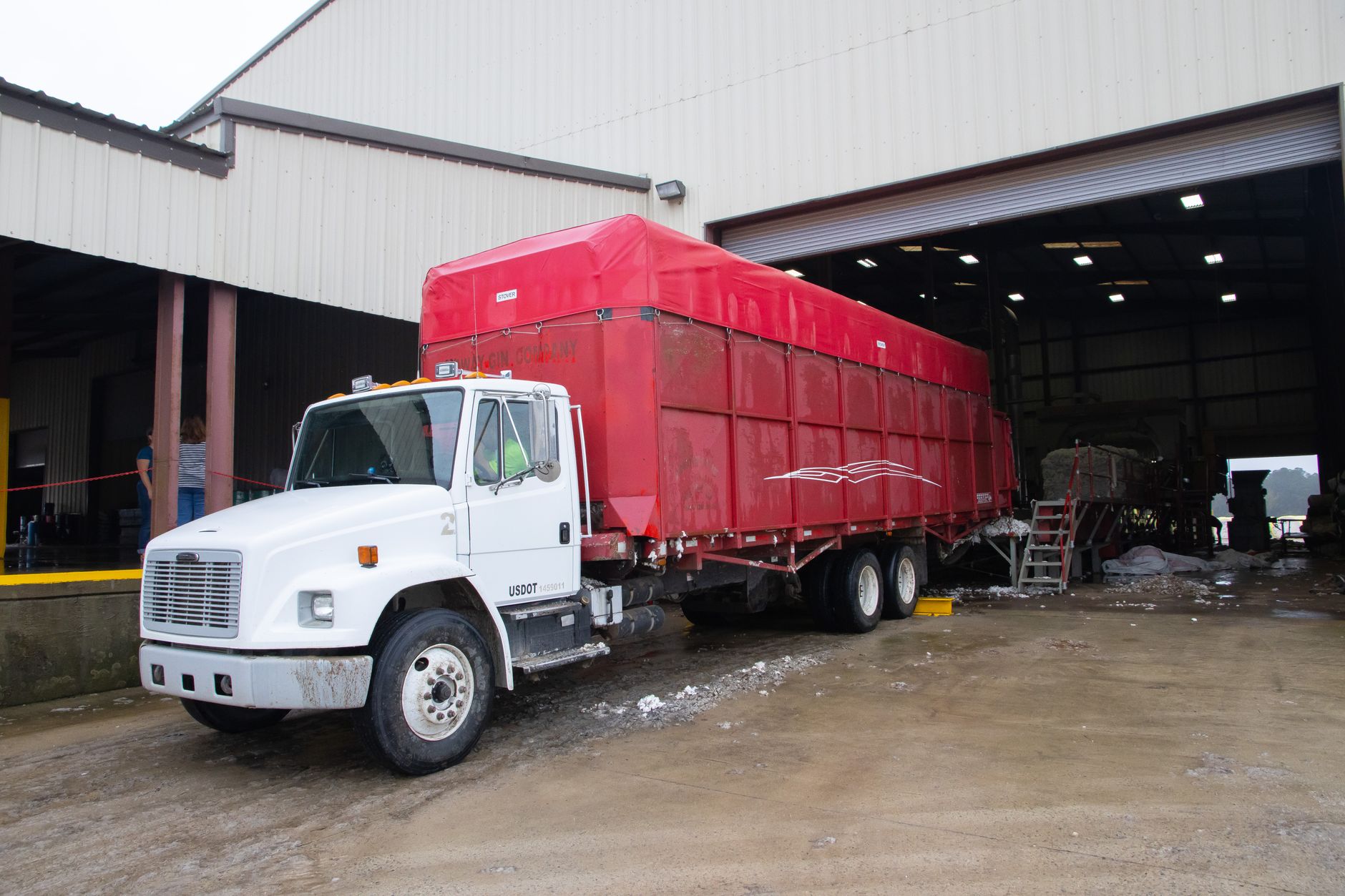
Key takeaways
- Treat every dock bay as a state machine, not a normal travel lane.
- Do not release an AMR toward a bay unless the trailer, leveler, door, and edge controls all confirm a safe state.
- Blind spots and shifting staging zones make backing activity one of the most dangerous parts of dock automation.
- Risk assessments must be updated when bay layouts, trailer types, or operating procedures change.
What actually makes a dock-side AMR run safe?
AMRs can work around dock levelers safely, but only when the dock is treated as a conditional workspace instead of just another aisle. The robot should approach a bay only when the trailer is positively secured, the leveler is in the correct position, the door state matches the task, and the drop-off edge is blocked or digitally excluded in every other condition.
That discipline matters because a dock changes by the minute. A door opens. A plate rises. A trailer settles on its suspension. Pallets spill into what was clear floor a moment earlier. According to OSHA, workers on an unprotected edge 4 feet or more above a lower level need fall protection, and OSHA's dockboard rule says dockboards placed in service on or after January 17, 2017 must prevent transfer vehicles from running off the edge. AMRs deserve the same hard line.
In practice, safe dock automation comes from layered controls. Start with mechanical restraint at the trailer. Add interlocks that tell the robot system when the bay is safe. Use geofences and sensors so the robot slows, stops, or reroutes before it reaches an unsafe state. Then back all of it with operating procedures that define exactly who can change bay status and how the fleet responds.
Why is the dock edge harder than a normal aisle?
Most warehouse aisles are static. A dock edge is not. An open bay introduces a sudden lower level, irregular lighting, glare, moisture, debris, and constant cross-traffic from people, forklifts, and yard activity. OSHA's warehousing guidance says exposed or open loading dock doors should be blocked and that operators should keep a safe distance from dock edges and provide visual warnings near them. That advice maps directly to AMR design.
The point is not that an AMR will blindly drive into thin air every time. The point is that the edge behaves like a temporary cliff inside a building. A robot that navigates well on the main floor can still be trapped by bad localization, a last-second manual push, a blocked sensor, or a route that stays active after the trailer pulls away. Permanent exclusion around the edge and dynamic no-go zones around live bays are safer than trusting route logic alone.
What changes when the leveler moves?
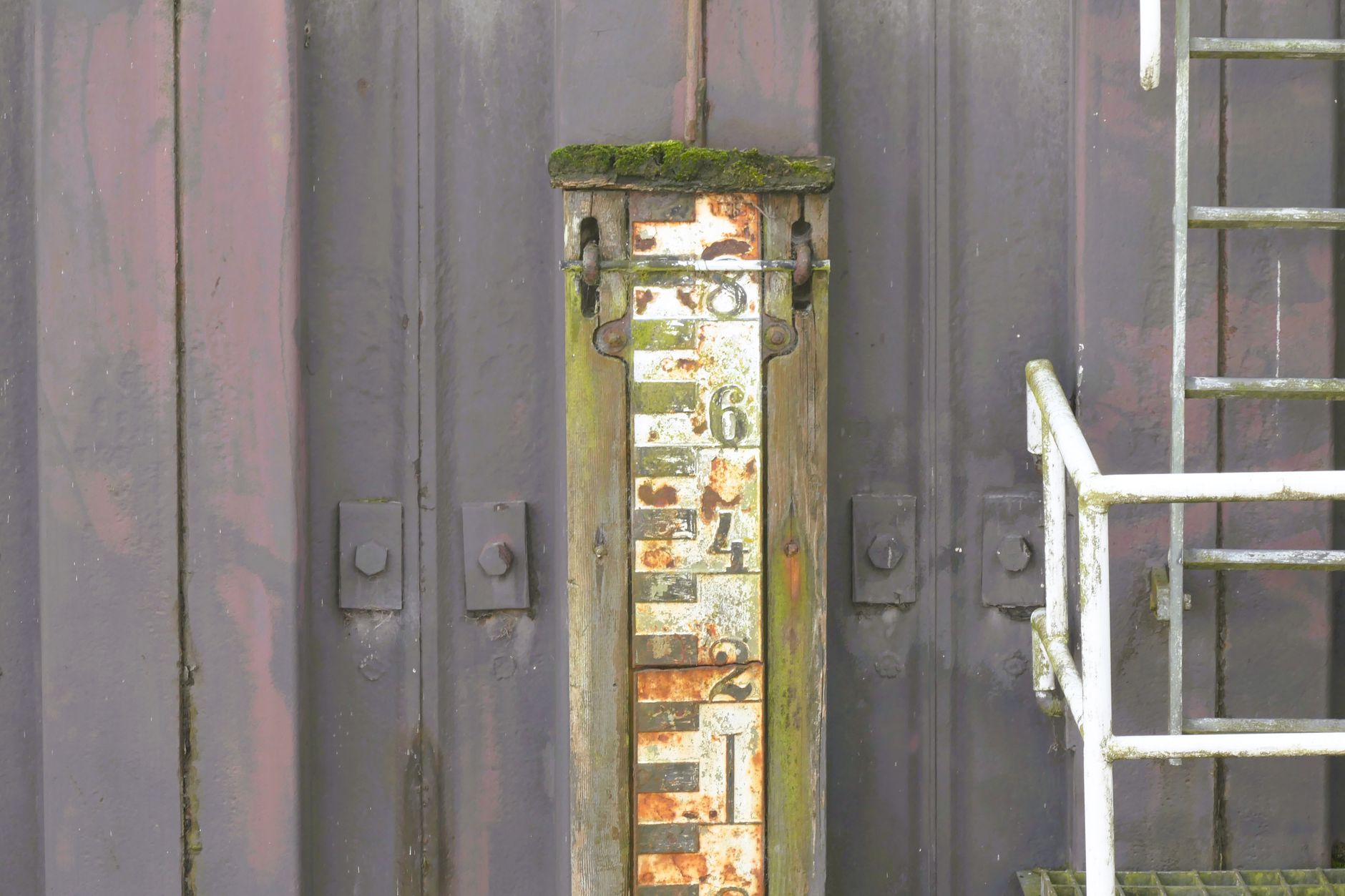
The leveler itself is a moving hazard. Its deck angle changes, the lip extends and retracts, and the contact point with the trailer floor can shift as loading progresses. OSHA calls out dock shock from an uneven transition to a truck trailer or rail car and recommends maintaining dock levelers appropriate for the vehicles used in receiving and shipping. For AMRs, that means the crossing is not just a geometry problem. It is a live interface whose condition can degrade mid-task.
This is where wheel type, payload, braking behavior, and cart dynamics matter. A pallet transport robot that is perfectly stable on polished concrete can behave very differently on a lip with contamination, a slight vertical offset, or a plate that is not fully seated. If a robot must cross the leveler, the deployment team should validate the combined robot and load case at the bay itself, not just on a clean demo floor. If that validation is weak, keep the AMR short of the threshold and use a handoff zone instead.
Trailer creep is the failure mode people underestimate
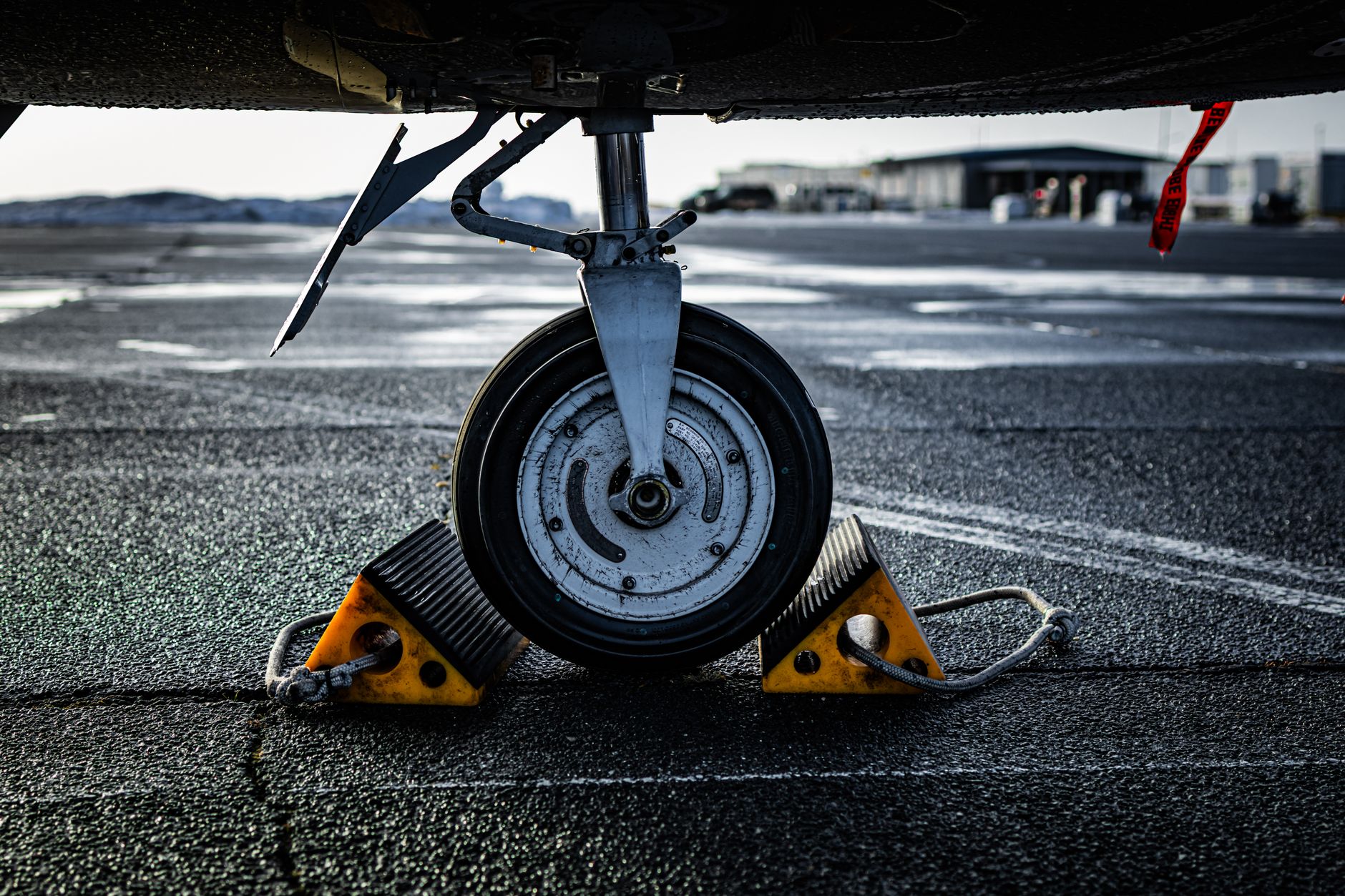
Trailer movement is the failure mode operators underestimate because it is easy to normalize. The trailer looks parked, but suspension travel, yard creep, premature departure, and uncoupled nose rise can change the gap without much warning. OSHA requires measures such as wheel chocks or sand shoes to keep the transport vehicle from moving while people are on the dockboard, and OSHA also permits mechanical means that secure trailers to the dock when they provide protection equivalent to wheel chocks.
For AMRs, passive restraint is not enough. The robot fleet needs a machine-readable dock-safe signal. OSHA's 2011 interpretation says powered industrial truck operators must be trained not to board a trailer unless it is properly secured or restricted from movement before boarding. The AMR equivalent is simple: no mission release into the bay unless the restraint is verified, and if that verified state drops out, the route permission drops out with it. That is what a real interlock is for.
Why staging zones create blind spots and surprise paths
Changing staging zones create the messy part of dock automation. A clear lane at 8:00 can be filled with stretch wrap, empty pallets, damaged freight, and two people resolving a short shipment by 8:07. The backing zone is worse. In a 2012 review, OSHA found 358 fatal backover incidents in its IMIS data from 2005 through 2010. Of the 73 caught-between fatalities, 16 involved workers caught between a loading dock and a tractor trailer. OSHA also noted 25 victims were acting as spotters, and backup alarms were functioning in 15 of 25 FACE reports it reviewed.
That is why a dock bay should not stay open to AMR traffic while trailers are being spotted or staging is being rearranged. A NIOSH FACE investigation from 2013 described a worker pinned between a backing truck and a loading dock because he was in the truck's blind spot. Robots do not remove that hazard. They add another moving actor. The sensible rule is separation: when backing activity starts, the robot zone expands, human foot traffic is rerouted, and the fleet waits outside the active envelope.
What controls belong in the safety stack?
The cleanest way to manage dock risk is to build a small bay-state model and tie robot behavior to it. A bay should not be marked available just because a mission exists. It should be marked available only when the physical world agrees.
OSHA's technical manual on robotics points to interlocked guards, presence-sensing devices, and laser scanners as valid risk reduction measures. In a dock application, those controls should work together, not as isolated add-ons. The best systems make the safe behavior automatic and the unsafe behavior impossible or at least visibly hard to trigger.
- Trailer present and positively restrained, or the bay is confirmed in a no-trailer state for short-of-threshold tasks only.
- Leveler state confirmed, including home, deployed, and lip position where applicable.
- Door state confirmed, with open-bay edge protection and block status known.
- Area scanners or other presence-sensing devices covering the approach, threshold, and staging spill-out zone.
- Geofences that tighten or expand automatically when a bay changes state, a vehicle arrives, or manual activity begins.
- Manual override and maintenance lockout signals that immediately suppress autonomous missions.
- Clear fault behavior so the AMR stops or reroutes on loss of any required signal, not after a timer expires.
Operating rules and change management keep the system honest
Controls fail quietly when the operating routine drifts. A door is propped for airflow. A temporary outbound pallet row nibbles away at scanner coverage. A new trailer type sits higher than the last one. ANSI/A3 R15.08-3-2026 puts safe use, risk assessment, and management of change at the center of industrial mobile robot applications, and OSHA's robot technical manual says each robot application should have a documented risk assessment before commissioning. It also says new or modified tasks need additional task-based risk assessments before they are performed.
That is the right lens for changing staging zones. Treat every dock change as a possible safety change: new carton sizes, different trailer suspensions, new third-party carriers, seasonal overflow, or a shift in who works the bay. Good SOPs spell out bay ownership, pre-shift checks, blocked-bay criteria, pedestrian routing, recovery steps for a stopped robot, and the exact conditions that force the fleet back to a wait zone. The procedure should be boring. Boring is what safe docks look like.
Where Service Robot Co. fits in a dock rollout
This is also where a full-service integrator matters. The same safety work applies to purchased units, autonomous mobile robot leasing programs alike. Cash flow can change. Dock physics do not. A proper site assessment mapping exercise should review levelers, door controls, restraint hardware, trailer mix, staging practices, pedestrian routes, and the real traffic rhythm at each bay before any AMR fleet deployment starts.
Service Robot Co. handles that work as a vendor neutral robot integrator for U.S. businesses. We pick the right robots across manufacturers, then finance, deploy, integrate, train, and service every unit through a nationwide U.S. engineer network. For operators comparing warehouse robot leasing, robot leasing for business, or a purchase or lease path for a pallet transport robot, that means one vendor for the whole lifecycle: robot deployment and integration, go live support, training, and a robot maintenance service plan that keeps the dock-side safety logic intact after launch.
Frequently asked questions
Sources
- OSHA Dockboards Standard 1910.26
- OSHA Warehousing Hazards and Solutions
- OSHA Directive on Mechanical Trailer Securing
- OSHA Loading Facility Trailer Securing Interpretation
- OSHA Technical Manual on Industrial Robot Safety
- OSHA Backover Injuries and Fatalities RFI
- CDC NIOSH FACE Loading Dock Blind Spot Case
- ANSI A3 R15.08-3-2026 Mobile Robot Safety