
Key takeaways
- For climbing gyms, sealed dust capture matters more than glossy scrub specs.
- Mixed flooring often means one robot for rubber and hard aisles and another plan for carpet or pad-adjacent dust.
- Demand fast map edits, strong edge cleaning, and obstacle recovery after route-set nights.
- Measure noise and battery performance in the exact overnight mode you will run, not a quiet demo mode.
- Service support, financing, training, and spare coverage matter as much as the machine.
What should a climbing gym demand first?
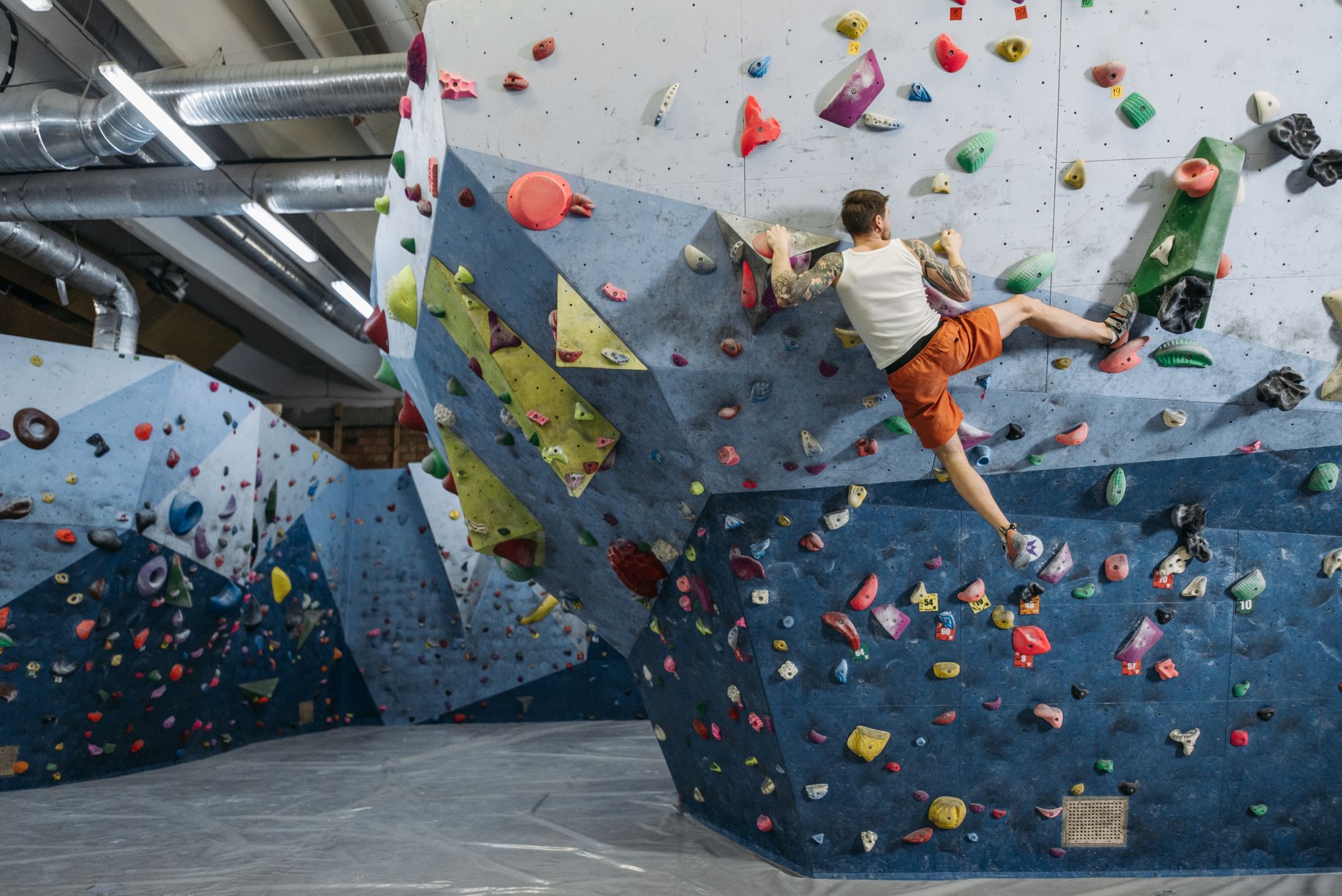
A climbing gym should start from a tougher baseline than a standard retail or fitness center cleaning robot. Chalk dust is light and persistent, shoe rubber becomes fine black particulate, flooring changes from poured rubber to entry carpet to crash-pad seams, and the obstacle map shifts whenever staff move ladders, benches, or pads.
The safest first shortlist is a machine with strong dry pickup, sealed HEPA filtration, dependable edge cleaning, and route editing that staff can update in minutes. If most square footage is rubber, vinyl, sealed concrete, and circulation aisles, a commercial robotic floor cleaner can handle nightly dust recovery and light scrubbing.
If the gym also has carpeted warm-up zones, retail corners, or fibrous pad borders, expect a second tool path or a separate autonomous vacuum robot lease, because one machine rarely excels on every surface. In January 2026, Climbing Business Journal reported that North America had over 900 climbing gyms, so this is no longer a niche housekeeping problem.
Why is climbing-gym dust harder than it looks?
A 2025 study in ACS ES&T Air found total aerosol particulate matter during peak activity ranging from 180 to 3,070 micrograms per cubic meter across five climbing halls, with four of the halls between 1,480 and 3,070. The same study states that chalk is the primary source of airborne particles, while shoe abrasion adds rubber-derived compounds that settle across the gym.
A 2026 multi-country study of 41 climbing halls adds useful floor-care context. It found that 88 percent of halls permit chalk, 63 percent have fibrous surface mats, 32 percent have smooth vinyl surfaces, and 78 percent use active ventilation.
Those details change how a robot should be judged. Fibrous mat edges hold dust differently than smooth vinyl, and smooth surfaces can let particles re-aerosolize when climbers land hard. A robot is not an indoor-air cure by itself. It is a settled-dust control tool that should keep tomorrow morning's floor from feeding tomorrow afternoon's airborne cloud.
How much filtration is enough for chalk dust?
For the building HVAC, the U.S. EPA says MERV 13 filters capture at least 50 percent of 0.30 to 1.0 micron particles per pass, and HEPA filters capture at least 99.97 percent at 0.30 micron. For the robot itself, that makes sealed HEPA dust containment a sensible floor in a chalk-heavy environment, not a premium extra.
CDC cleaning guidance also points the same direction. It advises against brooms and dry mops, and it notes that some facilities use HEPA-filter vacuums and floor scrubbers where policy calls for them. In plain terms, sweeping chalk around the floor is not cleaning. It is staging the same dust for the next footfall.
- Ask whether the vacuum path is sealed from pickup head to filter canister.
- Ask how the machine separates heavy grit from fine chalk before the main filter.
- Ask how long filter changes take and what PPE the maker recommends.
- Ask what pickup performance looks like at the end of a dusty shift, not on a fresh filter.
Can one robot handle rubber, carpet, and crash-pad edges?
Sometimes, but mixed-floor gyms should be skeptical of single-machine promises. Rubber training floors want controlled suction, stable traction, and very little residual moisture, while carpeted lounge or warm-up zones want strong soil removal without leaving the pile damp or fuzzy.
The Carpet and Rug Institute says severe-traffic carpet should be vacuumed daily, cleaned weekly with low-moisture encapsulation, and deep cleaned monthly. That is a useful buying clue. If your carpeted zones truly matter to member impression, a scrubber-led machine is usually not enough.
Pad edges deserve their own live test. Watch the robot recover chalk where crash pads meet aisles, where rubber runs under cubbies, and where loose grit collects beside benches. If the side brush flicks dust into the seam and keeps moving, the demo failed.
- Test poured rubber where chalk and skin oils mix.
- Test carpeted warm-up or lounge zones after evening traffic.
- Test crash-pad perimeters with tight ninety-degree turns.
- Test cubby and bench lines where shoe-rubber dust piles up.
What route design features matter when obstacles move every day?
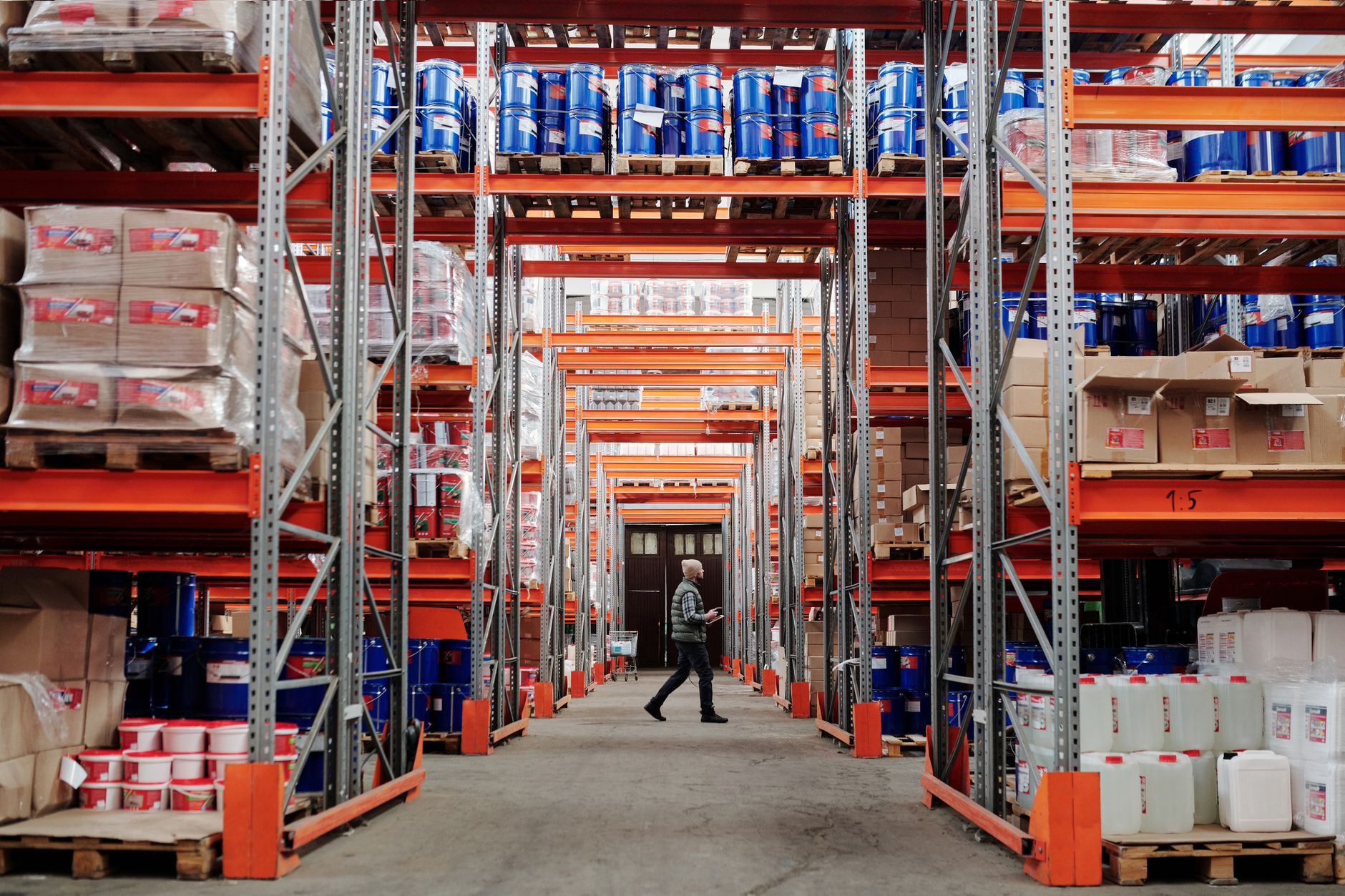
Climbing gyms change shape constantly. Route setters wheel in ladders, strip holds, park bins, move benches, and sometimes alter pad geometry after classes or comps. A buyer should insist on editable routes, reusable zone templates, and a staff workflow that does not require an outside technician every time the floor plan shifts.
The right acceptance test is ordinary and unforgiving. Remap after a route-set night. Move a ladder into an aisle. Rotate a pad corner into the travel path. Then check whether the robot pauses, reroutes, revisits the missed strip, and still returns to charge without losing the job.
- User-editable no-go zones and temporary exclusions.
- Named route libraries for weekday, comp-night, and deep-clean schedules.
- Resume-after-obstacle logic that revisits skipped edges.
- Manual spot-run mode for chalk blowout areas.
- Alerts before staff leaves the building, not after the building opens.
How quiet and how autonomous should the night shift be?
Buyers often hear the quiet demo mode and miss the full-cleaning mode that will actually run overnight. The U.S. EPA notes that higher fan speeds improve air cleaning but also increase noise. That is the right buying question for a climbing gym: how loud is the machine on the airflow setting needed to pick up chalk, not on the setting used to win the demo.
For overnight floor care and overnight cleaning no operator, ask for the full shift workflow. Battery state at start, expected coverage at working speed, refill or emptying needs, and what happens if the dust bin fills before the route ends all matter more than a lab coverage claim.
A machine that needs babysitting at 1:30 a.m. is not autonomous in any useful sense. Many climbing gyms also share walls with offices, retail, or apartments, so measured sound pressure near the machine and a few meters away matters more than a vague promise that it is quiet.
Where Service Robot Co. fits
Not every gym needs the same stack. Some need a hard-floor robot for circulation lanes and rubber training zones. Others need that plus a commercial carpet cleaning robot or autonomous vacuum robot leasing for soft zones, cubby rows, and dust-heavy perimeters. That is where Service Robot Co. fits as a full-service commercial robot integrator for U.S. businesses and a vendor neutral robot integrator that picks the robot that fits your floor.
The company can scope a free site assessment, recommend purchase or lease paths, handle turnkey robot deployment, train the staff, and back the fleet through a nationwide U.S. engineer network. For operators comparing gym cleaning robot leasing, commercial cleaning robot leasing, robot leasing for business, or monthly payment programs, one partner for go-live, remote triage, on-site dispatch, and RoboCare™ service support is often easier to run than a pile of separate vendors. It is one partner, one number, for the full lifecycle.
What belongs on the final shortlist?
Before you sign, reduce the decision to a short acceptance list that reflects how climbing gyms actually get dirty. The best spec sheet is the one that survives a live night in your building, not a polished demo lane.
- Sealed HEPA-grade onboard filtration for dry chalk recovery.
- Proven edge cleaning at crash-pad seams, wall lines, and cubbies.
- Safe low-moisture behavior on rubber and hard surfaces.
- A separate carpet plan if the main robot is scrubber-led.
- Fast map edits for route-set nights and temporary obstacles.
- Noise data in the exact cleaning mode you will schedule overnight.
- Alerts, route reports, and dependable restart behavior after interruptions.
- A local service plan, spare coverage, and clear ownership of training and upkeep.