Key takeaways
- Automatic fill-drain docks remove recurring tank handling, but they do not eliminate brush, squeegee, filter, and recovery-tank care.
- Manual servicing carries little installation risk and suits light duty, while its labor burden multiplies with every robot and cleaning cycle.
- A plumbed dock needs water, drainage, protected electrical service, backflow review, spill containment, and reliable robot alignment.
- The honest break-even point comes from measured touch minutes and an installed quote, not a universal robot-count rule.
Which servicing method wins?
Automatic fill-drain is usually the stronger operating model when a commercial scrubber must complete multiple water cycles, run overnight cleaning with no operator nearby, or share one service area with other robots. It removes the repeated trip to fetch the machine, empty recovery water, refill clean water, reconnect charging, and confirm that the next run can start.
Manual servicing remains sensible for one lightly used robot near a utility sink, especially when plumbing the dock would be difficult. The crossover is not simply one robot versus two. It depends on service frequency, measured staff touch time, walking distance, intervention failures, and the annualized cost of the dock and its utilities.
The key distinction is unattended continuity. A basic charging dock replenishes energy only. An automatic fill-drain station can exchange water and charge during the same stop, allowing an industrial floor scrubbing robot to resume work without waiting for a person. It still needs scheduled inspection and sanitation.
What work does each approach leave for people?
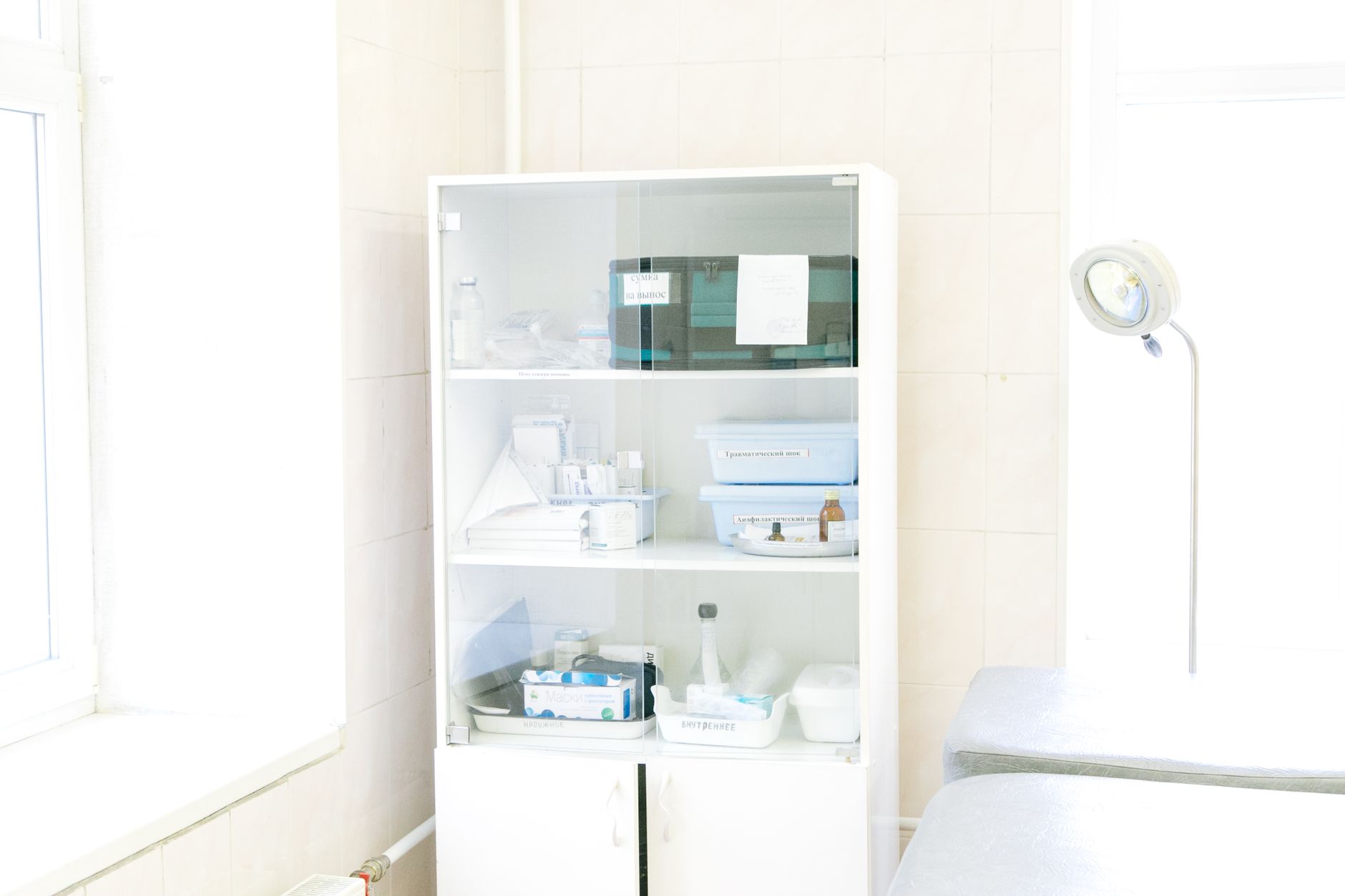
Manual service is a chain of small tasks: locate or receive the robot, move it to a disposal point, empty the recovery tank, rinse residue, inspect the strainer, refill fresh water, measure approved chemistry, return the machine, connect power, and clear any alert. Walking and waiting can consume more time than handling the tanks.
An automatic dock takes over routine water transfer and charging. U.S. patent records describe the core architecture as a fresh-water connection communicating with the clean tank, a drain communicating with the recovery tank, and charging contacts engaged while the robot is docked. That architecture reduces touch labor, but its exact functions vary by equipment.
People still remove wrapped fibers, clean brushes or pads, inspect squeegees, clear screens, replenish chemistry, wipe sensors, and wash surfaces that the dock cannot reach. Automatic servicing should therefore be described as reduced-touch floor care, not unattended maintenance forever.
How much labor touch time can automation remove?
Run a local time study before approving the dock. Record active handling and walking separately for at least one representative workweek. Include failed docking recovery, forgotten charging, waiting at a shared sink, chemical handling, and the supervisor time spent checking that the robot is ready.
For an illustrative calculation, suppose observation shows 10 minutes of manual touch time per service, two services per operating day, and 300 operating days per year. That is 100 staff hours per robot each year. This is scenario math, not an industry benchmark. Substituting the facility’s measured figures is essential.
The Bureau of Labor Statistics reports a May 2025 median wage of $17.71 per hour for janitors and building cleaners. BLS also reports that benefits represented 30.1 percent of average private-industry compensation in March 2026. Those figures show why wage alone understates labor value, although a buyer should use its own payroll, benefit, overtime, contractor, and supervision costs in the business case.
Automation does not necessarily remove those hours from payroll. More often, it returns them to edge cleaning, restroom work, spill response, inspection, and other tasks that an autonomous scrubber cannot perform. That recovered capacity is the economic benefit to measure.
What infrastructure does an automatic dock require?
A plumbed station needs more than an open patch of wall. The planning package normally covers a compatible water supply, an approved wastewater route, electrical service specified for the equipment, hose and cable protection, an accessible shutoff, dock anchoring, a level approach, service clearance, and enough turning room for repeatable alignment.
The potable-water connection deserves formal plumbing review. The Environmental Protection Agency defines a cross-connection as an actual or potential connection between potable water and a nonpotable source that could permit contamination through backflow. The local authority and a licensed plumber should determine the required air gap or backflow protection.
Drainage must tolerate the recovered soil and the cleaning chemistry permitted at the site. Screens or interceptors may be needed, and local wastewater rules govern disposal. In healthcare, food handling, or regulated industrial spaces, facilities should also review segregation, discharge, and sanitation requirements with their environmental health team.
Place the station where leakage is visible and controllable. OSHA standard 1910.22 requires workroom floors to remain dry to the extent feasible and requires maintained drainage for wet processes. A dock hidden beside inventory or electrical equipment can turn a minor hose fault into a costly event.
Where can each servicing method fail?
Manual service has many human-dependent failure points. A tank may be left partly full, recovery water may remain overnight, the wrong chemistry concentration may be used, a cap may not seat, debris may block a filter, or the charge connector may be missed. Shift handoffs make these omissions harder to trace.
Automatic service trades those repetitions for a smaller set of technical dependencies. Docking alignment, valves, seals, level sensing, water pressure, drain flow, charging contacts, software state, and network reporting all matter. A blocked drain or a valve that fails closed may stop the next mission. A leak or valve that fails open can be more serious.
Specify detection and containment, not merely automation. Useful controls include fill and drain timeouts, leak sensing, high-level alarms, a reachable manual shutoff, a drain pan, notifications that reach an accountable person, and a documented fallback for manual filling and charging. Test each fault during commissioning rather than assuming the alert path works.
Manual stations are simpler to recover because a person can often finish the task with a hose and outlet. Automatic docks can deliver much higher continuity, but only when spare parts, remote triage, on-site dispatch, and technician ownership are settled before go-live.
Does automatic water exchange improve hygiene?
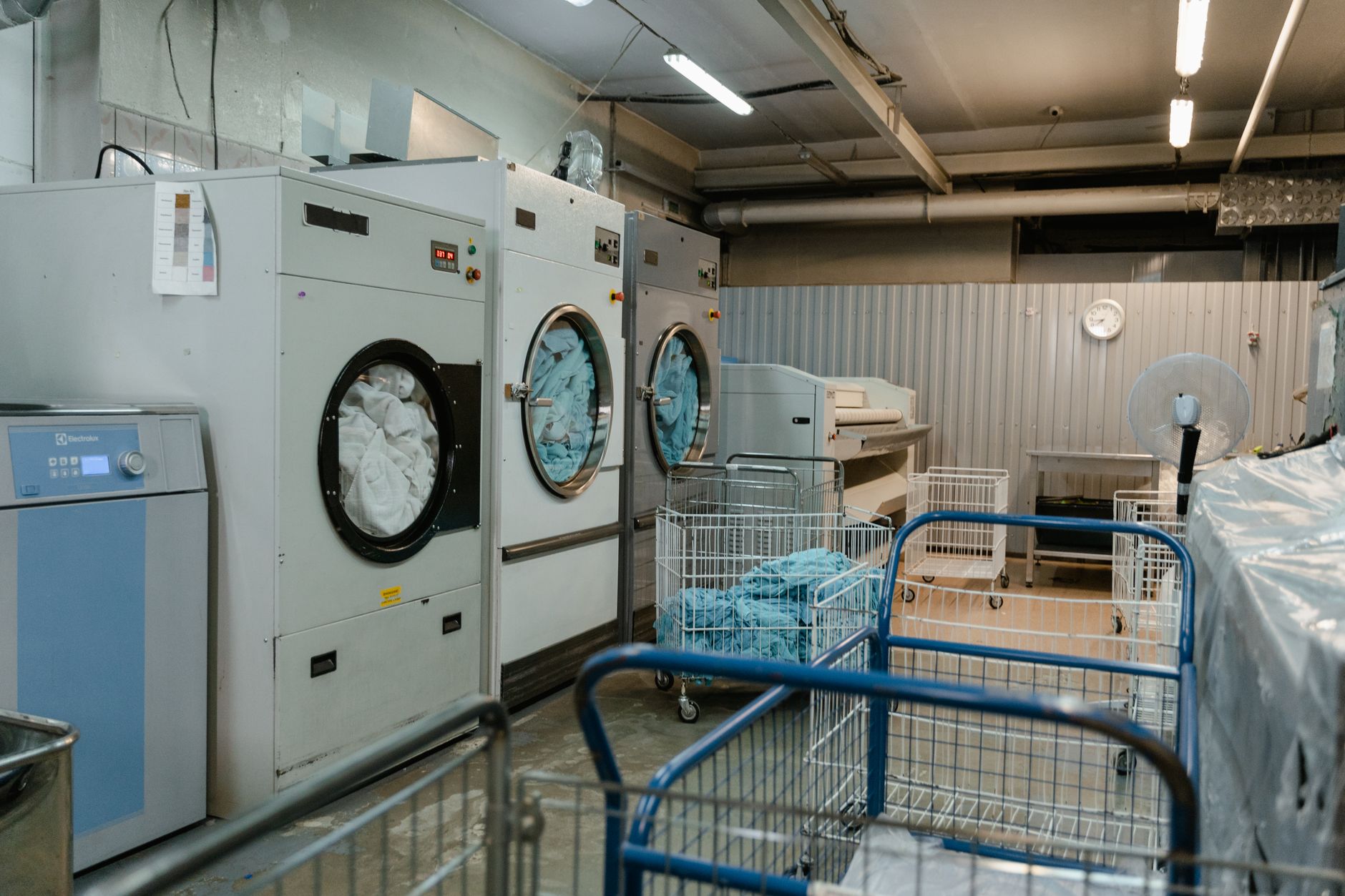
It can reduce splash exposure and inconsistent handling by moving dirty water through a closed path. It can also prevent recovery water from sitting simply because the assigned employee was pulled into another task. Those are meaningful gains in busy facilities.
Automation does not make stagnant residue sanitary. The CDC says reusable cleaning equipment quickly becomes contaminated and advises cleaning, disinfecting, and rinsing buckets and containers when fluid is replaced and daily. Its healthcare guidance also calls for equipment to be stored dry and for dirty reprocessing areas to remain separate from clean storage.
Apply that principle to the full robot-and-dock water path. Establish frequencies for tank rinsing, recovery-tank detailing, strainer cleaning, drain-pan cleaning, hose flushing, seal inspection, and drying. Follow the equipment instructions and the facility’s infection-control policy, since requirements differ sharply between a warehouse and a patient-care environment.
The CDC also notes that biofilm can form under stagnant and flowing conditions in water systems and storage tanks. Long idle periods, warm rooms, low-flow branches, and inaccessible wet surfaces therefore deserve attention. A plumbed dock improves consistency only when its own sanitation work is explicit.
At what fleet size does automatic servicing pay?
There is no defensible universal threshold. Calculate it as: break-even robot count equals annualized dock cost divided by annual labor value recovered per robot, then round up. Annualized dock cost should include plumbing, electrical work, permits, installation, preventive maintenance, consumables, and expected repairs, less any measurable reduction in failed missions.
Using the earlier time-study example, each robot returns 100 staff hours per year. If the dock’s annualized cost equals the facility’s value for 250 staff hours, the labor-only threshold is three robots. If a single robot runs more water cycles or sits far from the utility room, one unit may justify the dock. If servicing takes only a few minutes once per night, several robots may not.
Add operational value separately. Count the cost of incomplete routes, supervisor callouts, missed morning readiness, and work deferred because a robot waited with a full recovery tank. Do not hide speculative benefits inside labor savings. Give each input an owner and a source.
This method also makes financing comparisons clearer. An autonomous floor scrubber rental, floor scrubber monthly lease, or robot as a service program should be evaluated with dock installation and maintenance included in the same lifecycle model. Monthly payment programs change cash timing, not the underlying touch-time equation.
How should buyers validate the choice on site?
Start with route demand. Log how often the robot exhausts water before it exhausts battery, the distance to the approved disposal point, and the number of planned cleaning windows that require a second cycle. A charging-only dock may be enough when water capacity already covers the route.
Then test the physical station. Confirm robot approach geometry, drainage fall, water pressure, electrical protection, network coverage, chemical compatibility, shutoff access, spill containment, and service clearance. Include facilities, environmental health, IT, safety, and the cleaning contractor before the location is frozen.
During a commercial robot pilot program, compare at least three operating measures: staff touch minutes per completed cleaning hour, percentage of scheduled missions starting ready, and interventions caused by the service process. Track manual and automatic days under comparable soil and traffic conditions.
Service Robot Co. approaches this as a vendor-neutral robot integrator. For U.S. businesses, the company can assess the site, select equipment across manufacturers, arrange financing, handle robot deployment and integration, train teams, and support units through a nationwide engineer network. That one-partner model matters when the robot, dock, plumber, software, and field response must operate as one system.
The practical decision rule
Choose manual servicing when duty is light, the utility room is close, staff ownership is reliable, and construction would dominate the project. Preserve a written service checklist and readiness check so simplicity does not become inconsistency.
Choose automatic fill-drain when repeated water stops constrain coverage, overnight work must continue without an operator, manual touches are measurable and costly, or several robots can share suitable infrastructure. Buy the dock as an operating system with alarms, sanitation, fallback procedures, and maintenance included, not as a plumbing accessory.
The strongest procurement record contains a measured baseline, an installed scope, an annualized cost, and a named owner for every residual task. That evidence reveals the fleet threshold for the actual building and protects the business case after deployment.
Frequently asked questions
Sources
- BLS Janitors and Building Cleaners
- BLS Employer Compensation Costs, March 2026
- OSHA Walking-Working Surfaces Standard
- CDC Cleaning Supplies and Equipment Guidance
- CDC Water and Biofilm Guidance
- EPA Cross-Connection and Backflow Resources
- EPA Commercial Facility Water Tools
- U.S. Floor-Cleaning Dock Patent Record