Key takeaways
- Empty tray return fits AMRs when routes repeat and clean/dirty containers never share a mission.
- Tray IDs, color coding, and geofenced wash zones keep contamination controls enforceable in software.
- Scheduling should avoid peak accession windows and keep human handoffs at wash and sterilization bays.
- Vendor-neutral integrators map zones, finance pilots, and service AMRs on nationwide maintenance plans.
Can AMRs recover empty lab trays without risking samples?
Yes, when the robot moves only empty racks, insulated carriers, and supply trays on dedicated return routes. Active specimen transport stays on separate missions, separate carts, and often separate time windows. The AMR is a circulator, not a bench tech.
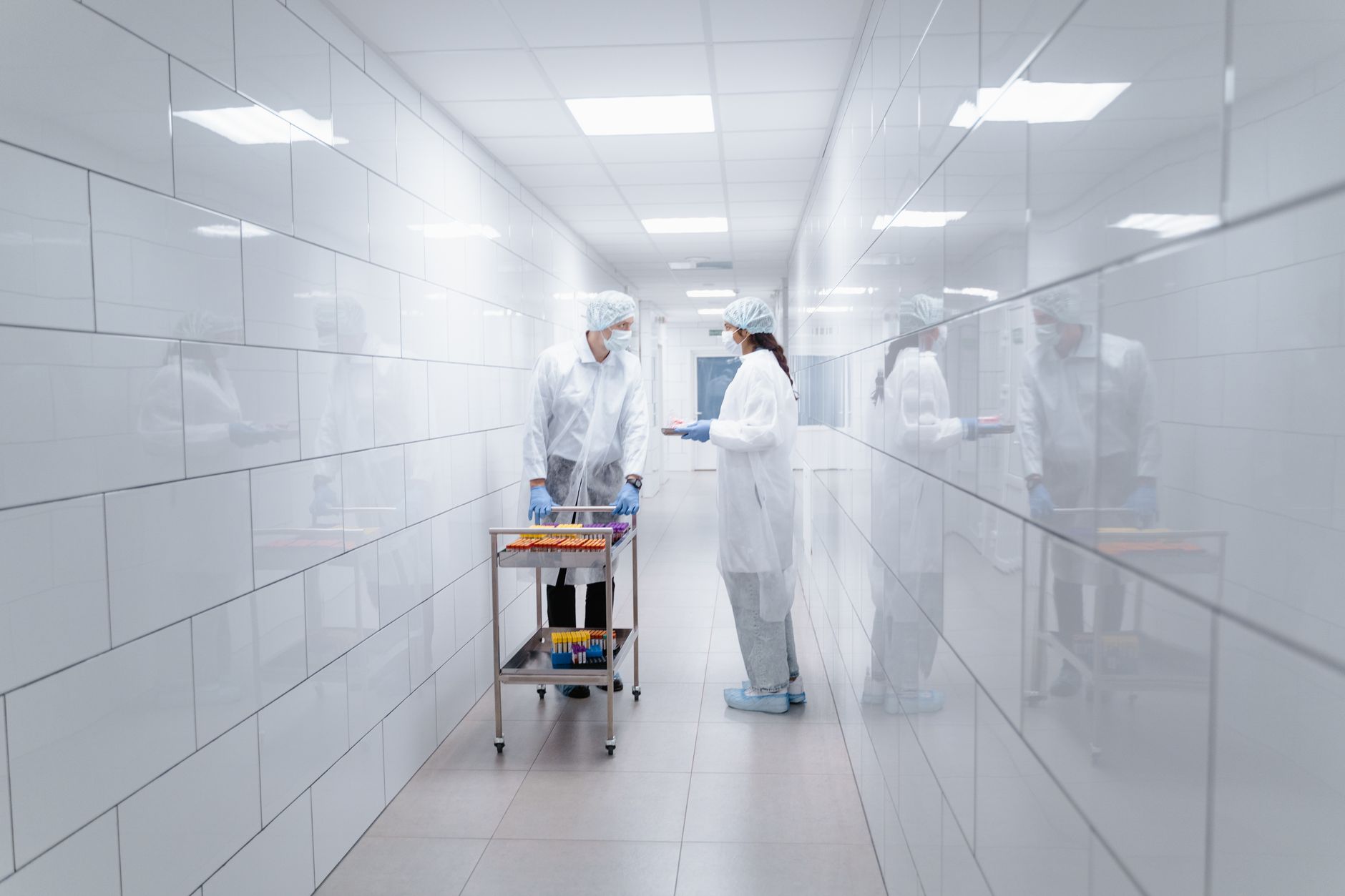
Medical labs generate a steady backflow of empties after accession, processing, and send-out. Those walks steal minutes from staff who should be validating results, not pushing carts. Autonomous mobile robots fit when the path repeats and your contamination rules can be expressed as zone permissions.
According to BLS May 2023 national estimates, about 334,380 clinical laboratory technologists and technicians work in the United States, with roughly 73,010 in medical and diagnostic laboratories. That scale means even small minutes per tray return add up across shifts.
Why is empty return harder than outbound delivery?
Outbound delivery often carries barcoded specimens with tight chain-of-custody rules. Returns look lower risk because containers are empty, but they still carried biohazard residue, broken seals, or leaked insulation liners.
Mixing empty returns with inbound active samples on one robot mission is the failure mode. Fluids wick onto wheels, liners shred in cradles, and the next pickup inherits contamination you cannot see.
Returns also arrive in bursts after instrument unload or courier pickup. Without scheduling discipline, robots queue in hallways beside staff who are still gloved for dirty work.
How should tray identification work on the floor?
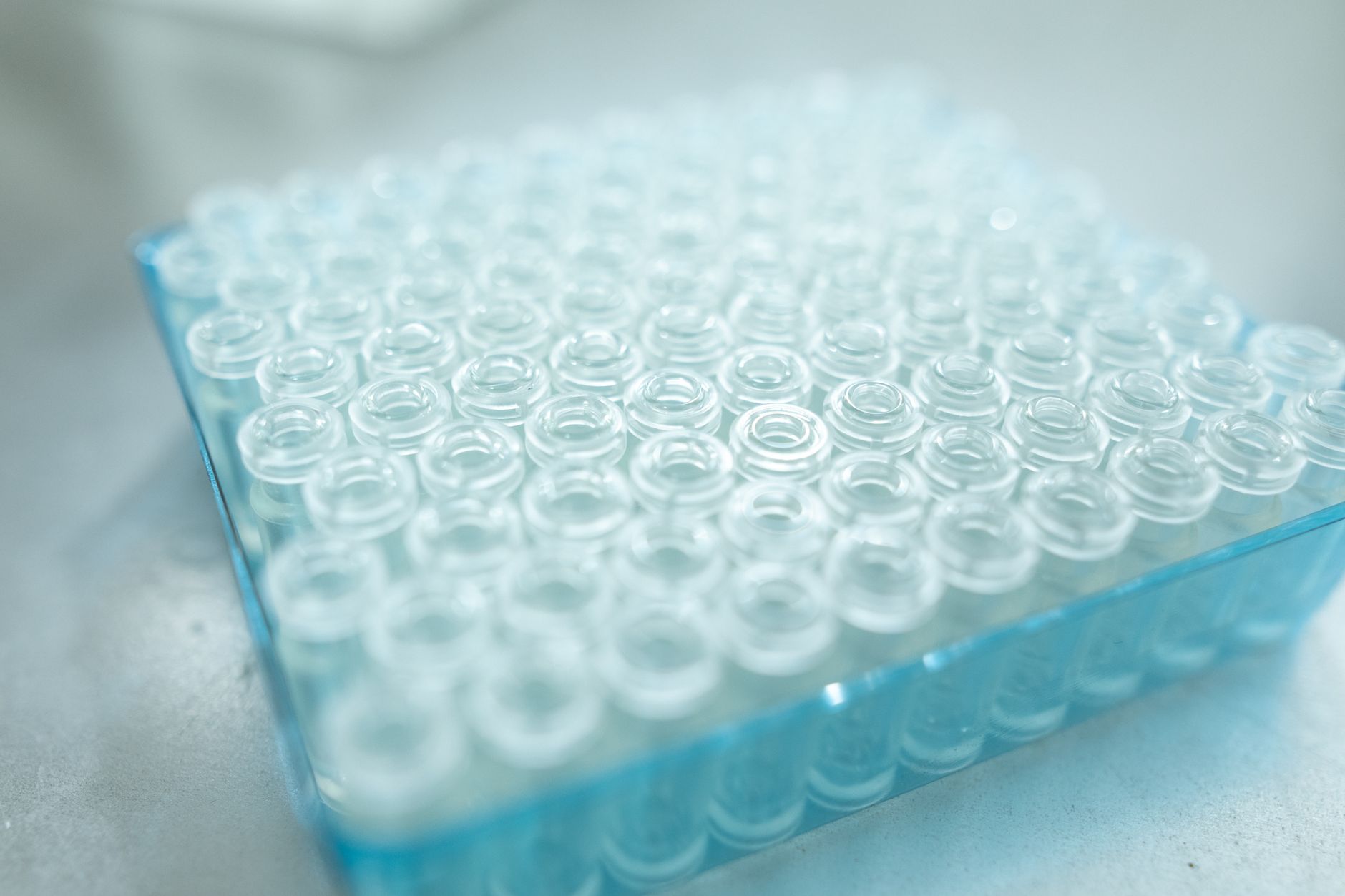
Assign every tray type a visible ID: color band, barcode, or RFID tag tied to a container class in your LIS or inventory system. The fleet controller should refuse a pickup if the scan does not match an approved empty class.
Separate cradles for specimen racks versus insulated supply totes. Foam inserts beat open shelves for odd shapes. Scan at pickup, at the wash-room threshold, and at drop so audits reconstruct the path without handwritten notes.
If a tray arrives with visible soil or an open primary container, the mission should halt and route to a quarantine cart handled by staff, not continue to a clean storage lane.
Where do contamination controls enter the route?
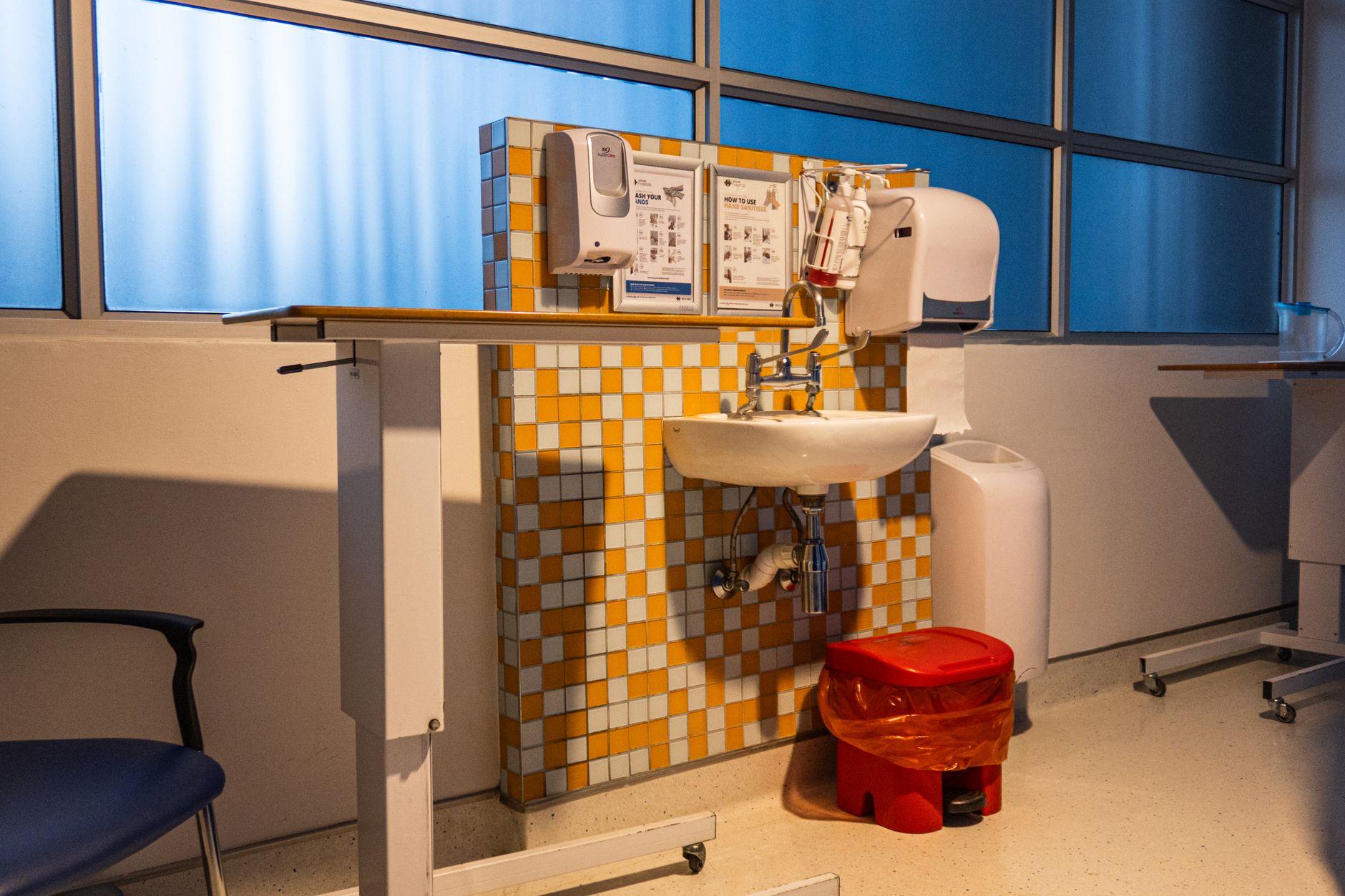
Map clean, transitional, and dirty zones the same way you map them for people. Robots inherit permissions through integration, not a parallel spreadsheet. Only credentialed staff release a return mission, and wash staff acknowledge receipt before trays re-enter circulation.
Geofence wash and decontamination areas so robots slow or stop unless a supervisor flag is active. Night routes need the same enforcement. A quiet corridor is not permission to cut through a processing room without PPE rules.
Document liner and cradle wipe protocols after segments that leave processing areas. Wheels and brackets collect debris that travels on the next trip if ignored.
How should routes stay separate from active specimens?
Run empty returns on different mission templates than inbound courier drops. Different times, different elevators, different dock doors when possible.
Use distinct robot IDs or top modules color-coded in software so operators see at a glance which unit is cleared for dirty returns only.
If a specimen courier and a return robot must share a corridor, define passing rules and width holds at blind corners. Test them during live accession, not only on an empty Sunday.
What belongs at the wash-area handoff?
The robot stops at a marked dirty handoff bay outside the wash room. Wash staff inspect trays, remove liners, and load washers or manual soak tanks. The robot never enters a space where aerosols or hot water create new exposure.
Log handoff with tray ID, time, and staff initials. That record matters when a quality review traces a mislabeled rack back to a shift.
Clean trays exit through a separate pickup point. Do not let the same robot cradle flip from dirty return to clean supply without a documented wash and swap step.
How should scheduling match lab rhythm?
Avoid peak accession when carts, couriers, and staff crowd the same aisles. Schedule return loops after instrument unload waves or between courier cutoffs.
Build buffer time after spills or instrument faults. A robot waiting in a hallway blocks emergency egress if your plan has no hold points.
Align battery charging with low-return windows so units are not docked when a courier surge leaves trays stacked at benches.
How should a first pilot be scoped?
Start with one tray family and one bench-to-wash loop during a quiet shift. Run parallel manual returns until scan logs match human sign-out records for two weeks.
Measure refused missions and contamination holds, not only trip minutes. Those predict whether scale-up survives a busy Monday draw.
Service Robot Co. acts as a vendor-neutral integrator: select AMRs rated for your floors and zones, finance through lease or rental, integrate tray IDs and zone rules, and support the fleet through a nationwide network of regional service engineers. One partner keeps wash handoffs and access control aligned when you add a second route.
What should leadership review after ninety days?
Compare recorded returns against manual baseline hours and near-miss reports. Robotics should show fewer long pushes, not hidden sorting pushed onto wash staff.
Review spill and exposure drill outcomes separately from daily loops. A failed drill means pause automation until stop rules work in simulation and on the floor.
Revisit cradle and liner wear whenever you add a new tray vendor. Dimensions change stability even when the route map stays the same.