
The question, in the buyer's words
Our 12-acre greenhouse tomato grower in Lancaster County, Pennsylvania hand-pushes harvest carts down every aisle before a 5 a.m. pick, and we lost two pickers this spring; could autonomous mobile robots move full carts to the packing door so the crew stays in the rows?
Key takeaways
- A cart robot takes the full cart runs, not the picking itself.
- Strawberry research puts walking at up to about 22% of harvest time, but tomato greenhouse figures need your own measurements.
- Aisle path, packing door access and pre-dawn lighting decide whether the route works.
- Pennsylvania farm labor pressure is real, and H-2A does not cover year-round work.
- A free site assessment comes before any lease quote, so the route is measured first.
Can mobile robots move tomato harvest carts for a Lancaster greenhouse crew?
For a Lancaster greenhouse tomato operation, mobile robots are a strong fit for one job: moving full harvest carts from the rows to the packing door. That work is repetitive, it follows a predictable route, and right now it pulls people out of the rows before dawn. The robot does not pick tomatoes, so it will not replace the two pickers you lost. What it can do is take the carts that eat the crew's time in the dark.
The closest published evidence comes from strawberry fields, not greenhouse tomatoes. An academic preprint on harvest-aid co-robots reported a mean gain of about 10% in harvesting efficiency in field tests, and it found that pickers' non-productive time fell. A second preprint, drawn from a UC Davis dissertation, found that walking time can reach about 22% of total strawberry harvest time when pickers carry trays to collection points. Those figures show the walking share is large enough to matter, but they are not measurements from a tomato house.
The honest picture is that the transport work is the part most likely to return value, while the picking stays with people. Treat the research as a reason to measure your own cart runs, not as proof of a result you will get.
How tight is the farm labor market in Pennsylvania right now?
Pennsylvania farm labor is tight, and the pressure is recent. In 2025 reporting, Pennsylvania farmers said the immigration crackdown was worsening a labor shortage, and some had left crops unharvested. The same reporting said dairy is hit especially hard because the H-2A seasonal worker program does not cover year-round work. I did not verify how H-2A applies to greenhouse tomato crews in Lancaster County, so treat that as a question for your own labor plan.
Policy could shift. A federal bill called the Securing Agriculture's Workforce Act of 2026, H.R. 9535, would simplify H-2A applications and extend eligibility to some year-round agricultural jobs. According to a September 2026 bill analysis from an advocacy group, the bill had 59 cosponsors as of August 20, 2026, 52 Republicans and seven Democrats. That is a single advocacy source, and I could not confirm whether the bill has moved since.
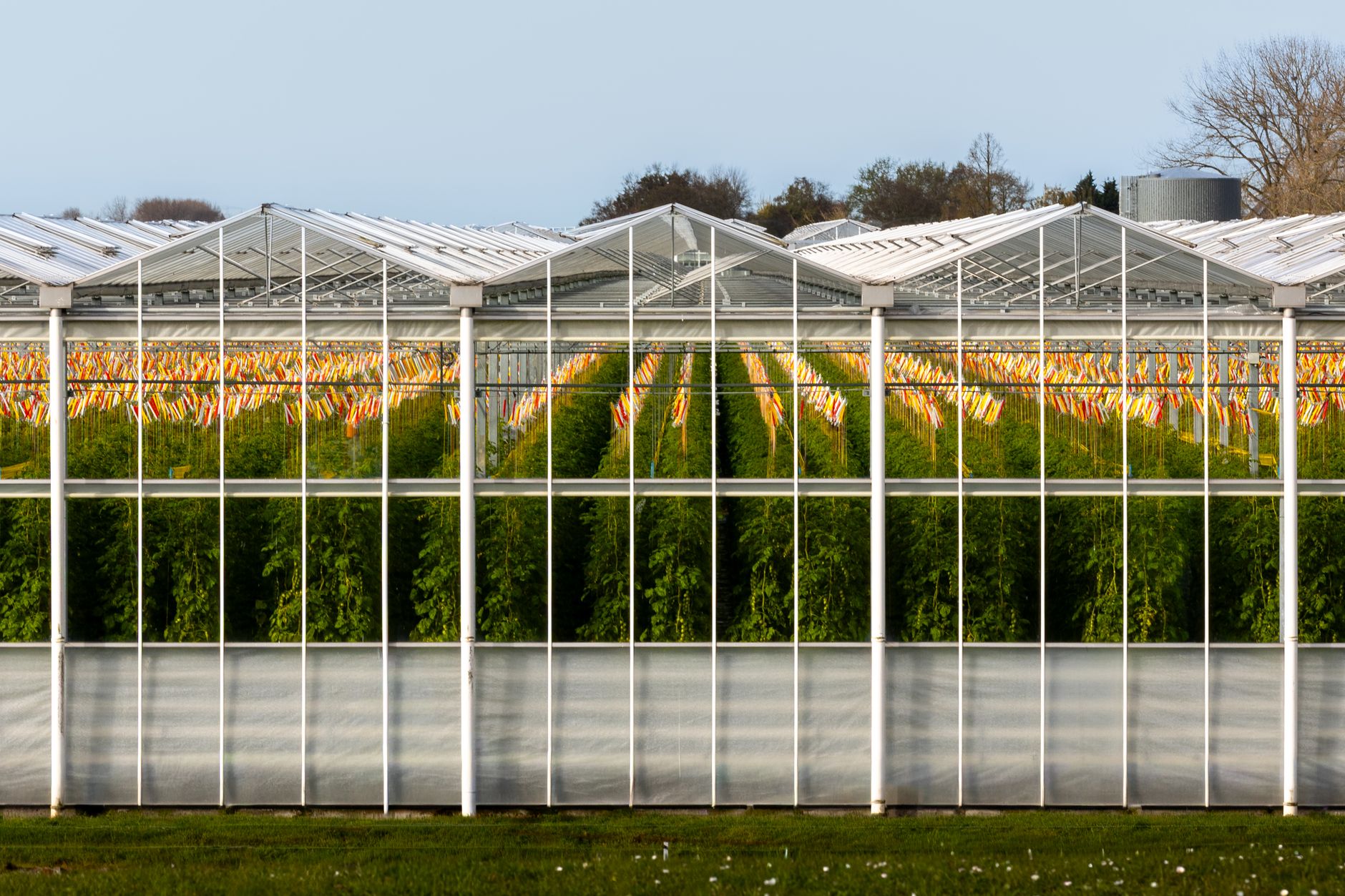
Local scale matters too. Lancaster Farming has reported on large county greenhouse operations, including one that grows more than 20 million starter plants. That reporting does not give crew counts, but it confirms the county has greenhouse operations big enough that a fixed cart route and a dedicated packing door are worth planning.
Where does the pre-dawn crew time actually go?
Every cart run is the same loop: load at the row end, push down the aisle, reach the packing door, unload, and walk back. When two pickers leave, that loop lands on the crew that remains, and picking starts later or slower. Over a whole house, the loop repeats across many aisles before the first picker reaches a row. The share of time that goes to walking and carting, versus picking, decides how much a robot can recover, so measure it before you decide.
Measure at least one normal week of runs. Time each stage separately: cart loading, aisle push, door handoff, and walk back. Record how many carts a morning really needs, because harvest weeks and the size of the pick change that number, and note who is pulled off the rows to do it.
The table below lists the work a robot would take over. I did not verify harvest hour figures for greenhouse tomatoes, so the 'today' column describes the work rather than quoting hours. Replace it with the numbers from your own week of runs before you show it to anyone who signs off.
How risky is crop work, and what do the injury numbers tell you?
According to the Bureau of Labor Statistics, crop production had 4.1 total recordable nonfatal injury and illness cases per 100 full-time workers in 2024. Of those, 2.5 cases involved days away from work, job restriction, or transfer, and 1.4 cases involved days away from work.
A 2024 study in the American Journal of Industrial Medicine, indexed on PubMed, reported that agriculture had the highest fatality rate of the major US sectors in 2022, at 18.6 per 100,000 full-time equivalent workers. The same study reported a 2022 nonfatal agriculture rate of 4.1 per 100 full-time equivalent workers. It also notes that nonfatal injuries to self-employed farmers are left out of national surveillance, so official figures probably undercount the problem.
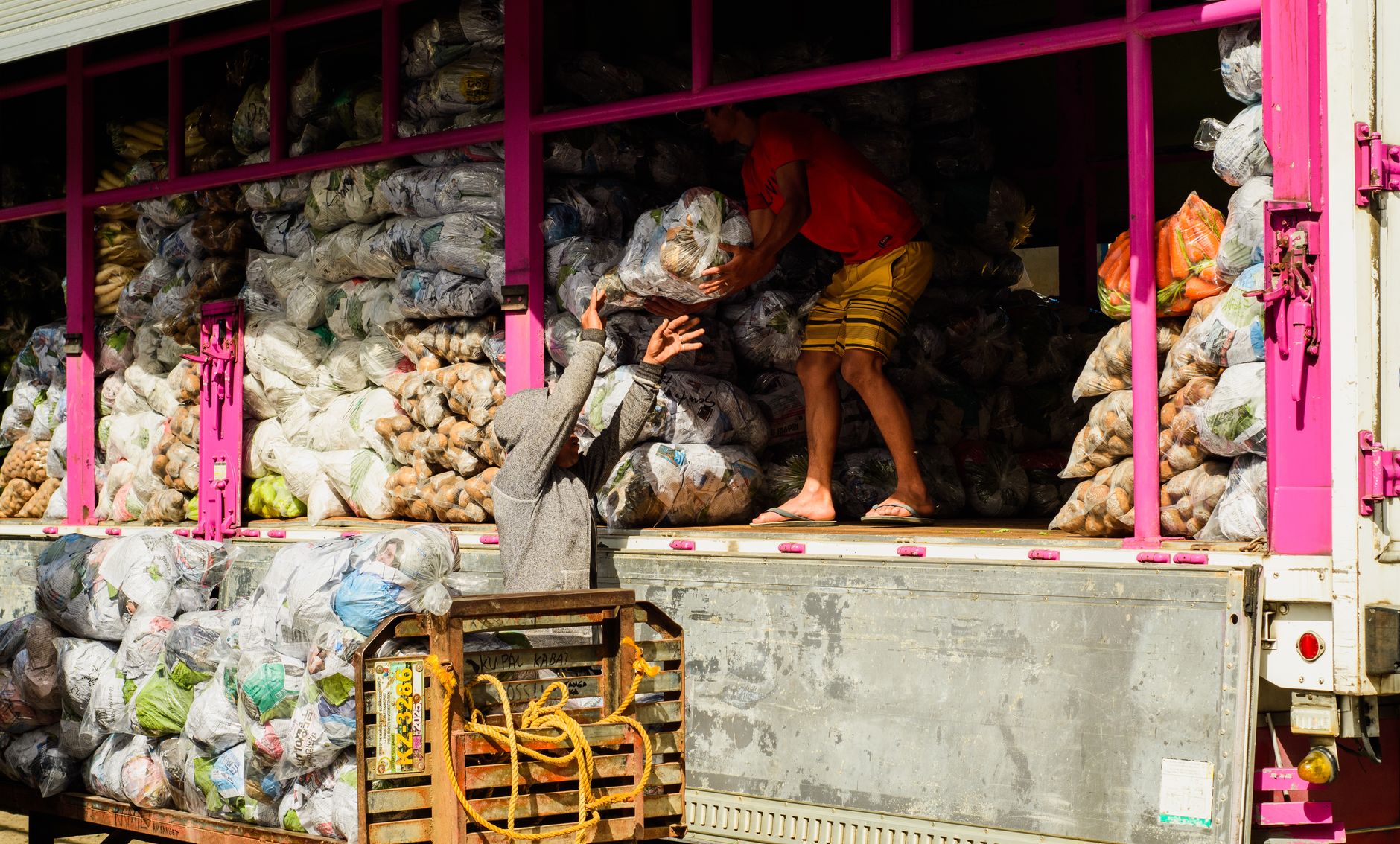
For your operation, the lesson is about the push itself. Hand-pushing loaded carts down rows in low light is repeated lifting, pushing and turning, and moving that task to a robot takes the exposure out of the aisles. These national figures do not give a tomato house rate, so check your own incident log and claims history before you assume how much a change will reduce.
How would autonomous mobile robots run the cart route on your floor?
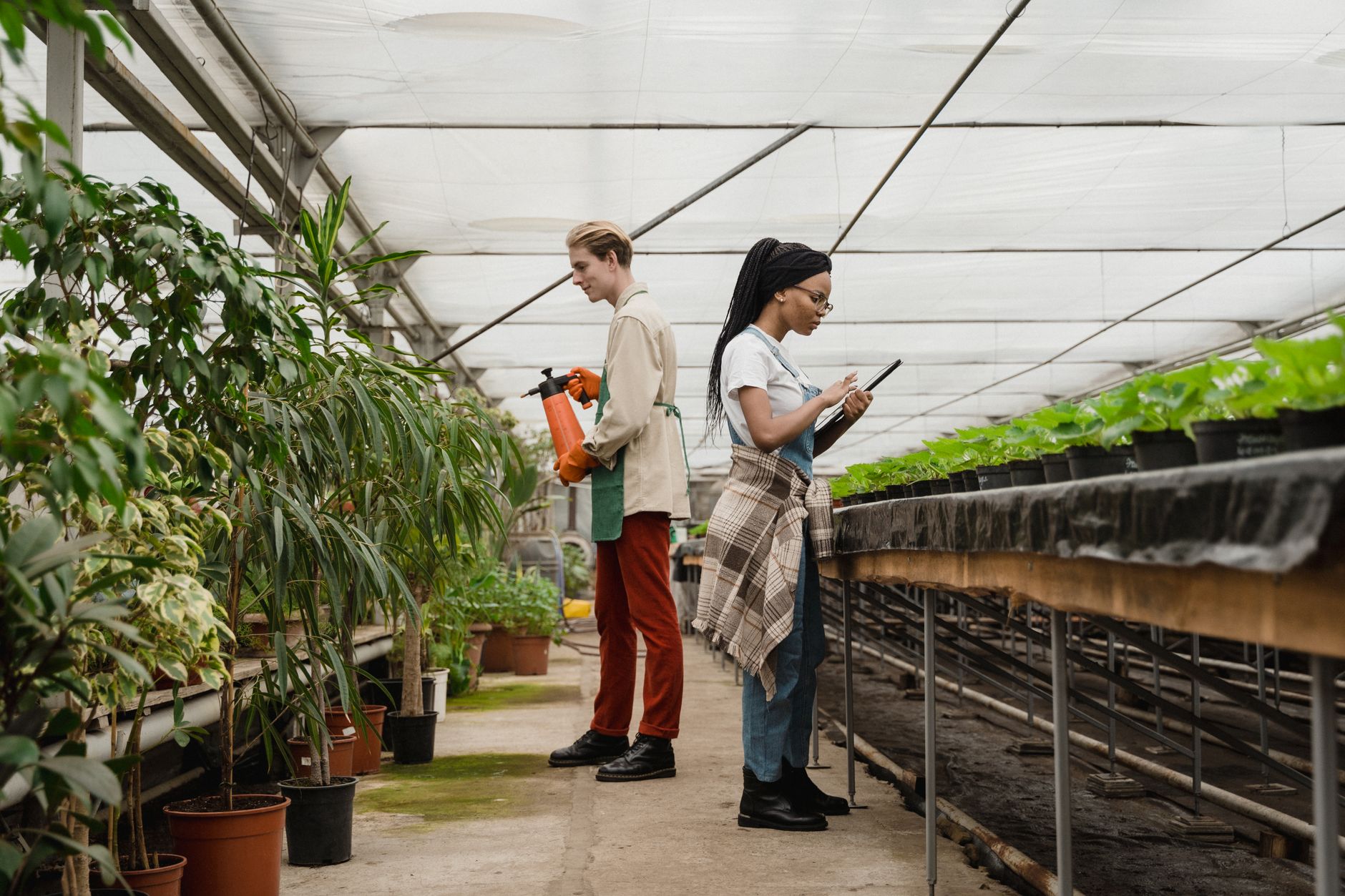
A typical deployment starts with mapping. Our engineers walk the aisles with your crew, mark the route, set the packing door handoff point, and note where drains, hose lines, plant supports, or floor changes narrow the path. Those notes become the route the robot follows every morning.
Once the route is set, the robot is sent to pick up full carts at the row ends, carries them to the packing door, and returns empty. The crew stays in the rows. The robot is most predictable on the same path every day, so changes to staging or plant layout need a route update before they go live. A missed stop is something the crew will see, so review the route log each morning for the first month.
Expect the first weeks to show friction. Staging spots that move each day, carts left in the wrong place, and equipment parked in aisles will stop the robot. Most of those are workflow fixes, and they are the reason to start with one route rather than the whole house.
- Map aisles, row ends and the packing door during the site assessment.
- Set one handoff point at the packing door and mark it on the floor.
- Run the route with a crew lead present for the first days.
- Lock staging rules, then go live on the real pre-dawn schedule.
Which greenhouse layouts fit a cart robot, and which do not?
Layouts that fit have clear main aisles, consistent row ends where carts stage, and a packing door reached by a flat, open path. Look closely at where carts are turned around, because a tight turn at a row end can be the real limit. The robot needs a repeatable route more than a large open floor. Plant spacing shapes the room you have, and Mississippi State Extension gives 4 to 5 square feet per greenhouse tomato plant, so ask whether the aisle layout was set with the spacing you actually run.
Layouts that struggle have aisles that are often blocked, uneven floors or thresholds, or staging that moves through the morning. The robot will stop, wait or reroute, and then someone ends up back in the aisle clearing the path. If the packing door sits on another level or behind a gate, settle that in the site assessment before any quote.
I did not verify Lancaster County frost dates, growing season length or local rules that would shape these choices, so this page does not state them. Food safety requirements for how product moves to the packing door belong to your food safety program and your customers, and they should review any change before go-live.
How do you lease a cart robot with us, step by step?
We start with a free site assessment. You do not need to pick a robot model first. We choose the right robot for your aisles and packing door across manufacturers, then lease it through financing, so the robot fits the site instead of the site fitting one maker.
The lease payment comes in a quote after the site assessment, once the route, robot count and service needs are known. Lease, deployment, integration, training and service come as one package, so you deal with one partner rather than several vendors and stitch the handoffs yourself.
Every unit is serviced under our service plan, with regional service engineers in every state we service. Remote triage and on-site dispatch are part of how problems get handled. A single route on a single aisle block is a sensible first step to test in your own house before you commit to more.
What should you check before you decide?
First, confirm the pre-dawn push is the true bottleneck. If picking is short because there are fewer pickers, a cart robot removes some walking and carting, but it does not add a person to the row. Set a target for carts moved and picks started on time, then measure against it after go-live.
Then test the physical constraints: aisle width, staging, packing door access, floor condition and low light performance. Lighting and sensing before dawn matter, and they need to be confirmed on your floor rather than assumed from a brochure.
Finally, confirm food safety and customer requirements, and ask how service works when a unit stops before the crew arrives. Those answers belong in the quote, so ask for them in writing.
Frequently asked questions
Upcoming events in Pennsylvania
No events are listed in Lancaster County yet. These are elsewhere in Pennsylvania.
- ExpoConstructing Industry Connections Symposium & ExpoNov 18, 2026Pennsylvania Farm Show Complex, Harrisburg, PA
- Trade showAPC/PennDOT/PA Turnpike Fall SeminarNov 18 to 20, 2026Hershey Lodge, Hershey, PA
- ExpoPittsburgh Remodeling ExpoFeb 5 to 7, 2027Acrisure Stadium, Pittsburgh, PA
- ConferenceASCE 2027 Annual ConferenceMar 1 to 5, 2027Pennsylvania Convention Center, Philadelphia, PA
Put a robot to work in Lancaster County.
We walk your site, learn the job, and recommend the unit that fits. Then we quote the lease, deploy it, and keep it serviced.
Sources
- Bureau of Labor Statistics, crop production (NAICS 111) injury rates
- American Journal of Industrial Medicine study indexed on PubMed (2024)
- Academic preprint on harvest-aid co-robots (arXiv 2107.13063)
- Academic preprint on strawberry harvest transport robots (arXiv 2111.09959)
- Mississippi State Extension, greenhouse tomato plant spacing
- Securing Agriculture's Workforce Act bill analysis (advocacy group, September 2026)
- Latin Times report on Pennsylvania farm labor (2025)
- Lancaster Farming, county greenhouse operations coverage