
The question, in the buyer's words
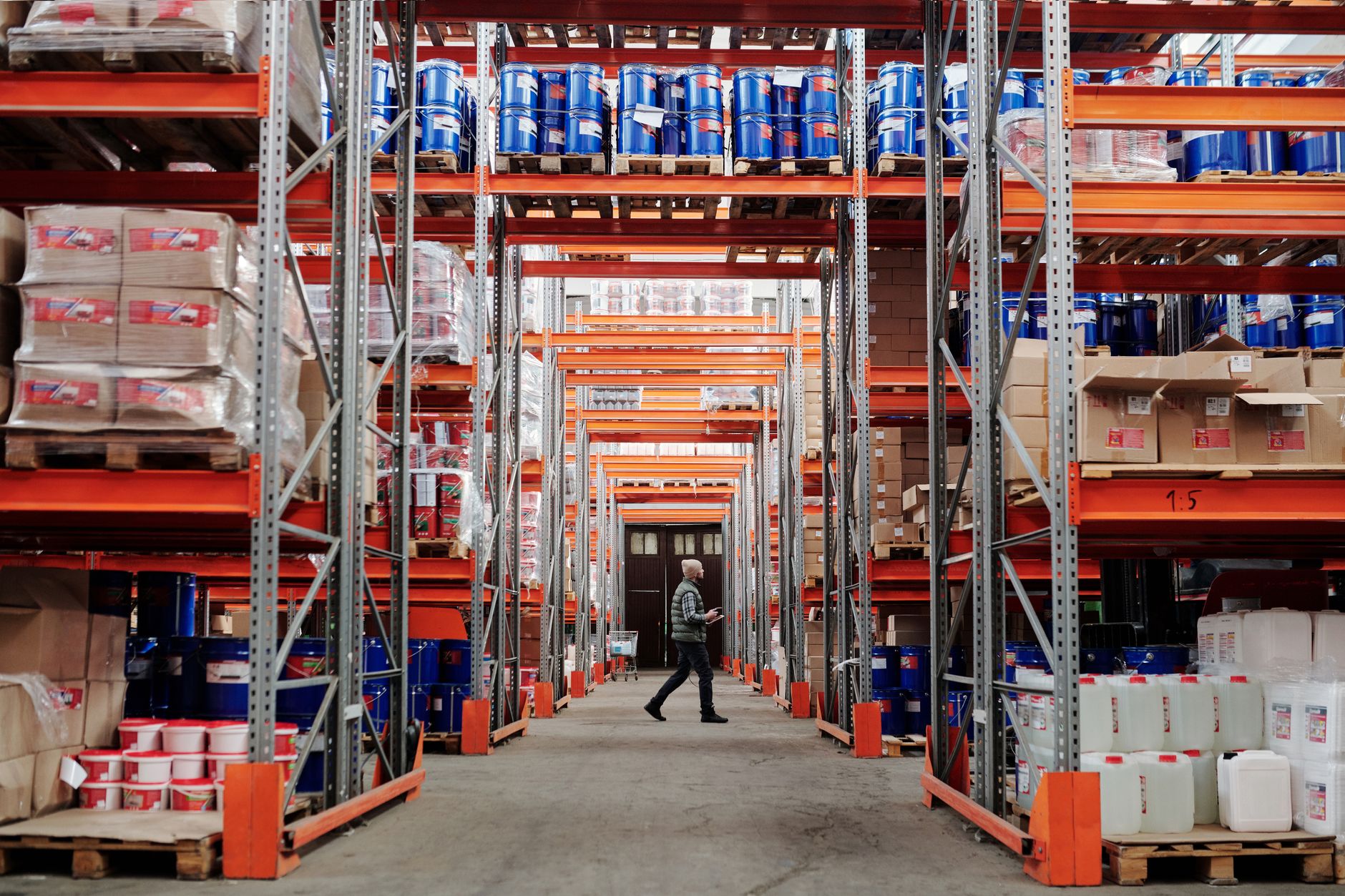
Our 95,000-square-foot plumbing parts distributor in Oklahoma City, Oklahoma pulls orders from shelves all day, and when two pickers are out the will-call counter backs up; could autonomous mobile robots carry picks from the shelves to the pack tables?
Key takeaways
- A mobile robot carries the tote, but a picker still pulls each item, so a robot does not fill an empty pick position.
- Walking and carrying are the time a fleet can recover, so check your pick logs before you commit.
- Warehouse hiring in the Oklahoma City metro draws from the same workers as every other employer, so picker gaps will not close on their own.
- Warehousing injury rates are high enough that a robot lane and traffic plan belong in the decision from day one.
- Summer heat is an operating input for batteries and charging, so measure indoor temperatures in July before you commit.
Can mobile robots carry picks at an Oklahoma City plumbing distributor?
Your building is about 95,000 square feet of plumbing parts shelving, and pickers walk it all day to fill orders that then queue at the will-call counter. When two pickers are out, orders stop moving from shelf to pack table, and that is the gap a mobile robot can narrow. The real question is which part of the flow a robot can take over.
An autonomous mobile robot is a wheeled platform that drives itself along mapped routes through the building. In a pick-to-pack setup it usually carries a tote, cart or order container between the pick aisles and the pack tables, then returns empty for the next run. The picker still walks to the location, selects the part and places it in the container, unless the system is built around shelf-picking equipment, which is a separate and larger project.
So the honest fit is this. A robot fleet takes carrying and return trips off the pickers who are present, which matters most on a full crew and a heavy day. It cannot make up for two empty pick positions, because each order still needs a person to pull the parts. The sequence should be fill or cross-train first, then measure whether walking still limits throughput.
Where does picking time go in a 95,000-square-foot pick aisle?
The honest starting point is your own data. The research did not turn up a verified benchmark for pick hours per shift, picker headcount at plumbing distributors, or floor area for a building of this size, so treat any hour figure from a vendor or blog as an assumption until your pick logs confirm it. Export the pick timestamps, order lines per shift and walk distances from your warehouse management system before the first conversation.
Break each pick into four parts: walking to the aisle, searching for the location, picking the line and carrying the order to the pack table. A robot mainly reduces the carrying and return walking, the time a picker spends moving between the aisle and the pack table. It does little for searching or for the picking itself, which is where slotting and location labels earn their keep.
The bottleneck decides the fit. If pickers spend most of their time walking, a fleet of carriers can change the day. If they spend most of their time searching or waiting for a free pack station, the fix is slotting, layout or more pack stations, and a robot may only add traffic to a crowded aisle.
How tight is the Oklahoma City labor pool for warehouse pickers?
According to FRED, which publishes Bureau of Labor Statistics data, transportation, warehousing and utilities jobs in the Oklahoma City metro reached 32.4 thousand in December 2025, up from 30.4 thousand in September 2025. Those figures are preliminary and subject to revision, and the group is broader than warehousing alone. The metro annual average was 31.5 thousand in 2024, down from 33.2 thousand in 2022, so the pool has moved both ways in recent years.
The Kansas City Fed reported in 2023 that Oklahoma City warehousing employment grew 16% a year from 2015 to 2019 and 21% a year from 2019 to 2022. It also found warehouse vacancy in the metro reached 5% by the second quarter of 2023. Fast growth and tight space mean your pickers are not the only employer hiring from the same workers, and a picker gap is harder to close when other warehouses are also hiring.
Turnover is the other side of the problem. A 2017 survey reported by DC Velocity found 39.2% of respondents met a benchmark of under 10% annual turnover, so most respondents did not meet it. Every new picker needs training, and a robot does not remove that cost. Plan for hiring and onboarding even if you add a fleet.
Cross training pack staff to pick on peak days reduces the exposure a fleet cannot fix, and it gives you a fallback when a picker calls out.
How many plumbing distributors are there, and is robot adoption rising?
Census County Business Patterns for 2023, as summarized by Vantainsights, counts 6,410 establishments in NAICS 42372, the umbrella group that includes plumbing and heating wholesalers. Census does not publish the narrower code for plumbing and heating supplies, 423720, separately at that level. No national count of plumbing parts distributors specifically turned up in research, so treat the 6,410 as a broad sector figure, not a list of your peers.
Adoption is rising in industrial settings. A3 reported in a February 2026 release, carried by Business Wire, that North American robot orders rose 6.6% in 2025. That release covers robots broadly and does not break out mobile robots for warehouses, so it shows momentum in the sector, not a benchmark for a distributor your size.
For a branch manager, the useful reading is that adoption is growing, but the decision still turns on the pick path in your own aisles.
What injury risk comes with pick aisle traffic?
The Bureau of Labor Statistics reports a total recordable injury and illness rate of 4.8 per 100 full-time workers in warehousing and storage for 2024. Within that rate, cases with days away plus restricted duty ran at 4.1 per 100, and days-away-only cases ran at 1.5 per 100. Fatalities in the sector rose to 32 in 2024 from 28 in 2023.
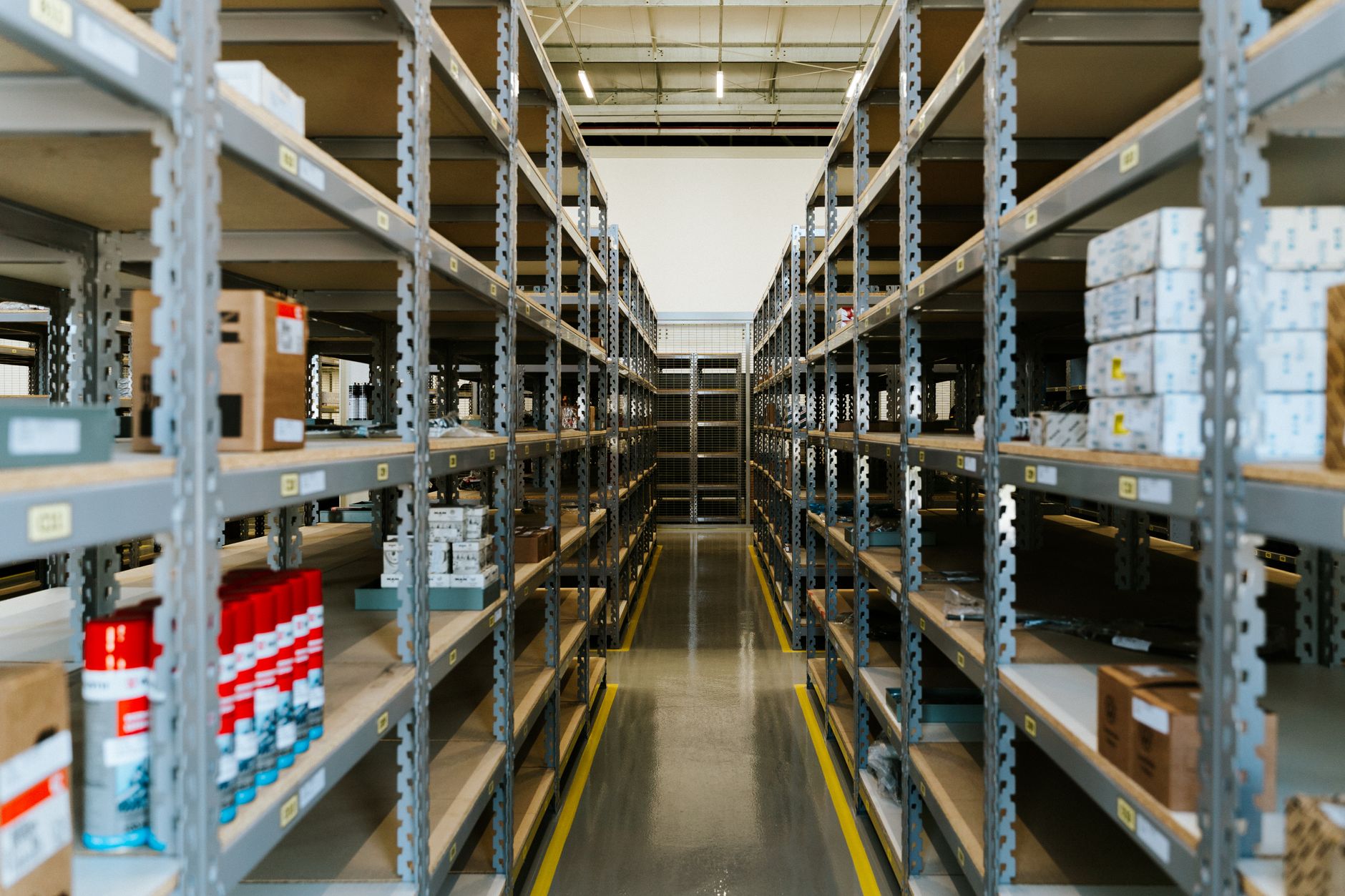
Pick aisles mix people, carts and lift trucks on the same floor, so a robot adds one more moving object to that mix. The safety case depends on dedicated robot lanes, speed limits near pack stations, and clear rules for where people walk during a shift. Ask any integrator how the robot stops for a person in a narrow aisle with a cart coming the other way, and ask to see the answer on your floor plan.
Ask for the incident history from comparable installations, and ask how the vendor logs near misses and blocked lanes. A fleet that keeps those logs gives your safety team data that a verbal assurance does not.
Injury data do not prove that robots lower a rate. They show why the traffic plan belongs in the site assessment and the decision, not in the final week before go-live.
How does Oklahoma City heat affect a robot fleet?
Summer is the first operating constraint. WeatherSpark's summary of Oklahoma City weather says average daily highs rise from about 84°F to 90°F over the summer, peaking at 94°F around July 26. The outdoor reading matters less than the indoor one, since batteries, charging and sensors live in your building, so ask for the vendor's stated operating range and measure your own bay in July.
A City of Oklahoma City presentation, citing a Midwest Regional Climate Center tool, puts 14 to 28 days a year at or above a heat index threshold in central Oklahoma. That measure is heat index, not a count of days at 95°F, so use it as a planning range for hot days rather than a precise forecast.
Place charging points away from dock doors and heat sources, and schedule battery checks before the hottest weeks. Charging equipment, fire clearance and insurance terms depend on your building, so confirm them with your insurer and local officials before you assume they are fine. The research did not find a local rule specific to mobile robot charging.
When is a robot the wrong fix for missing pickers?
A robot is the wrong fix in four cases. If your pick aisles are short and walking is a small share of the day, a fleet recovers little time. If pickers lose most of their time searching for locations, better labels and slotting come first. If open picker positions are the core problem, staffing and cross training come first. And if your orders need carriers larger or heavier than a standard tote system can handle, the robot type has to change before the project can start.
Set expectations for the will-call counter. A robot can shorten the trip from pick to pack, which reduces the queue when everyone is present. It will not clear a queue created by a missing picker unless someone else is free to pick those orders. Keep the counter staffing plan and the pick plan together in one decision, so the robot is not asked to solve a labor problem.
Do not treat a pilot result as a staffing plan. A fleet that works on a full crew can still leave the counter short when two people are missing, so the staffing plan has to stand on its own.
How does robot leasing work when one integrator handles the whole lifecycle?
We are a robot integrator that is not tied to one manufacturer, so we select the robot for your aisles and volume, then handle the lifecycle from one team. The robot is leased through financing, which keeps the decision on operating fit rather than on a large upfront outlay. The engagement starts with a free site assessment, and the lease is quoted after that assessment, when we know your layout, traffic, charging needs and pack stations.
After the quote, we deploy and integrate the robot with your pick paths, train pickers and supervisors, and service every unit under our service plan, backed by regional service engineers in the states we service. Confirm in the assessment that Oklahoma is in our service area and what response terms apply to your building, so you know the answer before a rush, not during one.
What should a first pilot in one aisle measure?
Start with one pick aisle and one pack table, and measure walking time and will-call wait during the same shifts before and after the robot runs. Track three numbers: order lines picked per picker hour, minutes from order release to pack table, and the will-call queue at shift changes. Compare them with the same measures from before the pilot, and include at least one day with a picker out.
If the gain holds on a short-staffed day, you have evidence for the next step. If it does not, you learned that before committing to a full fleet, and the same numbers will show whether slotting or staffing is the better investment.
The pilot also tests the people side. Pickers need a clear rule for when a robot stops, how to clear a blocked lane, and who calls the service engineer. Write those rules before go-live, not after the first jam, and review them with the shift leads who will run the aisle.
Frequently asked questions
Upcoming warehouses & 3pl events
Put a robot to work in Oklahoma City.
We walk your site, learn the job, and recommend the unit that fits. Then we quote the lease, deploy it, and keep it serviced.
Sources
- U.S. Bureau of Labor Statistics, warehousing and storage industry data
- FRED, Federal Reserve Bank of St. Louis, Oklahoma City transportation, warehousing and utilities jobs
- Kansas City Fed, Oklahoma's warehousing boom
- DC Velocity, nine ways to boost warehouse performance and cut turnover
- A3 North American robot orders release, via Business Wire
- Vantainsights, NAICS 423720 plumbing, heating equipment and supplies wholesalers
- WeatherSpark, average summer weather in Oklahoma City
- City of Oklahoma City presentation citing Midwest Regional Climate Center heat index data