
The question, in the buyer's words
I run a 55-person jewelry casting and polishing shop in Providence, RI where hand buffing is wearing out wrists and every piece has to match the finish our customers approve; could a cobot take the buffing pass without changing that finish?
Key takeaways
- A cobot fits the repeatable buffing pass on fixtured parts, not the whole bench.
- Repetitive hand work is a documented injury pattern, so the wrist problem is worth solving.
- A finish match depends on a written, testable standard and sample review, not on the arm.
- Undercuts, stone settings and final sign-off usually stay with skilled hands.
- The site assessment, not a brochure, settles whether your parts and building fit a cell.
Can a cobot take the buffing pass in a Providence jewelry shop?
Yes for part of the work, and that part is narrower than most shop owners expect. A collaborative robot arm, or cobot, can hold a repeatable path on a fixture and press a buffing or polishing head against a part with controlled force. What it does not do well is read a piece the way a skilled finisher does, so the real question is which passes are repeatable enough to hand over without changing the finish.
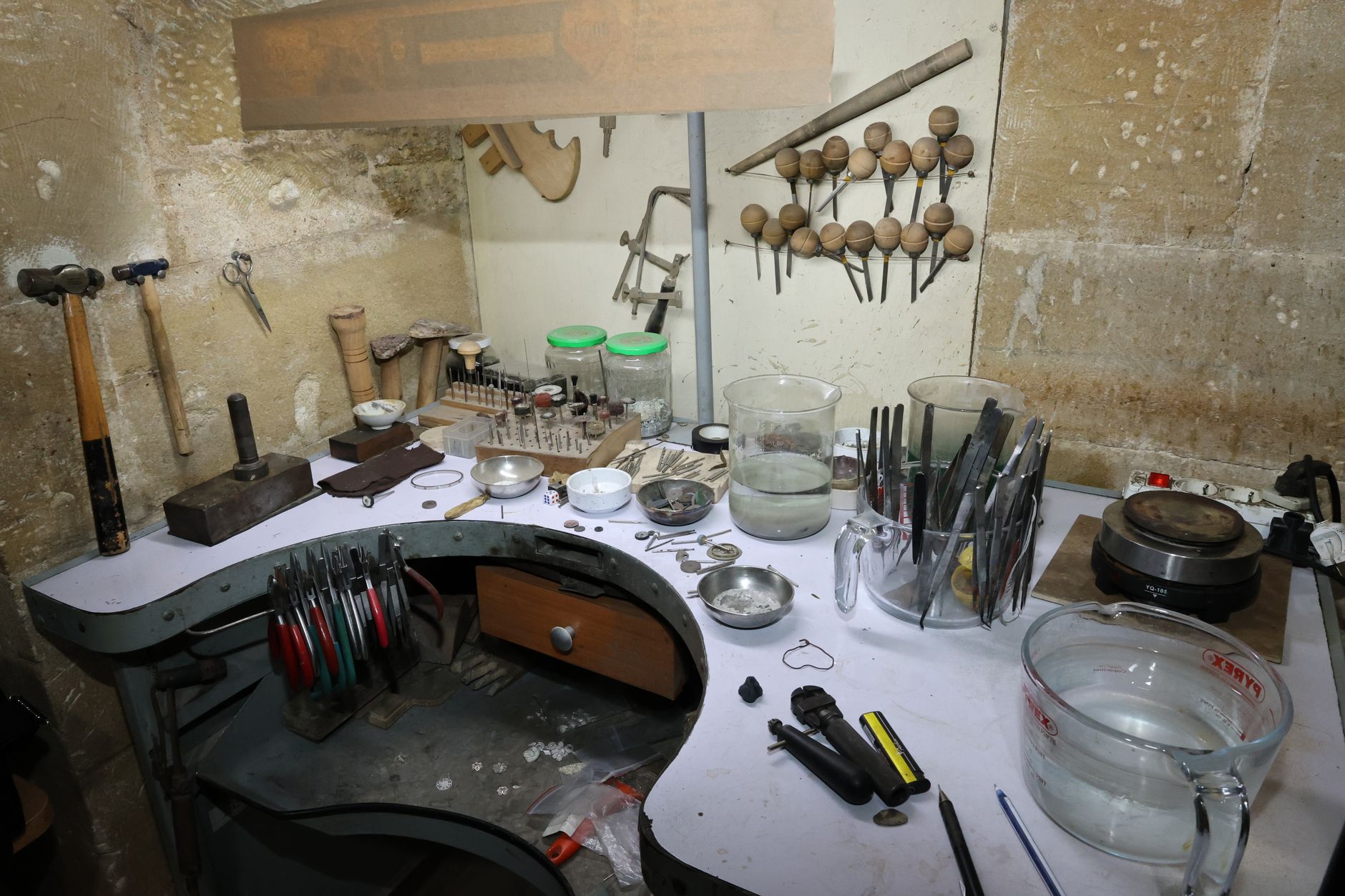
For a 55-person casting and polishing shop in Providence, the honest first step is to split the bench into passes. Some passes are flat, repeated and easy to fixture, such as bands, shanks or plates. Others depend on judgment in recesses, around stones or on pieces that change shape from casting to casting, and those are the passes where the approved finish is most likely to drift if a robot takes them.
We are a vendor neutral robot integrator. We choose the arm and tool head from across manufacturers for the parts you actually run, then lease the cell through financing, deploy it, train your staff and service it nationwide. The lease is quoted after a free site assessment, which is where we test your parts and samples before anyone signs anything.
Why is hand buffing wearing out wrists?
Repetitive hand work is a recognized injury pattern. According to the National Safety Council, private sector data for 2023 to 2024 counted 937,620 musculoskeletal disorder cases, of which 484,620 involved days away from work. Those figures cover all industries rather than jewelry, so they show the scale of the problem, not the risk at your benches.
The Bureau of Labor Statistics names overexertion and repetitive motion as the primary causes of musculoskeletal disorders in its factsheet. That matches what a buffer feels in the wrist after a long shift: the same motion, repeated under pressure through the day. The same factsheet points to 2023 and 2024 as the latest nonfatal estimates, so an up to date picture for your shop should come from your own injury log rather than a national average.
We did not find a published hand or wrist injury rate for jewelry or metal finishing in this research pass. Ask your insurer for your claims history and check your own logs before you build the case for a pilot.
How many jewelry and metal workers are there in the Providence area?

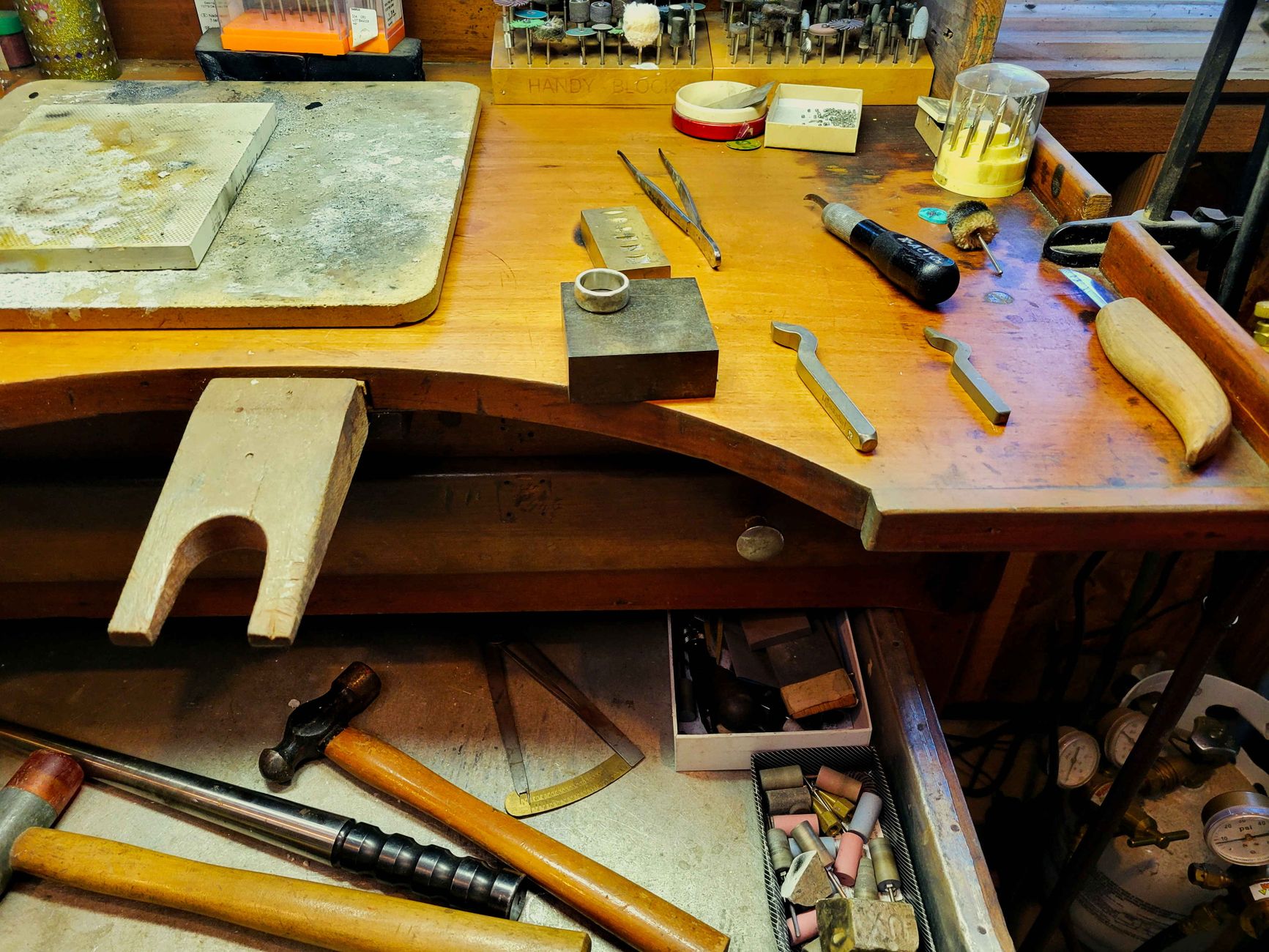
The local labor pool for this trade is small. The Bureau of Labor Statistics May 2020 estimate for the Providence-Warwick area counted 710 jobs for jewelers and precious stone and metal workers, across all industries rather than jewelry manufacturing alone. That is one year of occupation data, so read it as an order of magnitude, not an up to date headcount.
The trade's history is much larger. According to a Rhode Island Historical Society publication, the Providence jewelry trade around 1909 had about 10,000 workers at more than 290 firms. That figure is historical and does not describe today's shops, but it helps explain why the region has a long tradition of bench skills.
What this means for staffing is simple. Skilled finishers take time to train, so a robot that takes the wrist-heavy repeat pass off a senior buffer keeps that person on the detailed work only they can do. That is the case a pilot should test, not a headcount reduction.
Which buffing passes can a robot take and which stay with hands?
Start with the passes, not the robot. A repeatable pass has a fixed approach angle, a known contact zone, a part that seats the same way every time and a finish standard someone can measure. A pass that needs a finisher to re-read the piece every few seconds is a poor first target, however tedious it is on the wrists.
Good first candidates are flat or gently curved surfaces that can be clamped in a fixture, where the buffing head reaches the same zones on every cycle. Keep the first pilot on one part family. A mixed bench with many casting shapes multiplies fixture work and makes finish drift harder to trace back to its cause.
Hard cases include deep recesses, undercuts, stone-set areas, filigree and surfaces where the finish changes with casting porosity. These parts need a human hand because the tool can only follow a path, and the path cannot see what a finisher sees in a recess or around a stone edge.
Ask which part families have the most identical repeats. A family with a long run of matching pieces gives a pilot its fairest test, and it is the place to begin.
- Repeat motion across a batch
Cobot
Holds the same path and pressure cycle after cycle when the part is fixtured
Staff
Varies slightly by hand, which can be acceptable on forgiving parts
- Wrist and hand strain
Cobot
No wrist fatigue on the repeated pass
Staff
Fatigues over a shift and needs breaks and rotation
- Reading the piece
Cobot
Follows a programmed path and cannot see undercuts or stone edges
Staff
Adjusts by sight and touch on each individual piece
- Changeovers between part families
Cobot
Needs new fixtures and setup work for each family
Staff
Switches between shapes with little setup
- Final sign-off
Cobot
Can be checked against measured standards and batch comparisons
Staff
Catches defects a test can miss, judged against approved samples
What does a finish match need before a robot can run?
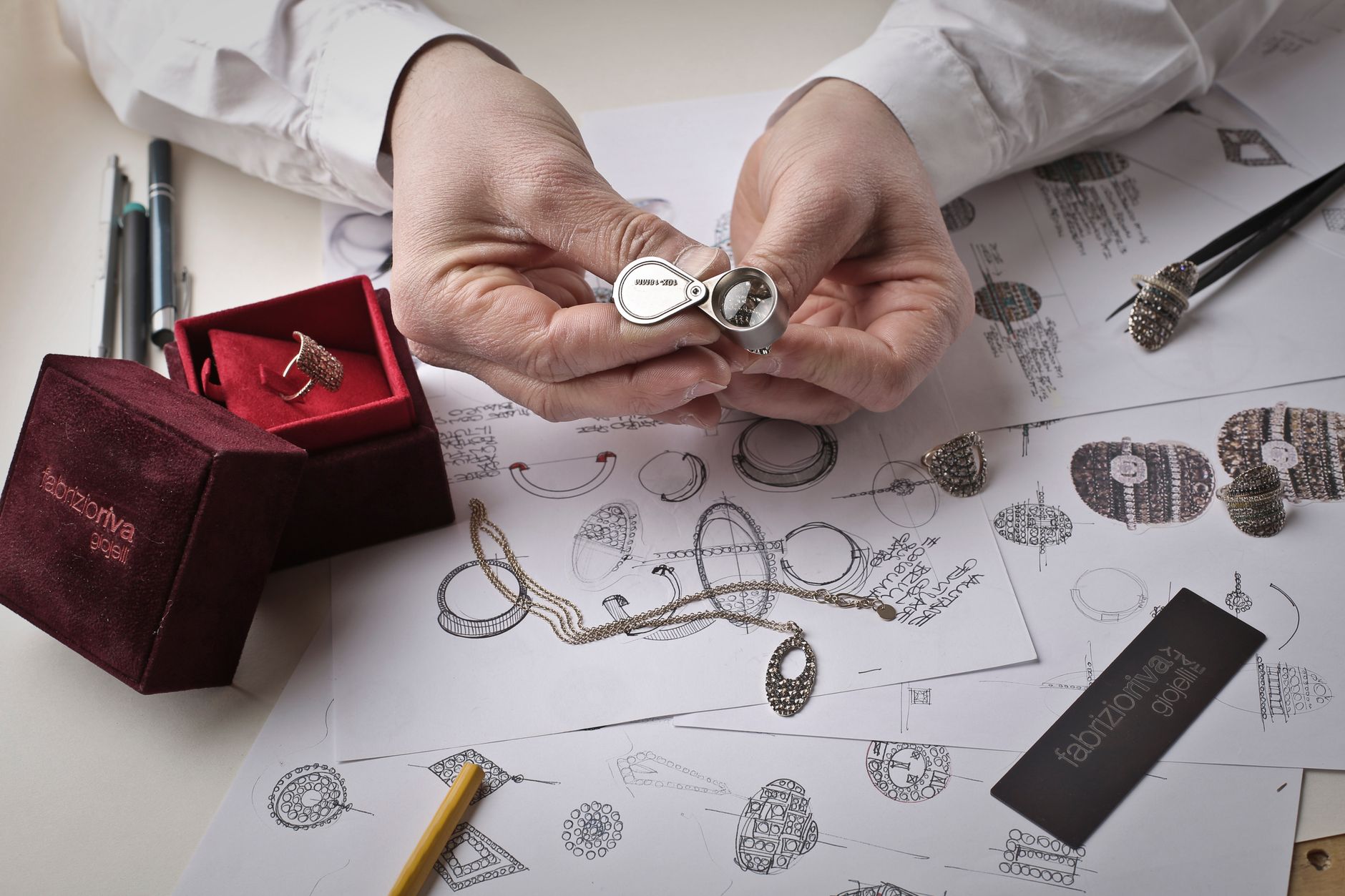
The finish your customers approve is the real specification, and it has to be written down before any robot is involved. Pull approved sample pieces, photograph them under your standard lighting and record which compound, wheel and contact pressure produced each finish. If the finish lives only in a finisher's eye, the first task is to turn it into a standard that a test can check.
Then run a controlled trial. Buff a set of parts by hand and by the robot cell on the same fixture, then compare both sets under the same light and against the same approved samples. A cobot can keep motion and force steady across a batch, which is where much of the consistency comes from. Whether the output passes your customers is a question only your sample review can answer.
The checks that make a match defensible are these:
- A written finish standard tied to specific approved samples
- A fixed fixture and part orientation for each part family
- Recorded compound, wheel and contact pressure for every setting
- Lighting and gloss review done by the same inspector each time
- A pilot batch judged by the person who signs off on the finish today
How much bench time could the robot take over?
We did not verify an hour figure for hand buffing in this research pass, so this section describes how to measure the work rather than promising a number. Log one representative week of bench time by pass, part family and operator. That log becomes your baseline, and it is the only figure a pilot should be judged against.
The robot does not remove every minute of a pass. Loading and unloading fixtures, changing setups between part families and the inspection step stay with staff, and on a shop with many small part families the changeovers can take longer than the cycle itself. Expect a pilot to look slower before it looks faster, and plan the trial around that.
Track three things during the pilot: good parts passed on first review, finisher hours on the family being tested, and reported wrist or hand discomfort. The third is not a medical test, but it shows whether the pass is actually easing the load on your people.
| Task | Today | With a robot |
|---|---|---|
| Repeated buffing pass on fixtured flat parts | Logged on your bench, not estimated here | Runs the cycle under staff supervision |
| Loading and unloading fixtures | Done by the finisher at the bench | Still staff time, not removed by the cell |
| Fixture change between part families | Little or none, finisher swaps by hand | Added setup time for each new family |
| Inspection against approved samples | Finisher and inspector review each lot | Same review, plus side-by-side batch comparison |
No hour figures were verified for this page. The shop's own time log from one representative week sets the baseline. The robot column shows which tasks change hands, not how long each one takes.
What does leasing and deploying a cobot look like with us?
We lease the cell through financing, so the shop keeps its capital for castings, machines and people. Our team selects the arm and tool head across manufacturers for your parts, then deploys and integrates the cell, trains your finishers and services the unit nationwide under our service plan. The lease is quoted only after a free site assessment, because the fixture, floor space and power at your bench decide the configuration.
A phased rollout matters here. Start with one leased unit on one part family, run it beside the bench, and widen the scope only after the finish review passes. Ask us in writing about spare unit coverage and on-site dispatch during the quote, since coverage depends on your site and location.
We will not give a figure on this page. The right configuration for a jewelry bench depends on the part families, fixtures and building, and the payment comes in a quote after that assessment.
What local factors should a Providence shop check?
We did not verify Providence climate, seasonal patterns or Rhode Island rules in this research pass, so this section names what to check rather than stating what those conditions are. Humidity and temperature can affect compounds, wheel loading and how parts dry, and those effects should be tested on your floor rather than assumed from a general rule.
Your building matters as much as the bench. Check power, floor load, dust extraction and the local inspection requirements that apply to your address during the site assessment, since those decide where a cell can sit. Rhode Island rules and local building or fire requirements are questions for that assessment and your local authority, not claims this page makes.
Seasonal order peaks change when a pilot is safe to run. If your shop sees any seasonal surge, schedule trial batches outside it so finishers can judge the output without rushing. Frame the pilot as taking the repeat pass, which keeps skilled people on the work that needs them.
What should a Providence shop check before deciding?
Use these checks as the order of decisions. Each one can change the answer, and any one of them can end the cobot idea for a given part family.
The likely failure point is the standard, not the arm. A finish nobody can write down cannot be matched by any machine, so the sample review and inspector sign-off are the first gates to pass.
Ask for a written pilot plan with the test batch, the sign-off person and a stop rule, meaning the condition under which the trial ends with no lease. A shop that agrees the stop rule before the trial is far less likely to argue its way into an outcome afterward.
If most checklist answers are yes, a pilot on one part family is a reasonable next step. If the standard is the answer that is no, fix the standard first, because a robot cannot match a finish that nobody has written down.
Frequently asked questions
Upcoming manufacturing events
- Trade showBrats & RobotsNov 10, 2026Alliant Energy Center Exhibition Hall, Madison, WI
- Trade showMATE Farm & Ranch ShowFeb 11 to 13, 2027MetraPark, Billings, MT
- ExpoPFMA Expo 2027Feb 17 to 18, 2027Washington County Fair Park, West Bend, WI
- ExpoLouisville Facilities Maintenance ExpoApr 15, 2027Mellwood Art Center, Louisville, KY
Put a robot to work in Providence.
We walk your site, learn the job, and recommend the unit that fits. Then we quote the lease, deploy it, and keep it serviced.
Sources
- U.S. Bureau of Labor Statistics, Occupational Employment and Wage Statistics, May 2020, Providence-Warwick
- National Safety Council, Injury Facts, musculoskeletal injuries data details
- U.S. Bureau of Labor Statistics, Musculoskeletal disorders factsheet
- Rhode Island Historical Society publication, 2010 Winter and Spring