
The question, in the buyer's words
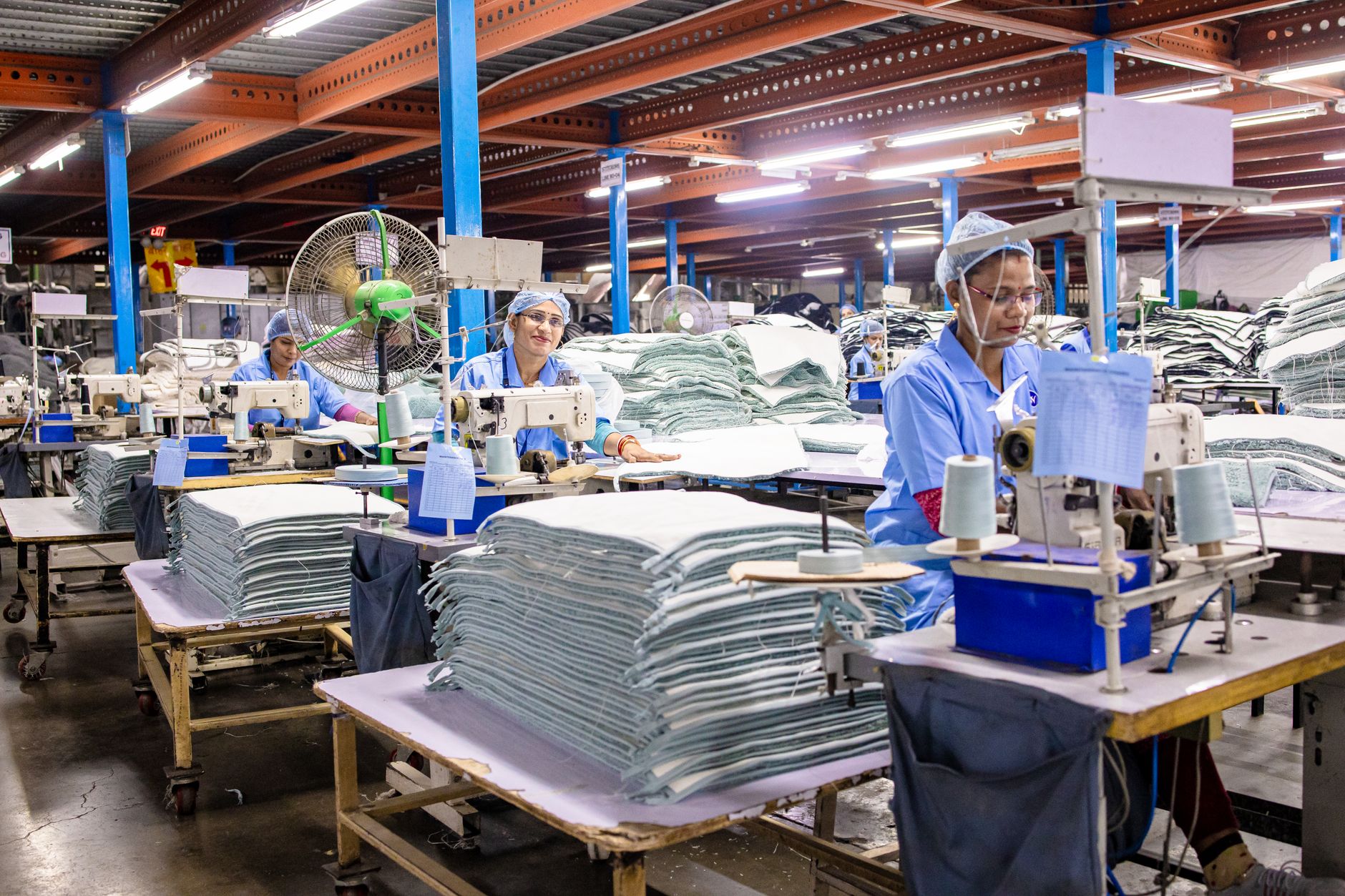
Our 45 assemblers hand-press every fitting onto the housings in our Houston, Texas plant, and lead times keep slipping on rush orders; could a cobot start on one line now without a long shutdown?
Key takeaways
- A cobot can take the press-fit step on one line if force, payload and cycle time all fit.
- One cell rarely clears a rush backlog alone, so check where orders actually wait first.
- Collaborative is a capability, not a safety certification, and the cell still needs a risk assessment.
- Houston heat and local competition for workers argue for a small pilot on one shift first.
- The site assessment is free, and the lease is quoted after it.
Can a Houston fitting press cobot start on one line now?
Yes, on one line, and only after a short scope check. Your 45 assemblers hand-press every fitting onto the housings, so one short, repetitive press-fit step probably sets the pace of the whole line. That is the step a cobot can repeat all shift. It is not a fit for replacing every station at once.
A pilot cell usually sits beside the existing line rather than replacing it. The cell has an arm, a fixture that holds each housing in the same position, a feed for fittings, a press tool or end effector, and guarding sized to the risk. Your assemblers keep working the other stations while the cell is installed, tested and trained.
Lead times slipping on rush orders is the symptom, and the press station is the first place to check whether it is the cause. If the queue forms at the press, one cell can change the schedule. If the queue forms earlier or later, the press is only the most visible step.
What does a cobot shutdown really look like on a press line?
Without a long shutdown usually means a planned cutover, not zero stoppage. The cell is built and tested beside the line, then connected at a scheduled break such as a weekend or a planned maintenance window. Most of the calendar goes to fixture build and part qualification, not to moving the arm into place.
The shutdown you can avoid is the open-ended one. Plan one short window for the first connection, another for the first production checks, and keep a manual station staffed until the cell runs at rate on real housings. That way a rush order never waits on a robot that is still being tested.
Choose the cutover window by looking at your order book, not the calendar. A window that falls right before a known rush is a poor choice, even if it is quiet on paper. Ask for the cutover plan in writing before any hardware is ordered. It should name who signs off each first part, what happens if the cell faults mid-order, and which assembler covers the manual station if the cell goes down.
What can a cobot press, and what can it not?
A cobot is good at repeatable placement, a consistent insertion path and steady cycle time. It is limited by payload and reach, by the force it can apply, and by how well the fixture holds the part. Those four checks settle most of the question before the brand matters.
Press-fit force needs a real measurement. Hand pressing lets an assembler feel the seat and stop before damage. A cobot needs force sensing or a compliant tool, and a fit that depends on feel may need a trial with a specific tool before anyone commits to a layout.
Variants matter as much as force. If the housing family changes weekly, the cell needs quick fixture changes and recipe control. If the fittings per housing vary, the feed system is usually harder to get right than the arm.
- Payload, including the fixture and the housing
- Reach to every fitting position on the housing
- Press force at the worst-case fit, not the nominal one
- Cycle time against the line rate you need on rush days
Is a collaborative press cell safe beside assemblers?
Collaborative describes a capability, not a safety certification. A 2019 RIA presentation quoted by Control Engineering says OSHA does not specifically address human-robot collaboration, relying instead on its general duty clause and on industry standards. That presentation is dated, so check OSHA's latest position at osha.gov before you sign.
Power and force limiting permits contact between a person and a padded, limited-force robot, according to ISA. A press tool is not padded, and pinch points at the press, tool edges and any moving fixture still need guarding or safeguarded speed limits. The cell's risk assessment decides which controls apply where.
Control Engineering also notes that ISO/TS 15066:2016 gives body-region pain-threshold guidance, and that its concepts reportedly now appear in ISO 10218-2. Confirm the edition your integrator uses against the latest standard. What your plant needs on file is the risk assessment for this cell, not a general claim about collaboration.
Why are rush orders slipping in Houston right now?
Part of the answer is the regional labor market. The Greater Houston Partnership forecast, built on data as of August 2025, projected 30,900 jobs added in the region in 2026, and 14,000 of them in health care, which is 45 percent of the new jobs. Health care draws on the same local workforce that shift work relies on, so filling a press line gets harder when that pool tightens.
The manufacturing base is large, which is not the same as available hands on your shift. The FRED series for total manufacturing employment in the Houston area, not seasonally adjusted, shows 238.1 thousand workers in December 2025. A large base still leaves each plant competing for a limited number of people who will work a specific shift.
Nationally, the Bureau of Labor Statistics projects about 198,800 openings a year on average over the decade for assemblers and fabricators, the broad group that includes team assemblers. Projected employment change for that group is minus 1 percent from 2024 to 2034. Most of that churn is replacement hiring, so a single open station can hold up a rush order. The BLS page does not give a team-assembler turnover rate, so measure your own before you size a pilot.
Adoption tells you the category is growing, though not whether your press step fits. According to the International Federation of Robotics, about 66,000 collaborative robots were installed in 2025, about 11 percent of the 603,000 industrial robot installations in the same year.
How does Houston heat affect a cobot cell on the floor?
Heat is a real operating factor here. According to NPR and KEDT reporting from January 2026, Houston had more 90-plus-degree days in 2025 than ever before. A hot floor strains the assemblers at manual stations and the electronics in the cell, so ventilation and cabinet cooling belong in the site assessment.
Check the operating temperature range stated for the arm, the controller and any force sensor. Compare it with the hottest afternoon your floor sees in summer, not the spring average. A cabinet placed beside a press or a sunlit wall can run hotter than the room thermometer shows.
Plan commissioning for a cooler stretch if the schedule allows, so the first production runs do not fall in the hottest weeks of the year. Heat also adds fatigue at the manual stations, which is one more reason to schedule the cell and the crew together.
When is a cobot the wrong fit for this press line?
If rush orders slip because of material shortages, machine downtime at other stations or a quality hold, a robot will not fix the schedule. Map where the orders wait before you decide. The press may be the bottleneck, or it may only be the most visible step.
A cobot does not fit a fitting that needs a heavy press or very high insertion force, or one that relies on constant hand feel to seat correctly. It is also a poor match if the housing mix changes daily and the fixture change takes longer than the run. A family of housings with a limited set of fittings that repeat across shifts is the better fit.
The honest scope is often one station, one housing family and the shift that gets the rush orders. The rest of the crew stays needed for inspection, rework and changeovers, and the cell succeeds by taking the repetitive press step, not by emptying the floor.
How do we lease and deploy a cobot for your plant?
We choose the arm, the fixture and the safety layout for your site, then lease the cell through financing. The lease is quoted after a free site assessment, so you see the terms before you commit. Robots are only leased through financing, and we are not tied to one robot maker, so the choice follows your floor.
Deployment follows the cutover plan. Our regional service engineers install and integrate the cell beside your line, train assemblers and supervisors, and support the first production runs until the cell holds rate. One team handles selection, deployment, training and service, so you do not coordinate several vendors during a rush order.
Service runs under our service plan, with on-site dispatch and remote triage. Ask about backup or loaner units in your quote if a rush order cannot wait on a repair. Read the coverage terms with your plant engineer before you sign.
What should you check before you sign?
Use the checklist below before the site visit and again before the quote. Each item can change whether the answer stays yes, so treat a red flag as a reason to adjust the scope rather than a reason to stop.
Bring the housing drawings, the fitting specifications, any existing fit force data, the shift schedule and the log of recent rush orders, even if the log covers only the last few months. Those documents let the assessment measure the press step rather than estimate it.
Keep the first pilot small on purpose. One station, one housing family, one shift and a written measure of success, such as the number of rush orders that clear on time, give your plant engineer and your insurer something concrete to review.
Frequently asked questions
Upcoming manufacturing events
- Trade showBrats & RobotsNov 10, 2026Alliant Energy Center Exhibition Hall, Madison, WI
- Trade showMATE Farm & Ranch ShowFeb 11 to 13, 2027MetraPark, Billings, MT
- ExpoPFMA Expo 2027Feb 17 to 18, 2027Washington County Fair Park, West Bend, WI
- ExpoLouisville Facilities Maintenance ExpoApr 15, 2027Mellwood Art Center, Louisville, KY
Put a robot to work in Houston.
We walk your site, learn the job, and recommend the unit that fits. Then we quote the lease, deploy it, and keep it serviced.
Sources
- U.S. Bureau of Labor Statistics, Occupational Outlook Handbook: Assemblers and Fabricators
- International Federation of Robotics, President's Report 2026
- FRED, Federal Reserve Bank of St. Louis: Houston-area total manufacturing employment
- Greater Houston Partnership: Job growth forecasted for Houston region in 2026
- KEDT: Houston saw more 90-plus degree days in 2025 than ever before
- Control Engineering: Safety and control in collaborative robotics
- ISA InTech: Take a safe approach to collaborative robots