
The question, in the buyer's words
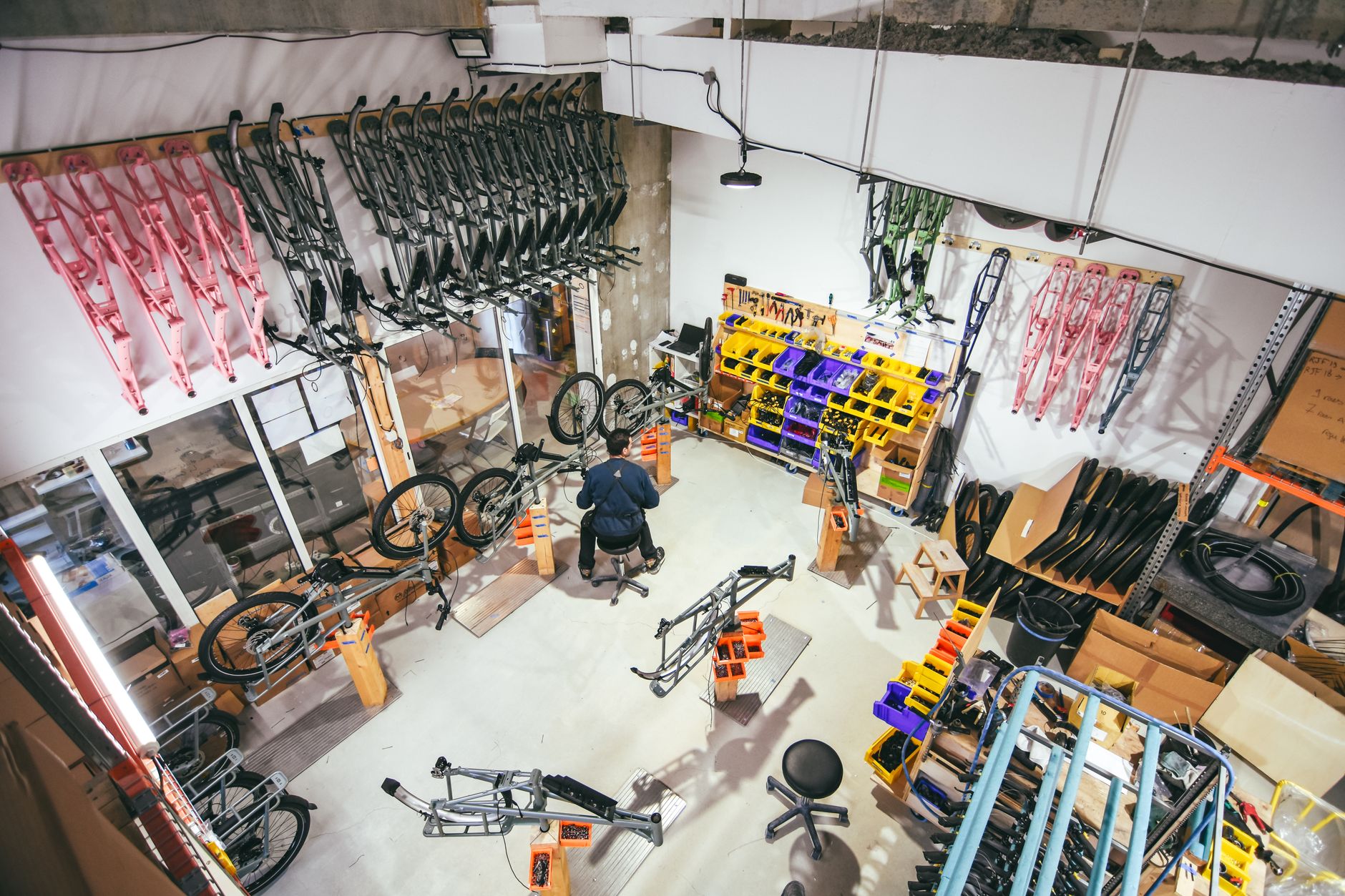
Our 30-person e-bike assembly shop hand-tightens about forty bolts per frame, and our assemblers are tired of it; could a cobot run that torque pass without slowing the line?
Key takeaways
- A cobot fits a fixed frame, a repeatable bolt pattern and a torque pass that is a real bottleneck.
- At forty bolts per frame, cycle time per bolt is the number that decides whether the line keeps its pace.
- Recorded torque and angle for each joint give traceability that hand tightening cannot prove.
- Time a dry run on your own frames before deciding, because vendor figures are not your figures.
- The lease payment is quoted after a free site assessment, so the number reflects your cell.
Can a cobot run the ebike frame bolt torque pass without slowing the line?
Short answer for most ebike shops: a cobot can take the torque pass on a frame when the frame sits in a fixture, the bolts sit in predictable places, and the cycle time fits the line. The ebike frame bolt torque task suits a cobot because it is repetitive, the target torque is set for each joint, and the work is done the same way every time. It is a poor candidate when every frame model is different and the fixture has to be changed by hand before each build.
Forty bolts per frame means the cobot's total cycle is the sum of many small moves, each with a tightening step and usually a check. Reach matters most. The arm has to bring the nutrunner onto each bolt head from an approach angle that does not strike the frame or a neighboring part. Torque capacity is rarely the limit. A pulse-tightening cobot nutrunner product listing from a torque tool maker reports a range of 0.1 to 140 N·m, and says the tool records torque, angle and serial number, which is the record a quality audit will ask for.
Before anyone talks robots, write down three things: the torque and angle spec for each joint, the tightening sequence the frame needs, and whether any bolt is tightened twice. Those three items decide whether a cobot can match the hand process. If the team cannot state them, the first job is to pin them down, not to shop for hardware.
Why do hand-tightened frame bolts wear out assemblers?
Hand torque work loads the wrist, forearm and shoulder in ways that add up across a shift. A NIOSH study on screwdriver torque and handle posture found that muscle activity rose as handle height and horizontal orientation increased, and that a larger, vertically oriented handle supported greater torque. Frame work often puts bolt heads below elbow height and asks the wrist to bend while the arm pushes sideways, which is the posture pattern that study describes as the harder one.
The wider picture is musculoskeletal disorders. According to the National Safety Council, private sector MSD DART cases numbered 937,620 in the BLS biennial estimate period covering 2023 to 2024, and 484,620 of those were days-away-from-work cases. The Council also notes that from 2023 the BLS category became 'Overexertion, repetitive motion and bodily conditions,' so year-to-year comparisons need care. These totals cover all industries, not ebike assembly, so they show that the category is large, not what your shop's own rate will be.
For your floor, the practical point is plain. A torque pass that asks the same assembler for about forty bolts per frame, frame after frame, creates the repetitive loading those studies describe. The fatigue your team reports is a signal that the job design needs to change, and moving the repetitive pass to a machine is one of the few direct ways to change it.
How fast can a cobot tighten 40 bolts per frame?
Cycle time decides whether the line stays whole. Each bolt adds the move to the joint, the tightening, and any verification, so every second of cycle time per bolt adds roughly 40 seconds to a frame at forty bolts. Your line's takt is the number to beat, and it should be set by the slowest station, not by the average station.
Vendor figures show what is possible, with the caveat that each one describes the vendor's own application. One cobot gearbox screwdriving case study describes a cobot with a double electric gripper locking two screws at once and finishing a gearbox screw set in about 32 seconds. That was a different part, but the tactic carries over: a double or multi-head end effector can cut the number of cycles, and the cobot can keep pace if the fixture holds the part steady.
Ask any integrator to time a dry run on a real frame. Measure the move time, the tightening time and the verification time separately, because each one points to a different fix. If the sum fits inside takt with margin, the cobot is viable on cycle time. If it does not, the usual fix is a change in tool or sequence, not a faster arm.
What happens when bolt positions shift or threads are at risk?
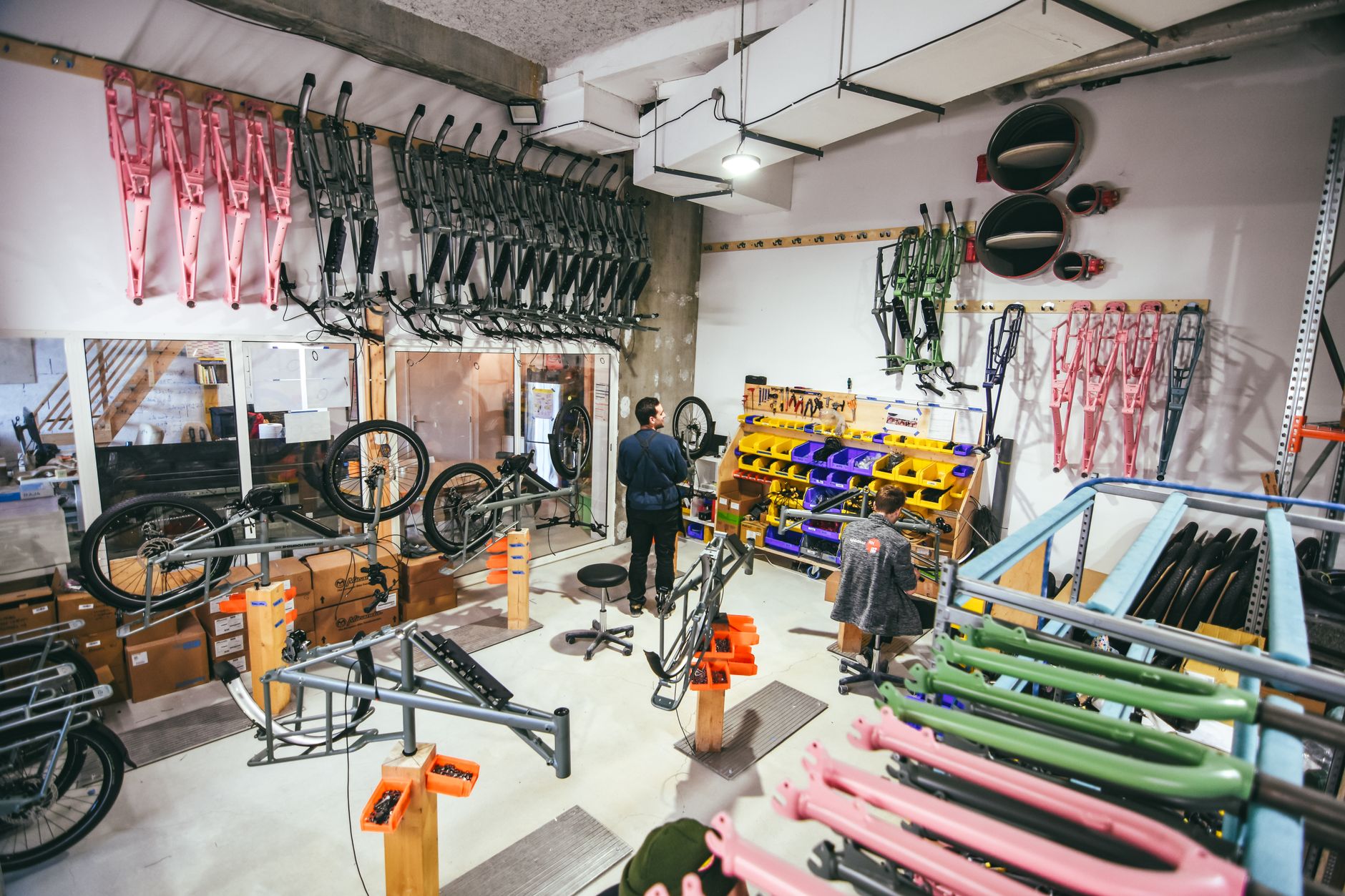
Frames vary. Tube joints and jigs drift from one lot to the next, and a fixed program will miss a bolt that has moved. An academic case study on a cobot with 3D vision and a nutrunner tightened nuts on bolts in a van partition plate. Plate misalignment made the bolt positions uncertain, and the vision system corrected for it. The same approach can apply to frame joints, although the part, the joints and the lighting will differ.
Thread damage is the other risk. A 2022 ROMAN conference paper describes collaborative screwing in which the robot's compliance adapts to measured force, which limits the clamping force that could damage threads. Ask whether the tool you consider can run a torque and angle strategy, or at least torque control with a stop on abnormal readings, and whether it records those values for each joint.
This is where a cobot earns its place over a basic manual tool. A recorded torque and angle for every joint on every frame gives you traceability that a hand process cannot prove, and it lets you spot drift in a tool or fixture before a fastener fails.
Is a cobot the right fit for an ebike assembly line?
Robot demand is rising, though e-bike assembly is not the sector pulling it. According to the International Federation of Robotics, as reported in a robotics trade publication, US industrial robot installations rose 11% year on year to 38,000 units in 2025, with the rebound driven mainly by food and other non-manufacturing sectors. A later IFR-based release puts the figure at almost 38,500 units. That tells you the supplier base is mature, but it says nothing about your torque pass, which you still have to test.
E-bike assembly is scaling up. According to a regional news report, a US e-bike maker has announced a 100,000 square foot primary US assembly, logistics and fulfillment center in Algood, Tennessee, projected to create nearly 300 jobs. Those are company and economic development projections, not verified headcounts, but they point toward larger, more automated lines in the category.
A good fit has a fixed frame or fixture, a repeatable bolt pattern, a torque pass that is a true bottleneck or a major fatigue source, and an operator who can load and unload parts. A poor fit has frames that change every shift, very low volume with frequent model changes, or joints you cannot reach from any workable angle without a person's hands on the part.
How does leasing and servicing a cobot work with us?
We are an integrator, not a single-brand seller. We choose the cobot and tool for your frame and line, lease the equipment through financing, deploy and integrate it into your station, train your staff, and service it for the life of the lease. One partner handles the whole lifecycle, so you do not have to coordinate a robot vendor, a tool vendor and an installer separately.
The first step is a free site assessment. Our engineers measure the station, check reach and fixture needs, and review the torque and angle specs. If you can supply real frames, we time a dry run on them. The lease payment is quoted after that assessment, so the number reflects your cell rather than a guess. Service covers scheduled maintenance and repair under our service plan, with regional engineers and remote triage to speed up response.
What should you check before you ask for a site assessment?
Gather these items before the assessment. Each one changes the answer, and the quote will be more accurate if you have them ready.
- Frame variants: how many models you build and how often the bolt pattern changes.
- Torque and angle spec for each joint, plus the required tightening sequence.
- Current cycle time per frame and the line's takt, measured at the slowest station.
- Access: approach angles, nearby parts and any tooling that could block the arm.
- Existing torque tools and data systems already used for traceability.
- Operator role during loading, unloading and rework, since people stay on the line.
What are the risks, and what can go wrong in the first weeks?
The main failure modes are fixture drift, tool wear and vision misreads when lighting changes. Plan for a backup path by keeping a manual nutrunner station staffed for the first weeks, so a cobot fault does not stop the whole line. Go live support covers the first production runs, when most surprises show up.
Adoption risk matters too. Assemblers who have tightened by hand for years may distrust a machine that claims to match them. Train them on the recorded torque and angle data and let them own the quality check, which turns the cobot into a tool they use rather than a threat to their job.
Expect a pilot. Starting with one station and one frame family is safer than converting the whole line, and it produces real cycle time data that tells you whether a second unit makes sense.
Frequently asked questions
Upcoming manufacturing events
- Trade showBrats & RobotsNov 10, 2026Alliant Energy Center Exhibition Hall, Madison, WI
- Trade showMATE Farm & Ranch ShowFeb 11 to 13, 2027MetraPark, Billings, MT
- ExpoPFMA Expo 2027Feb 17 to 18, 2027Washington County Fair Park, West Bend, WI
- ExpoLouisville Facilities Maintenance ExpoApr 15, 2027Mellwood Art Center, Louisville, KY
Want a cobot at your bicycle assembly lines?
Tell us about your site. We will recommend the robot, quote the lease, and keep it serviced.
Sources
- National Safety Council, Musculoskeletal Injuries
- The Robot Report, IFR US robotics 2025
- WSMV, e-bike company Tennessee facility
- NIOSH, screwdriver torque and handle posture study
- DirectIndustry, pulse-tightening cobot nutrunner listing
- Automation journal, cobot nut tightening case study
- Dobot, cobot gearbox screwdriving case study
- ROMAN 2022, force-aware collaborative screwing paper